


FAIRFAX STATION, Va. / INDIA — A grassroots healthcare initiative launched in 2010 with support from Indian Prime Minister Narendra Modi has expanded its reach to more than 300 villages across India, providing healthcare, sanitation and community support services to underserved rural populations.
Known as the SEVAK Project, the initiative was founded to bring healthcare services directly to villages where access to hospitals and medical awareness remains limited. Over the past 15 years, the program has impacted more than 200,000 people across 33 districts in Gujarat, Bihar, Tamil Nadu and Odisha, while also conducting outreach efforts in Guyana, South America.
At the center of the project is a village-based healthcare model in which trained local residents, known as “Sevaks,” serve as the first point of healthcare contact within their communities.
Modeled after the U.S. Navy’s Independent Duty Corpsmen system, the program trains one individual from each village in basic clinical medicine, sanitation, chronic disease prevention and lifestyle counseling. Sevaks conduct screenings for diabetes, hypertension, obesity, tuberculosis and anemia, while also educating families about hygiene, nutrition and preventive healthcare practices.
ADVERTISEMENT


Equipped with medical devices including blood pressure monitors, glucose testing equipment, pulse oximeters and infrared thermometers, Sevaks also use educational materials developed by the Indian Institute of Technology Bombay to provide healthcare awareness within rural communities.
In addition to healthcare services, the SEVAK Project has focused on improving sanitation and access to clean drinking water. Working with WHEELS Global Foundation and the WIN Foundation in India, the initiative has established 12 reverse osmosis water plants serving rural communities. The facilities distribute more than 12,000 bottles of affordable drinking water each month.
Project organizers said awareness campaigns led by Sevaks have also contributed to improved sanitation practices, with many villages reporting household toilet coverage rates between 85% and 100%.
Women’s health and empowerment have become major areas of focus for the organization. Using non-invasive screening devices, Sevaks have tested more than 42,000 girls and women for anemia, with nearly 15% identified as needing treatment or nutritional support.
The project has also established sewing training centers in Gujarat and Bihar to provide vocational training opportunities for women and girls unable to continue formal education. In Devbhumi Dwarka district, the organization launched a sanitary pad manufacturing unit aimed at improving access to affordable hygiene products while creating local employment opportunities.
Beyond healthcare, SEVAK volunteers have participated in humanitarian projects including housing assistance for orphaned children, medical support for visually impaired patients, distribution of refrigerators for insulin-dependent diabetic patients, construction of accessible toilets for amputees and book distribution programs for Adivasi children.
The initiative has also partnered with the American Association of Physicians of Indian Origin and the Collaboration to Eliminate Tuberculosis Amongst Indians to support efforts aimed at creating tuberculosis-free villages through early diagnosis and treatment assistance.
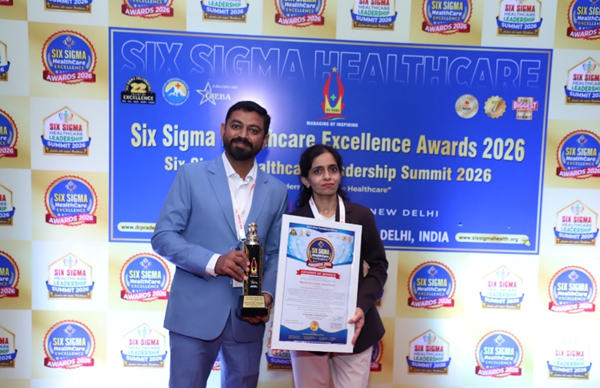
The SEVAK Project has received recognition from organizations including AAPI, GOPIO, WHEELS and several philanthropic foundations. In 2023, the initiative received a healthcare award from the Confederation of Indian Industry, followed by recognition this year from Six Sigma Healthcare in New Delhi for innovation in rural healthcare delivery.
The initiative is led by Dr. Thakor G. Patel, who continues to oversee the organization’s mission of expanding healthcare access for underserved communities.
For more information, organizers said the public can visit the project’s official website.