

Karachi [Pakistan], May 31 (ANI): The breakdown of essential municipal services, marked by a total collapse of the water supply alongside widespread gas and electricity outages, transformed the three-day festivities of Eid-ul-Adha into a severe crisis for millions of residents in Pakistan’s financial hub, Dawn reported.
Citizens were forced to endure intense heatwaves without the basic means to cook, bathe, or sustain themselves.
Across vast swathes of Karachi, dry taps, a drop in gas pressure, and prolonged power failures left local families distressed and furious.
The public backlash intensified against the city’s three primary utility providers over their failure to maintain services during the major festival when demand was at its peak.
The most crippling blow to the population came from the gas and power companies, which local residents accused of playing “hide and seek” with supply all day, completely contradicting the official claims of an “uninterrupted supply”.
According to Dawn, the regional gas utility insisted that it maintained consistent distribution throughout Eid-ul-Adha, yet households in multiple neighbourhoods reported a total absence of gas or unviably low pressure.
City residents flayed three utilities for failing to ensure uninterrupted supply during the Eid days.
Muhammad Asif, a resident of the Federal B Area, stated that the pressure was so minimal that they were unable to even boil water for tea, let alone cook any meat.
Expressing her frustration, North Karachi resident Farida Begum explained that she had to borrow a cylinder from her sister just to prepare a meal for her children.
“What kind of Eid is this?” she wondered.
Similarly, inhabitants of Saddar and surrounding areas noted that the lack of gas pressure made domestic cooking impossible.
“I had to take meat to a restaurant to get it cooked for my family, and they charged a hefty amount,” one resident remarked.
Defending its performance, a spokesperson for the Sui Southern Gas Company asserted that an uninterrupted gas supply was ensured during the three days of Eid and further claimed the utility received “no complaints” of suspension from any part of the city.
The spokesperson did acknowledge, however, that low pressure occurred in areas where the use of gas suction devices was rampant.
The city’s water infrastructure painted an equally bleak picture.
Dawn highlighted that while the Karachi Water and Sewerage Corporation claimed it had restored the routine 650 million gallons per day (MGD) supply on the eve of the festival, acute water shortages continued to plague several localities.
“We haven’t seen a drop in the past three days,” stated Saima Bibi, a resident of Landhi.
“We bought a tanker at PKR 8,000 just for Eid,” she added.
Another resident from the Saudabad area lamented that her children had been unable to bathe since Chand Raat.
“We celebrate Eid to share happiness. This year, we only shared suffering. This is Karachiites’ Eid,” she dejectedly said.
Identical grievances emerged from Malir, Gulshan-i-Iqbal, Gulistan-i-Jauhar, Liaquatabad, and the old city areas, where families found themselves entirely unable to source water for basic daily needs.
“We had qurbani meat lying in buckets for hours, but no water to wash it,” noted a resident of New Karachi, highlighting the unhygienic conditions forced upon citizens.
The electricity grid failed equally spectacularly, with widespread complaints of power outages pouring in from numerous districts.
Dawn reported that this occurred despite K-Electric maintaining that “no unannounced loadshedding was carried out in any part of the city”.
Riddled with systemic inefficiency, the grid provided no respite to citizens during the festive period.
“Power kept playing hide and seek on the first day of Eid, on top of the scheduled outages,” said Imran Khokhar, a resident of Hijrat Colony.
A resident from Lyari detailed the economic toll of the infrastructure failure, explaining that they had completed their ritual sacrifice in the morning, but by evening the meat was spoiling as the fridge got only six to eight hours of power throughout the day.
“Fans were dead. We sat sweating. That was our Eid,” he stated.
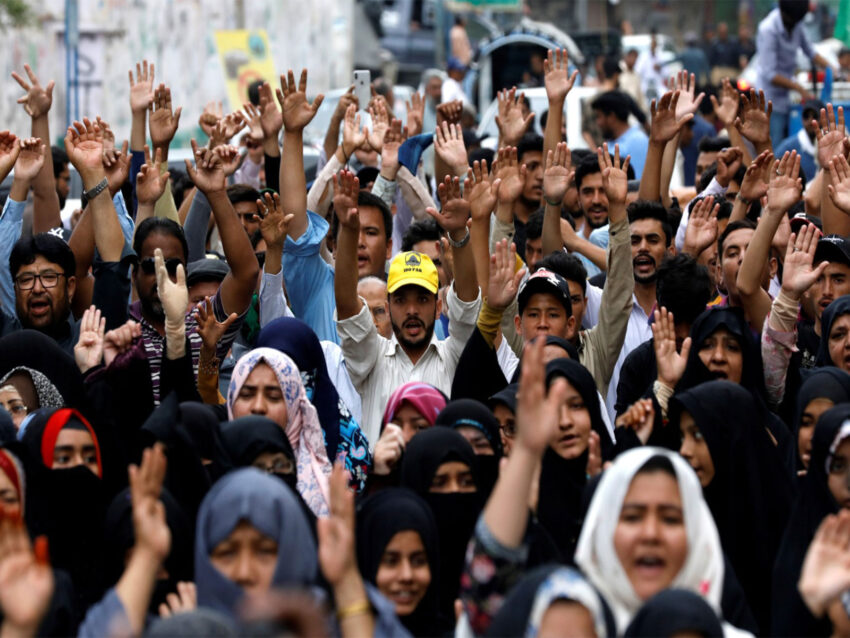
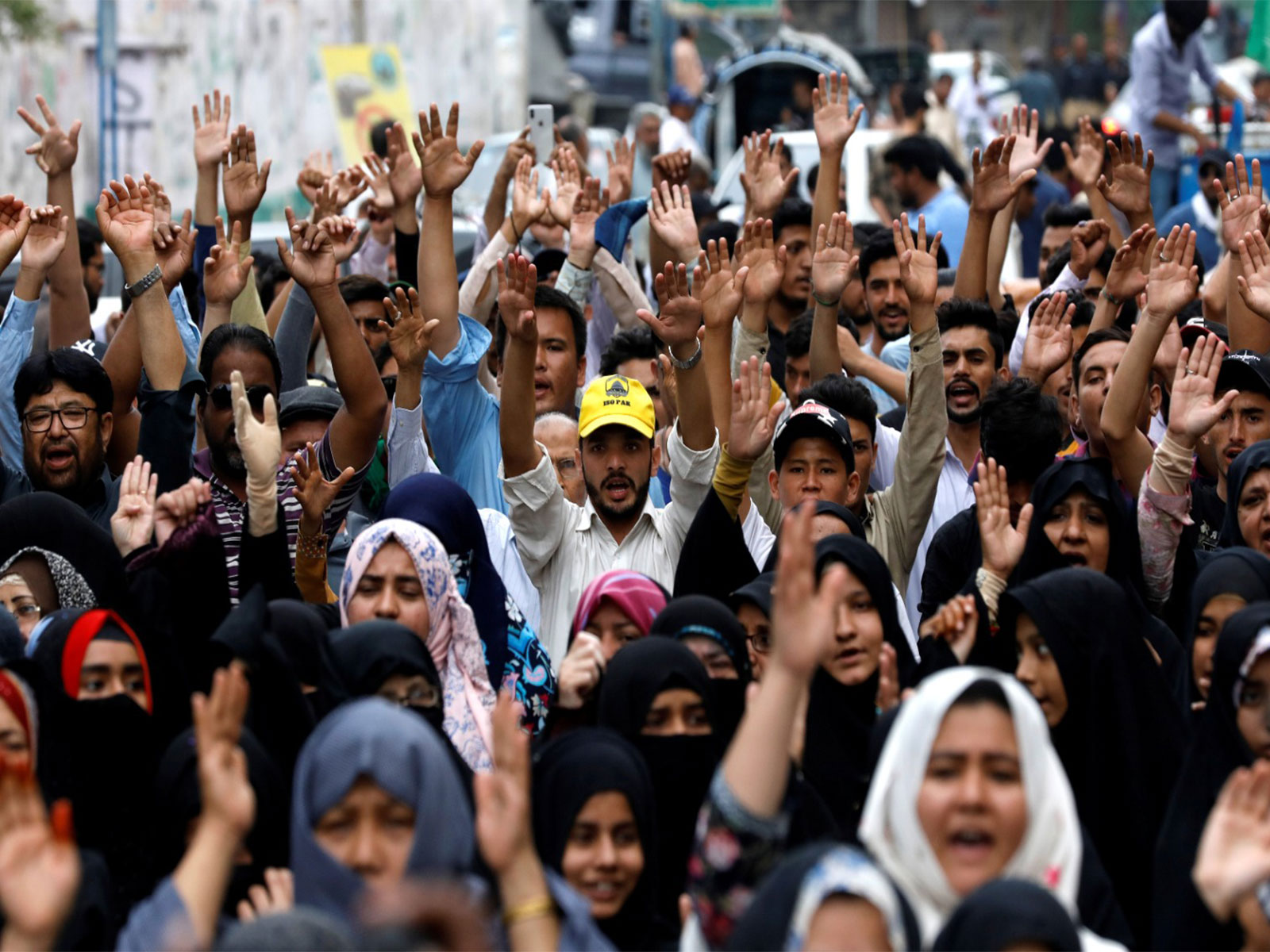
As public anger boiled over regarding the state’s failure to provide basic civic amenities, officials confirmed that residents in several areas took to the streets and blocked main roads in protest over prolonged outages during the Eid days. (ANI)