

Riyadh [Saudi Arabia], August 7 (ANI): Speculation over the emergence of deeper military cooperation among key Muslim-majority countries has intensified as Turkiye, Saudi Arabia and Pakistan are set to sign a joint defence agreement in Saudi Arabia on Friday, Reuters reported, citing two regional sources with direct knowledge of the development.
The reported agreement has fuelled speculation in strategic circles about the emergence of an “Islamic NATO”–an informal geopolitical concept widely used to describe a proposed military and defence alliance among major Muslim-majority nations.
Pakistan Defence Minister Khawaja Asif has previously indicated that the existing defence and economic cooperation framework between Pakistan and Saudi Arabia could expand to include countries such as Qatar and Turkiye, potentially creating a broader regional security arrangement.
During an interview with Pakistani media outlet Hum News in May, Asif had said discussions on the arrangement were at various stages of completion and could include these countries in the future.
Pakistan, last year, had already signed a “Strategic Mutual Defence Agreement” with Saudi Arabia, pledging that any aggression against either nation would be treated as an attack on both.
“The arrangement that has been finalised, or has been partially finalised, or is being finalised, is in process. This is an arrangement for the future, which obviously includes the present as well,” Asif said.
“And if this already existing pact between Saudi Arabia and Pakistan, if Qatar and Turkiye also join it, then it will be welcoming that such an economic and defence arrangement among countries comes to our region here so that dependence on outside the region is minimised,” he added.
The Pakistani Defence Minister had also emphasised that the proposed arrangement is not directed against any country but is aimed at enhancing regional stability and reducing external dependence.
“Dependence will remain in the world; there is a community, an international community in which all countries are linked economically and otherwise, but for peace in one’s own region, I think this pact is not against anyone, but it is very important to protect peace within our region,” he added.
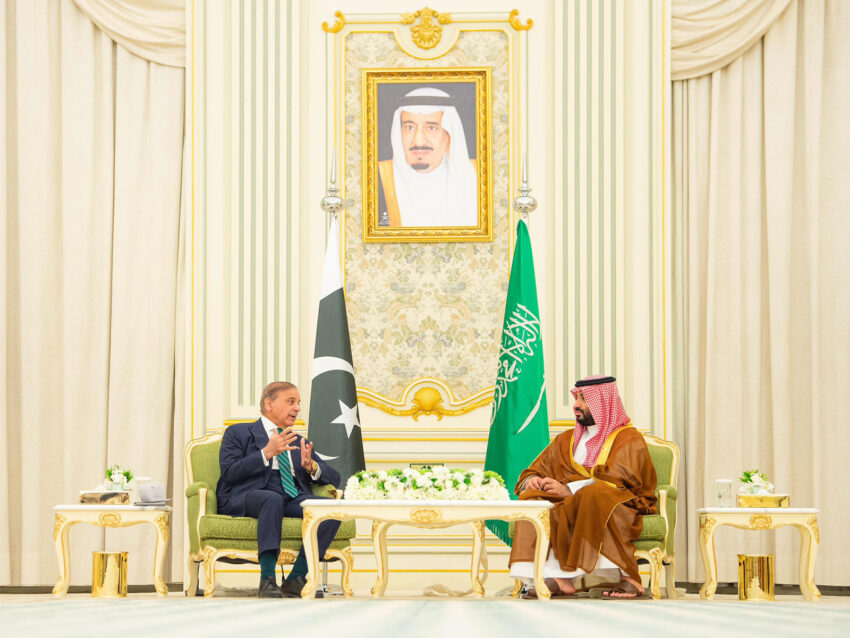
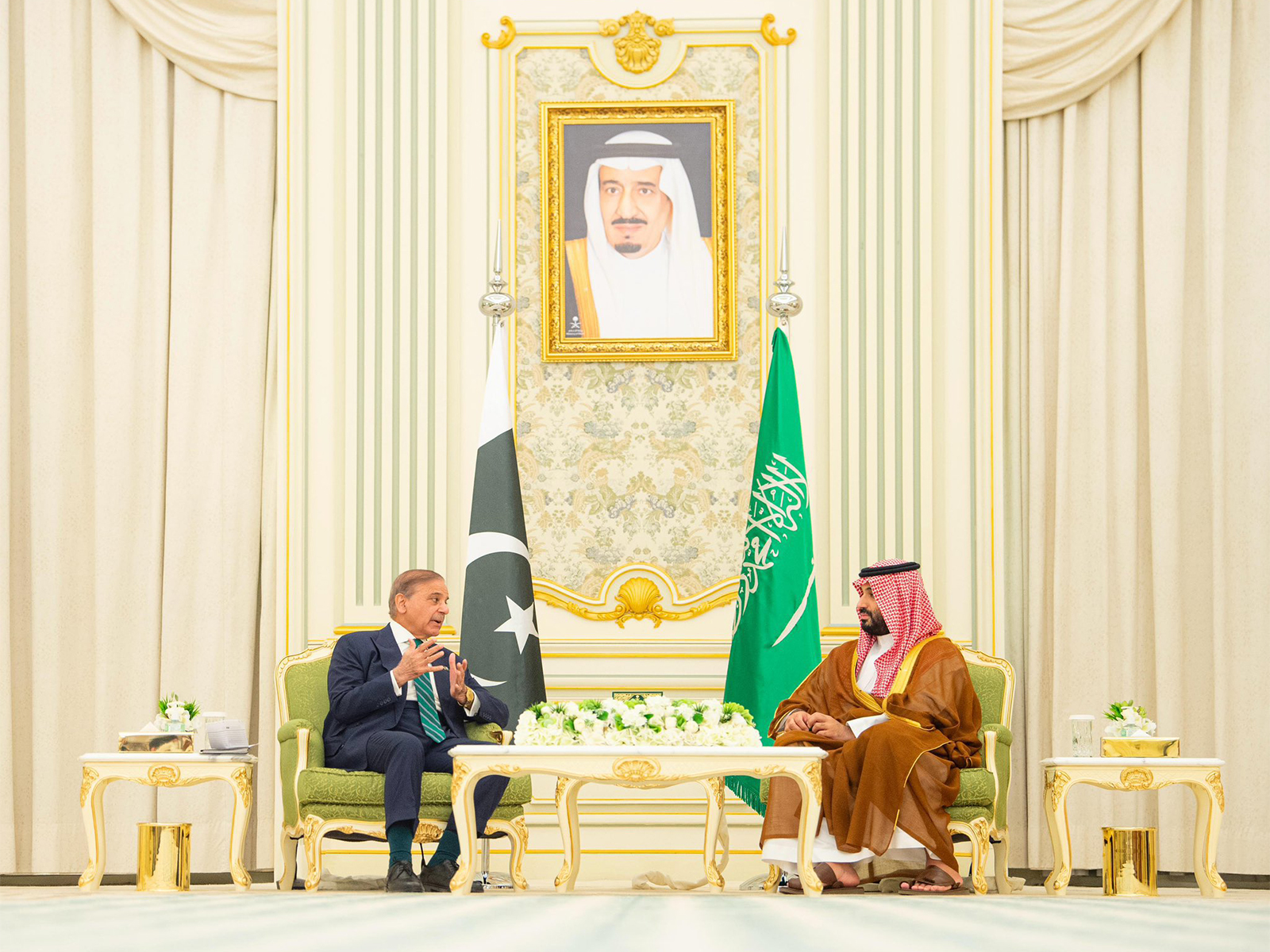
Last year, Pakistan and Saudi Arabia inked the defence pact during the state visit of Pakistan Prime Minister Shehbaz Sharif to Riyadh at the invitation of Crown Prince and Prime Minister of Saudi Arabia Mohammed bin Salman bin Abdulaziz Al Saud.
According to the joint statement issued following the visit, “building on the historic partnership extending for nearly eight decades between the Kingdom of Saudi Arabia and the Islamic Republic of Pakistan, and based on the bonds of brotherhood and Islamic solidarity, as well as shared strategic interests and close defence cooperation between the two countries, HRH the Crown Prince and the Pakistani prime minister signed a Strategic Mutual Defence Agreement.”
Following the agreement, India issued a response in the wake of the “Strategic Mutual Defence Agreement”, stating it will closely study the pact’s implications for India’s national security and regional and global stability.
In a statement issued by the Ministry of External Affairs (MEA), MEA Spokesperson Randhir Jaiswal stated that New Delhi acknowledges the formalisation of what it described as a “long-standing arrangement” between Saudi Arabia and Pakistan, while noting that it would closely examine its potential ramifications.
Jaiswal further emphasised that India’s national security remains paramount in light of this development.
“We have seen reports of the signing of a strategic mutual defence pact between Saudi Arabia and Pakistan. The Government was aware that this development, which formalises a long-standing arrangement between the two countries, had been under consideration. We will study the implications of this development for our national security as well as for regional and global stability. The Government remains committed to protecting India’s national interests and ensuring comprehensive national security in all domains,” the statement from the MEA read. (ANI)