

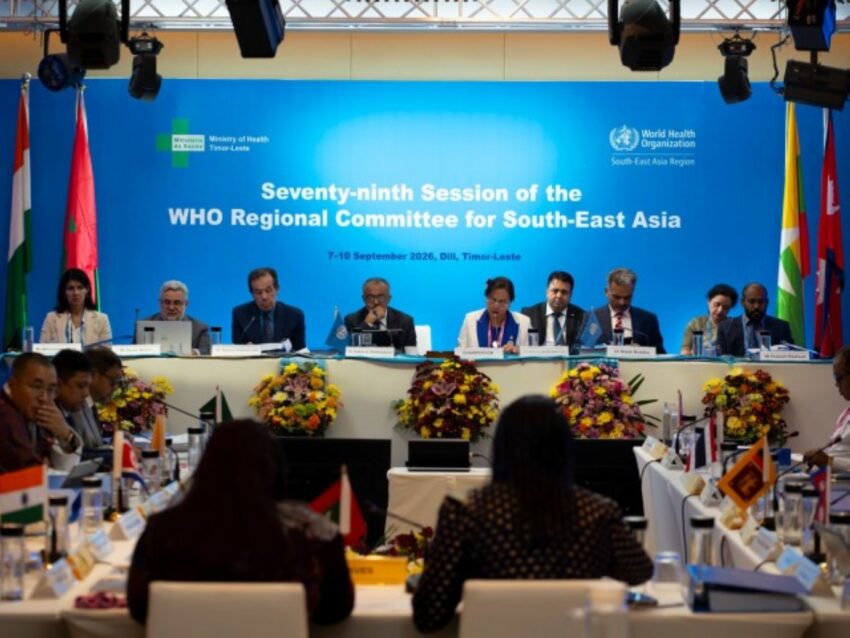
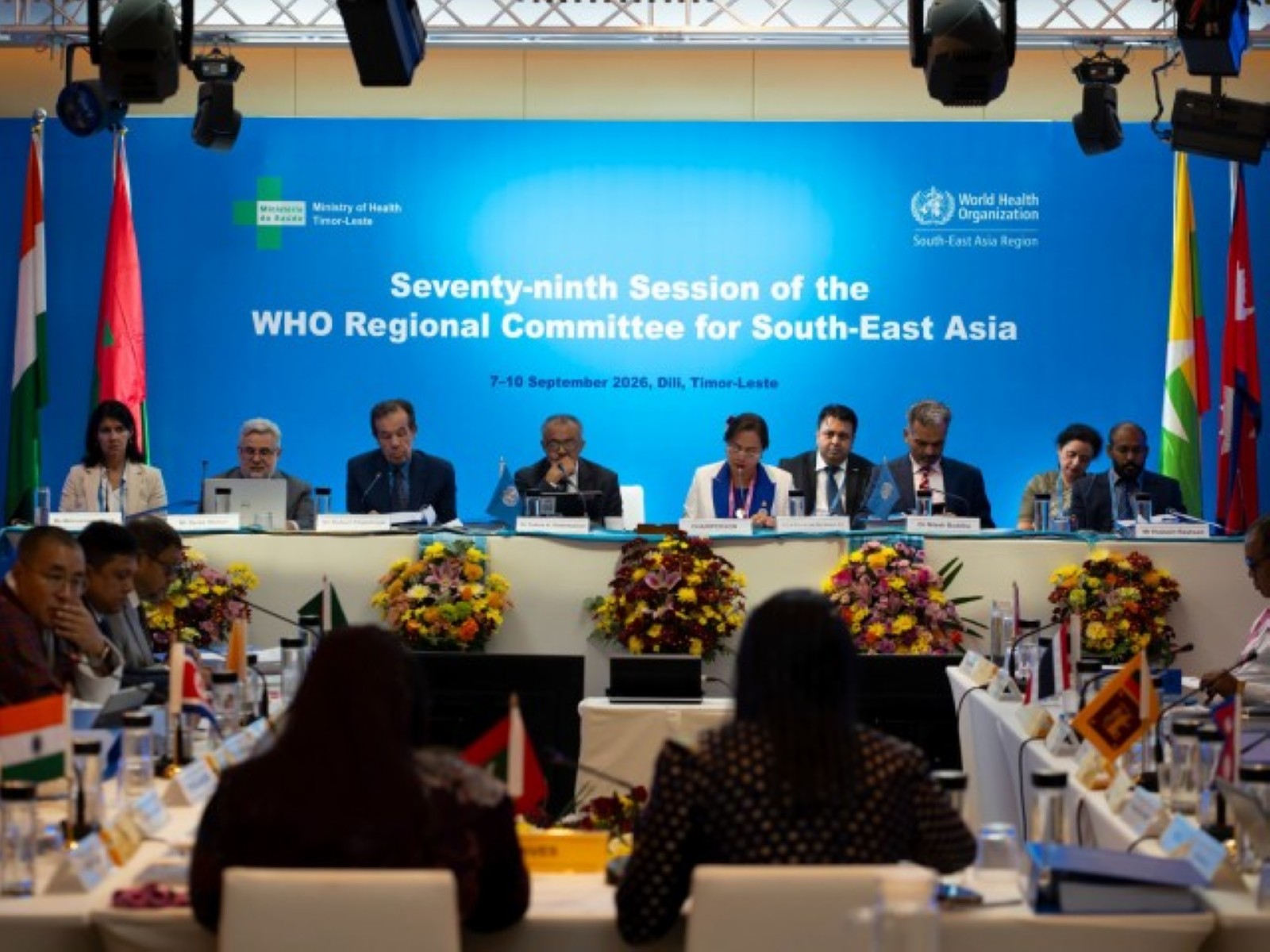
Dili [Timor-Leste], September 12 (ANI): Member States of the World Health Organisation (WHO) South-East Asia Region on Saturday committed to stronger and more integrated action to close critical gaps in the fight against tuberculosis (TB), with a focus on early diagnosis, wider access to prevention and treatment, financial protection for families and preparedness for new TB vaccines.
The commitment was made at the 79th Session of the WHO Regional Committee for South-East Asia.
“Tuberculosis is curable and preventable, yet it continues to take hundreds of thousands of lives in our Region every year and pushes families into poverty,” said Dr Nilesh Buddha, Officer-in-Charge, WHO South-East Asia Region.
“We have the tools to change this trajectory. What we need is to ensure that these tools reach everyone who needs them – earlier, equitably and as part of quality primary health care,” he added.
The WHO South-East Asia Region accounted for approximately 34 per cent of new TB cases globally in 2024, with an estimated 3.68 million cases and around 433,000 deaths. Around 150,000 people developed multidrug- and rifampicin-resistant TB, representing more than 38 per cent of the global burden.
Countries agreed to strengthen early and complete detection through routine services, systematic screening and active case finding among high-risk and underserved populations. They also committed to wider use of WHO-recommended rapid diagnostics, including molecular diagnostics and digital technologies where appropriate.
The countries further agreed to make TB care more people-centred by improving access to quality treatment for drug-resistant TB, nutritional and community-based support, and measures to address stigma, discrimination and social, financial and geographical barriers to care.
Prevention efforts will include expanding access to TB preventive treatment for eligible household contacts and other people at risk, strengthening infection prevention and control, and addressing risk factors including undernutrition, diabetes and tobacco use.
According to regional modelling, combining improved treatment and public-private engagement, rapid diagnostics, targeted prevention, active case finding and TB vaccines, when available, could significantly reduce TB incidence and mortality. Introducing a TB vaccine from 2028 alongside these interventions could avert around 1.45 million new TB cases and 300,000 deaths by 2030.
The Region has made progress since 2015, with treatment coverage exceeding 85 per cent and treatment success rates among the highest across WHO regions. TB incidence has fallen by 16 per cent, while deaths have declined by 23 per cent.
However, these gains remain insufficient to meet the End TB Strategy targets of an 80 per cent reduction in TB incidence and a 90 per cent reduction in deaths by 2030 compared with 2015.
The financial burden also remains significant, with nearly 44 per cent of TB-affected households facing catastrophic costs, rising to more than 80 per cent among households affected by drug-resistant TB. In 2024, around USD 900 million was available for the regional TB response against an estimated requirement of approximately USD 3 billion.
Member States also called for stronger integration of TB services into primary healthcare and universal health coverage, along with greater regional cooperation, cross-border referral and continuity of care for mobile and migrant populations.
They also stressed the importance of innovation, digital health, operational research, voluntary technology transfer and stronger use of subnational data to target interventions.
“Ending tuberculosis will require stronger regional solidarity and action across health systems, community systems, and beyond,” Buddha said. “By putting equity at the centre, investing in sustainable responses, embracing innovation and ensuring that no one is left behind, we can close the gaps that continue to stand between us and the goal of ending TB by 2030.” (ANI)