


Geneva [Switzerland], May 8 (ANI): The World Health Organization (WHO) has confirmed five instances of hantavirus linked to fatalities on a cruise vessel currently navigating the Atlantic Ocean.
In addition to the confirmed cases, three further individuals are suspected of carrying the Andes strain of the virus. Despite the severity of the situation, the global health body maintains that while more infections could emerge, the broader risk to public health remains minimal.
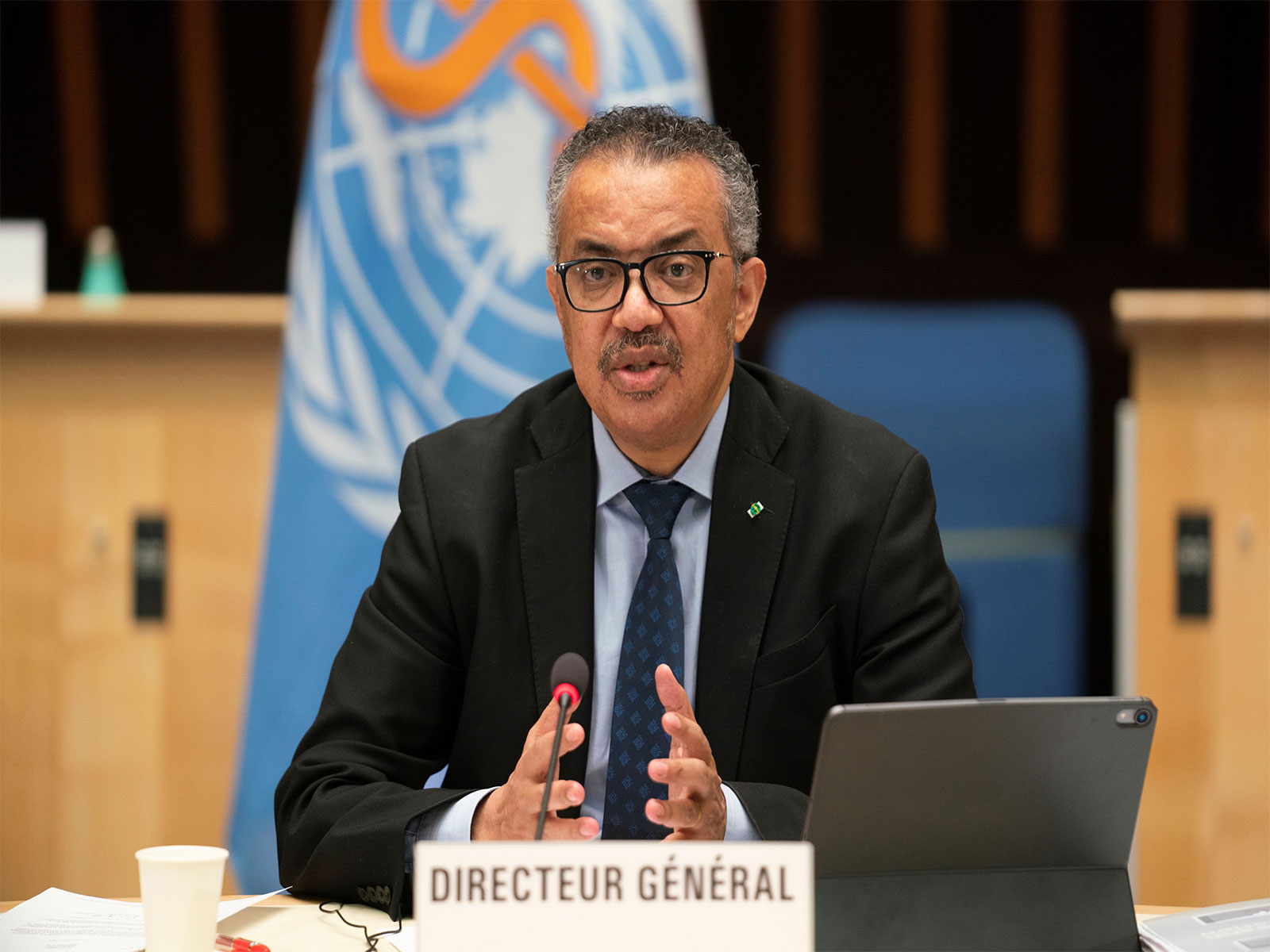
Addressing a press briefing on Thursday, WHO Director-General Tedros Adhanom Ghebreyesus revealed that the United Kingdom had alerted the agency to a cluster of passengers suffering from acute respiratory distress aboard the Dutch-flagged ship, the Hondius. The vessel is currently en route from Cape Verde to Tenerife, Spain.
“While this is a serious incident, WHO assesses the public health risk as low,” Ghebreyesus informed journalists. He detailed the current toll, noting that eight cases have surfaced to date, “including three dead, five confirmed, and three suspected.”
Hantaviruses are typically transmitted to humans through direct contact with infected rodents or their waste. However, the Andes strain identified in this outbreak is unique for its ability to spread between humans, a phenomenon previously restricted to close or prolonged contact between family members or medical staff.
The timeline of the outbreak traces back to a male passenger who first showed symptoms on April 6 and passed away five days later. The WHO chief explained that the initial death went unattributed to hantavirus as no samples were collected and the symptoms mirrored other viral infections. The man’s wife became the second fatality after falling ill and dying on April 25 in Saint Helena. A third woman succumbed to the virus on May 2, a week after her symptoms first appeared.
Ghebreyesus warned that the window for new cases remains open, stating, “Given the incubation period of the hantavirus, which can be up to six weeks, it is possible that more cases may be reported.”
Investigations indicate that the first two victims had participated in a bird-watching expedition across Chile, Argentina, and Uruguay prior to boarding. These locations are known habitats for the specific rodents that carry the virus. In response, Argentine authorities are tracing the couple’s itinerary, and Tedros confirmed that Argentina is distributing 2,500 diagnostic kits to laboratories across five different nations.
The WHO has issued notifications to 12 countries whose citizens disembarked at Saint Helena, including the UK, the United States, Canada, Germany, and Singapore, among others. (ANI)