

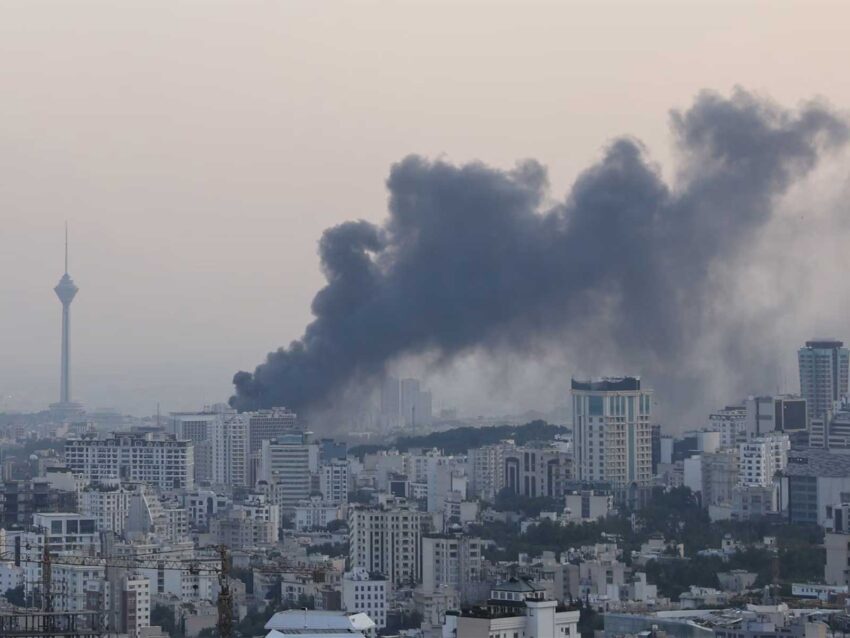
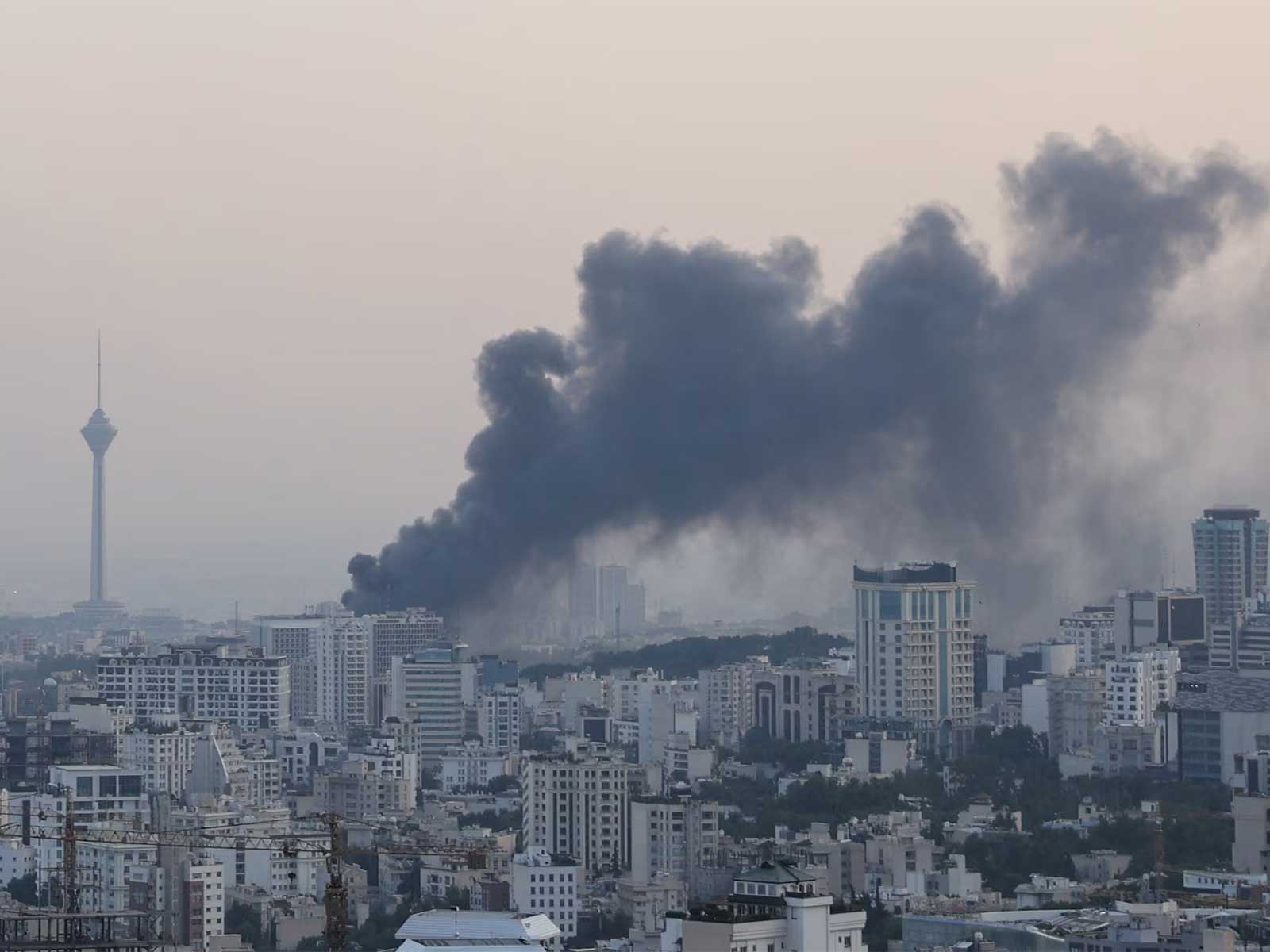
Tehran [Iran], July 20 (ANI): US strikes targeted the town of Khormoj in southwestern Iran, causing power outages across sections of the administrative centre of Dashti County in Bushehr province, Iran’s semi-official Tasnim news agency reported, citing a local official.
The targeted region lies along the country’s Gulf coast, situated near the strategic Strait of Hormuz. The locality has previously been subjected to American military action intended to degrade the naval and missile assets maintained by Tehran in the area.
According to reports, the impacted zone houses military facilities linked to the Islamic Revolutionary Guard Corps naval forces. The kinetic action resulted in immediate disruptions to the electricity grid within parts of Khormoj.
These local actions formed part of a broader escalation on Monday, as US forces launched fresh military operations against Iran for a ninth day in a row.
The US Central Command confirmed it had initiated “a new wave of strikes” with the specific objective of “degrading” Tehran’s capability to intercept commercial cargo vessels operating along the critical maritime corridors of the strait.
While the American military command did not disclose specific operational particulars, Tasnim news agency, relying on accounts from its correspondents, reported that US projectiles also impacted multiple other urban areas early on Monday morning, with detonations detected in Tabriz, Chabahar, Konarak, Bandar Mahshahr, and Bandar Imam Khomeini.
This relentless aerial campaign comes amid a rise in verified American military deaths during the latest round of hostilities, which prompted a direct political reaction from Washington.
Addressing media representatives upon his return from the FIFA World Cup final, Donald Trump stated, “We hit them very hard again tonight, and we did it in honour of” the American service personnel who have lost their lives since Friday.
Detailing those latest fatalities, the US military disclosed that a service member lost their life on Saturday in northern Iraq during the neutralisation of what the Central Command termed unexploded ordnance discovered on a downed Iranian strike drone.
The announcement follows disclosures made earlier in the weekend confirming the deaths of two service personnel in Jordan, alongside another individual who remains missing in action.
Central Command noted that “unidentified remains” had been retrieved from the location of the Friday assault and that “an examination process to verify the remains is ongoing”.
These updates push the aggregate number of US military fatalities since the outbreak of hostilities to 17, with over 420 other personnel sustaining injuries.
In direct response to the escalating American offensive, the Islamic Revolutionary Guard Corps of Iran proclaimed that it had carried out a pre-emptive strike targeting “the enemy’s special operations headquarters in Syria’s Al-Tanf area”.
This follows an earlier unmanned aerial vehicle strike executed by Tehran against US military assets and hardware stationed at the Al-Adiri camp and the Ali Al Salem Air Base in Kuwait, both of which had been targeted previously as part of Iran’s wider campaign against American infrastructure and regional allies in the Gulf.
The spillover of these hostilities heavily impacted regional allies, with the government of Kuwait announcing that a water desalination facility had been struck for a second consecutive day, sparking a blaze in what officials characterised as a deliberate assault on essential civilian infrastructure.
The persistent friction has severely heightened anxieties surrounding maritime transit through the Strait of Hormuz, causing immediate ripples across global energy markets.
The Royal Navy’s United Kingdom Maritime Trade Operations reported late on Sunday that it had received a report that a vessel was on fire in proximity to the coast of Oman, though an official determination regarding the source of the fire has not yet been established.
Concurrently, oil prices escalated by 3 per cent on Monday, driving Brent crude futures past USD 90 per barrel, marking the peak value observed since June 11.
As the conflict deepens, security alerts are expanding across the region, with the US Embassy in Bahrain issuing a precautionary advisory stating that it possessed intelligence indicating that Iran could potentially target undisclosed sites within the capital city of Manama.
The embassy subsequently advised American citizens in the area to maintain high situational awareness.
The tactical exchanges have reached this high intensity following the collapse of a short-term ceasefire framework formalised a month ago, deepening a struggle for control of the strategic shipping lanes.
The broader geopolitical confrontation originally commenced on February 28 following joint US and Israeli military actions against Iran aimed at neutralising Tehran’s nuclear and missile infrastructure while diminishing its regional proxy groups, an escalation that has already resulted in thousands of fatalities, predominantly across Iran and Lebanon, alongside significant disruptions to global energy systems and heightened inflation anxieties. (ANI)