

New Delhi [India], November 24 (ANI): Union Minister of Textiles Giriraj Singh reviewed key textile and sericulture initiatives in Tamil Nadu on November 23 and 24, 2026, focusing on weaver welfare, product diversification, and export promotion.
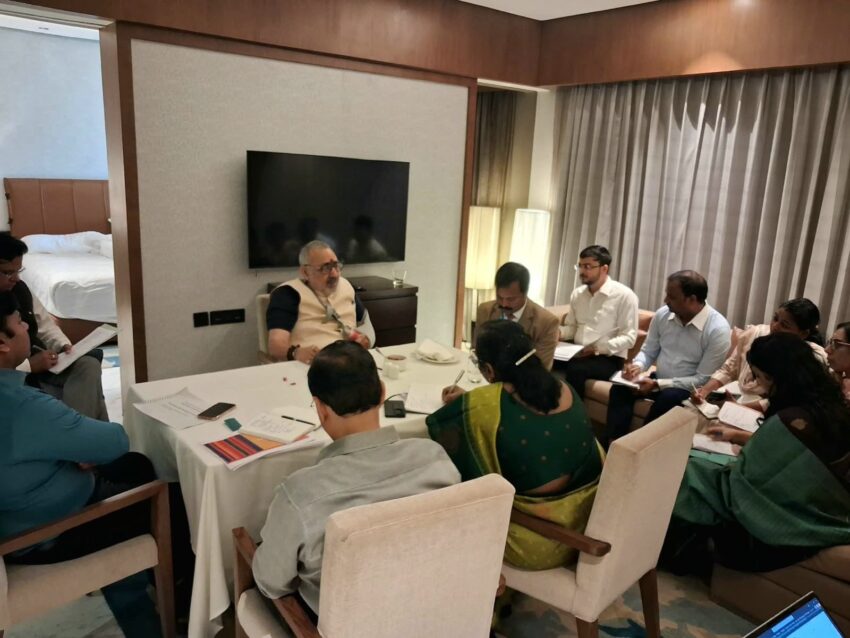
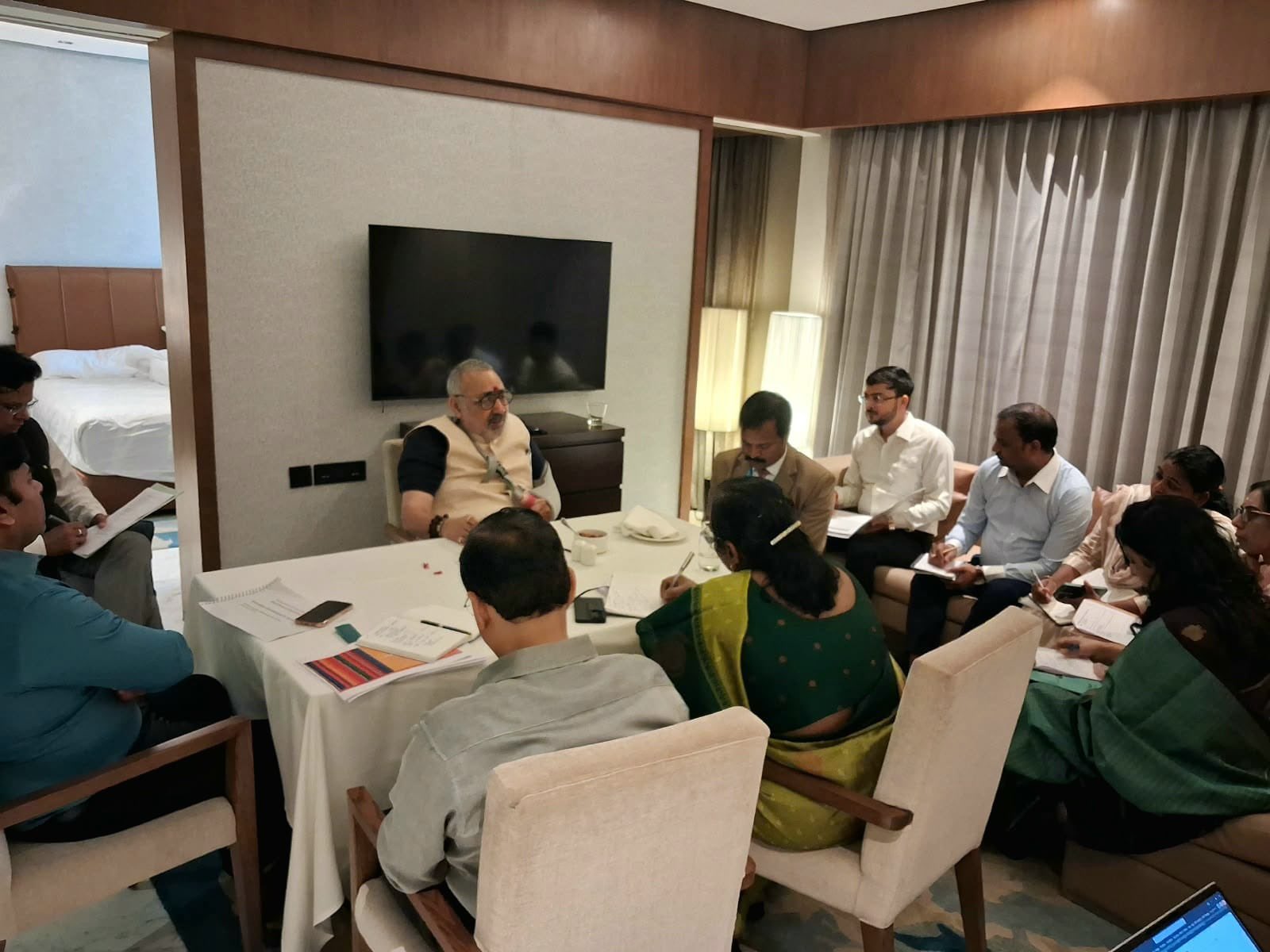
Singh chaired a review meeting in Chennai on November 24 with senior Central and State Government officials from the handloom sector, Central Silk Board, and PM MITRA Park, alongside industry representatives.
During the session, officials evaluated the progress of the PM MITRA Park at Virudhunagar and explored ways to diversify silk products in Kanchipuram. The discussions also covered methods to enhance weavers’ income, promote new-age fibres, and replicate the Kanchipuram cluster model across other textile segments.
The Minister underscored the necessity for a coordinated approach to boost textile exports and strengthen India’s competitiveness in international markets. He reiterated the Government’s commitment to the sector, stressing the importance of providing better opportunities, improved facilities, and necessary support to weavers, artisans, and stakeholders across Tamil Nadu, including Chennai.
Senior bureaucrats attended the Chennai review, including Tamil Nadu Handlooms, Handicrafts, Textiles and Khadi Department Secretary R. Lilly, Director of Sericulture R. Sadheesh, SIPCOT Managing Director S. A. Raman, and Director of Handlooms P. Uma Maheswari.
From the Central Government, Ministry of Textiles Additional Development Commissioner (Handlooms) Swayamprava Pani, Director (Infrastructure) Anil Kumar, and Central Silk Board Member Secretary P. Sivakumar participated in the deliberations.
Prior to the review meeting, on November 23, Singh inaugurated the 27th International Congress on Sericulture and Silk Industry (ISCC-2026) and the Silk Mark Expo 2026 in Chennai. He later travelled to Kanchipuram to visit the Perarignar Anna Handloom Silk Park. There, the Minister inspected handloom units, viewed silk products from Prakash Silks and Sarees, and interacted with weavers and the Board of Directors to assess project progress and available community facilities.
Singh highlighted that improved infrastructure and enhanced market access remained vital to raising weavers’ earnings and advancing Kanchipuram’s silk heritage.
Singh also visited the Central Silk Board’s Regional Silk Technological Research Station (RSTRS) at Sirukaberipakkam in Kanchipuram. He inspected the zari testing facilities at the CSB Testing Centre and received briefings on initiatives aimed at upgrading quality assurance and technical standards within the silk and zari industries.
Additionally, the Minister planted saplings on the Central Silk Board premises under the ‘Ek Ped Maa Ke Naam’ campaign to underscore environmental conservation and sustainable development. The engagements aligned with the broader vision of Aatmanirbhar Bharat and Viksit Bharat by reinforcing India’s textile value chain through infrastructure, research, industrial investment, and market expansion. (ANI)