


WASHINGTON/NEW DELHI (Reuters) -U.S. President Donald Trump on Wednesday imposed an additional 25% tariff on Indian goods, citing New Delhi’s continued imports of Russian oil in a move that sharply escalated tensions between the two nations after trade talks reached a deadlock.
The new import tax, effective 21 days after August 7, will raise duties on some Indian exports to as high as 50% – among the highest levied on any U.S. trading partner.
Trump’s executive order imposing the extra tariff did not mention China, which also imports Russian oil, but later said he could announce similar further tariffs on Chinese goods.
“It may happen … I can’t tell you yet,” Trump told reporters. “We did it with India. We’re doing it probably with a couple of others. One of them could be China.”
ADVERTISEMENT

Analysts said Trump’s move marks the most serious downturn in U.S.-India relations since his return to office in January. The tariffs threaten to disrupt India’s access to its largest export market, where shipments totalled nearly $87 billion in 2024, hitting sectors like textiles, footwear, gems and jewelry.
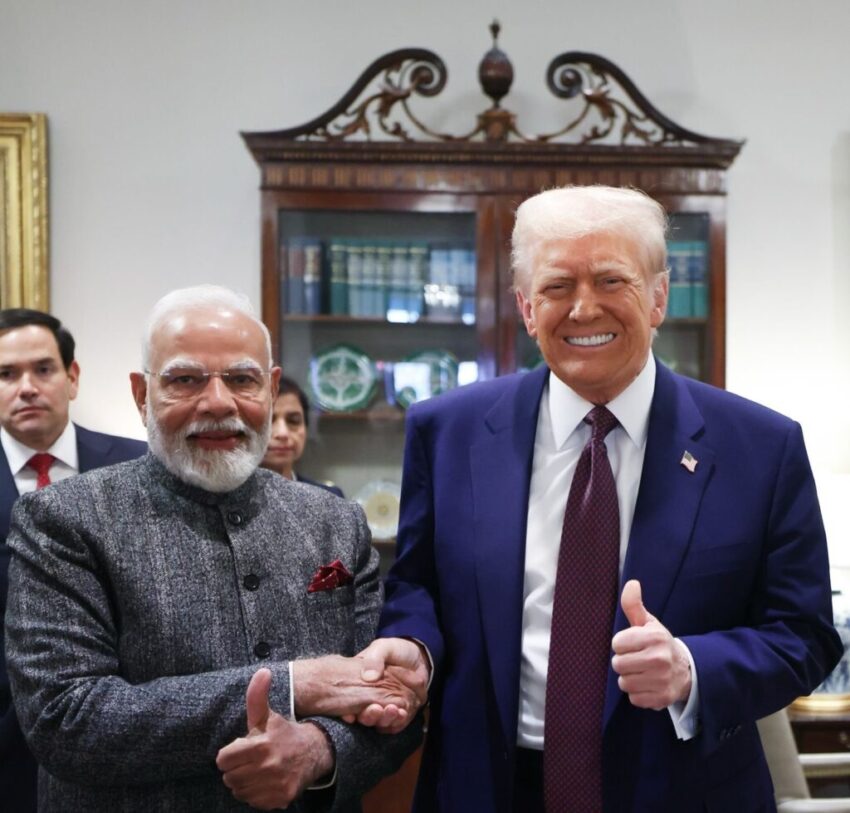
It also marks a shift from the warm ties seen during Trump and Modi’s February meeting, they said, pointing out Trump’s recent remarks calling India’s economy “dead”, its trade barriers “obnoxious” and accusing the country of profiting from cheap Russian oil while ignoring the killings of Ukrainians in Russia’s three-and-a-half-year-old invasion of its neighbour.
India’s external affairs ministry called the decision “extremely unfortunate,” noting that many other countries are also importing Russian oil in their national economic interest.
“India will take all necessary steps to protect its national interests,” it said, adding that purchases were driven by market factors and the energy needs of India’s 1.4 billion people.
The development comes as Indian Prime Minister Narendra Modi prepares for his first visit to China in over seven years, suggesting a potential realignment in alliances as relations with Washington fray.
Oil prices edged up about 1% on Wednesday after falling to a five-week low in the prior session after Trump penalised India for buying Russian oil and in light of a larger-than-expected U.S. crude storage draw last week.
Last week, U.S. Treasury Secretary Scott Bessent warned China that continued Russian oil purchases could trigger new tariffs, as Washington prepares for the expiry of a U.S.-China tariff ceasefire on August 12.
BLOW TO INDIAN EXPORTS
Trade between the United States and India – the world’s biggest and fifth-largest economies respectively – is worth over $190 billion.
Exporters and trade analysts warn that the tariffs – which Trump casts as a driver to reduce U.S. trade deficits and reinvigorate domestic manufacturing – could severely disrupt Indian exports.
“This is a severe setback. Nearly 55% of our shipments to the U.S. will be affected,” said S.C. Ralhan, president of the Federation of Indian Export Organisations.
The increased duties place Indian exporters at a 30–35% disadvantage versus trade rivals in Vietnam, Bangladesh and Japan.
“With such obnoxious tariff rates, trade between the two nations would be practically dead,” said Madhavi Arora, economist at Emkay Global.
Indian officials acknowledged pressure to return to negotiations with the Trump administration. A phased cut in Russian oil imports and diversification could be a part of the compromise.
“We still have a window,” said a senior Indian official, requesting anonymity. “The fact that the new tariffs take effect in 21 days signals the White House is open to talks.”
Another official said there were no immediate plans for Modi or senior leaders to travel to Washington, nor were any retaliatory measures being considered.
Instead, the government is weighing relief for exporters, including interest subsidies and loan guarantees.
A sharp drop in U.S.-bound shipments could drag India’s GDP growth below 6% this year, down from the central bank’s 6.5% forecast, said Sakshi Gupta of HDFC Bank.
India’s rupee weakened in offshore non-deliverable forwards market while stock futures fell marginally after the announcement.
“While markets have already started pricing in the risk of a sharp tariff hike, a near-term knee-jerk reaction is inevitable unless there’s swift clarity or a breakthrough in negotiations,” said Mayuresh Joshi, head of equity research for India at Willian O’ Neil.
Trump’s move follows five rounds of inconclusive trade talks, which stalled over U.S. demands for wider access to Indian agriculture and dairy markets. India’s refusal to cut Russian oil imports – which hit a record $52 billion last year – ultimately triggered the tariff escalation.
U.S. and Indian officials told Reuters a mix of political misjudgement, missed signals and bitterness scuttled trade deal negotiations between the world’s biggest and fifth-largest economies, whose bilateral trade is worth over $190 billion.