

Shimla (Himachal Pradesh) [India], August 12 (ANI): More than 50 members of the Tibetan community in exile concluded a 24-hour hunger strike in Himachal Pradesh’s capital, Shimla, on Wednesday, protesting against China’s policies in Tibet and paying tribute to “Tibetan independence activist” Lobga Rangzen, who reportedly died “after self-immolation” outside the United Nations headquarters in New York last month.
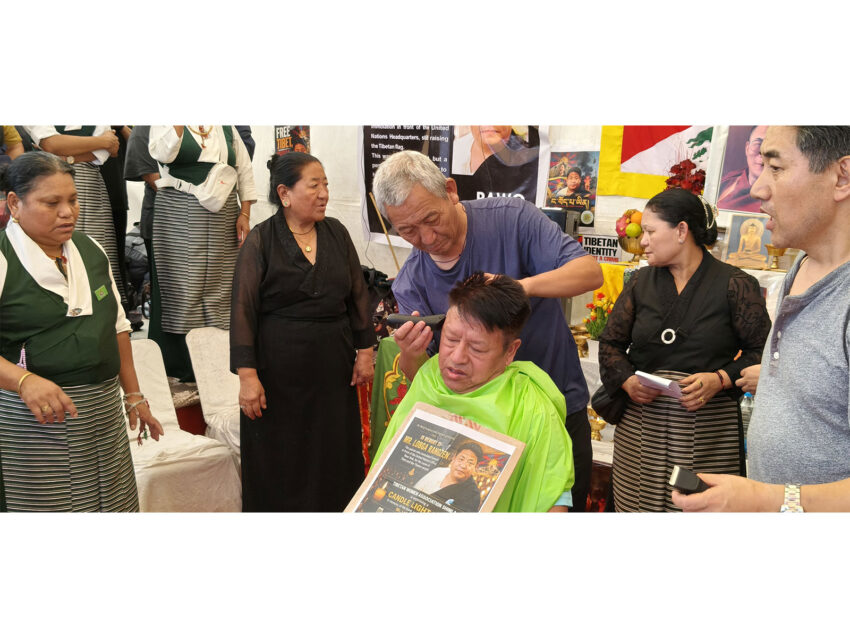
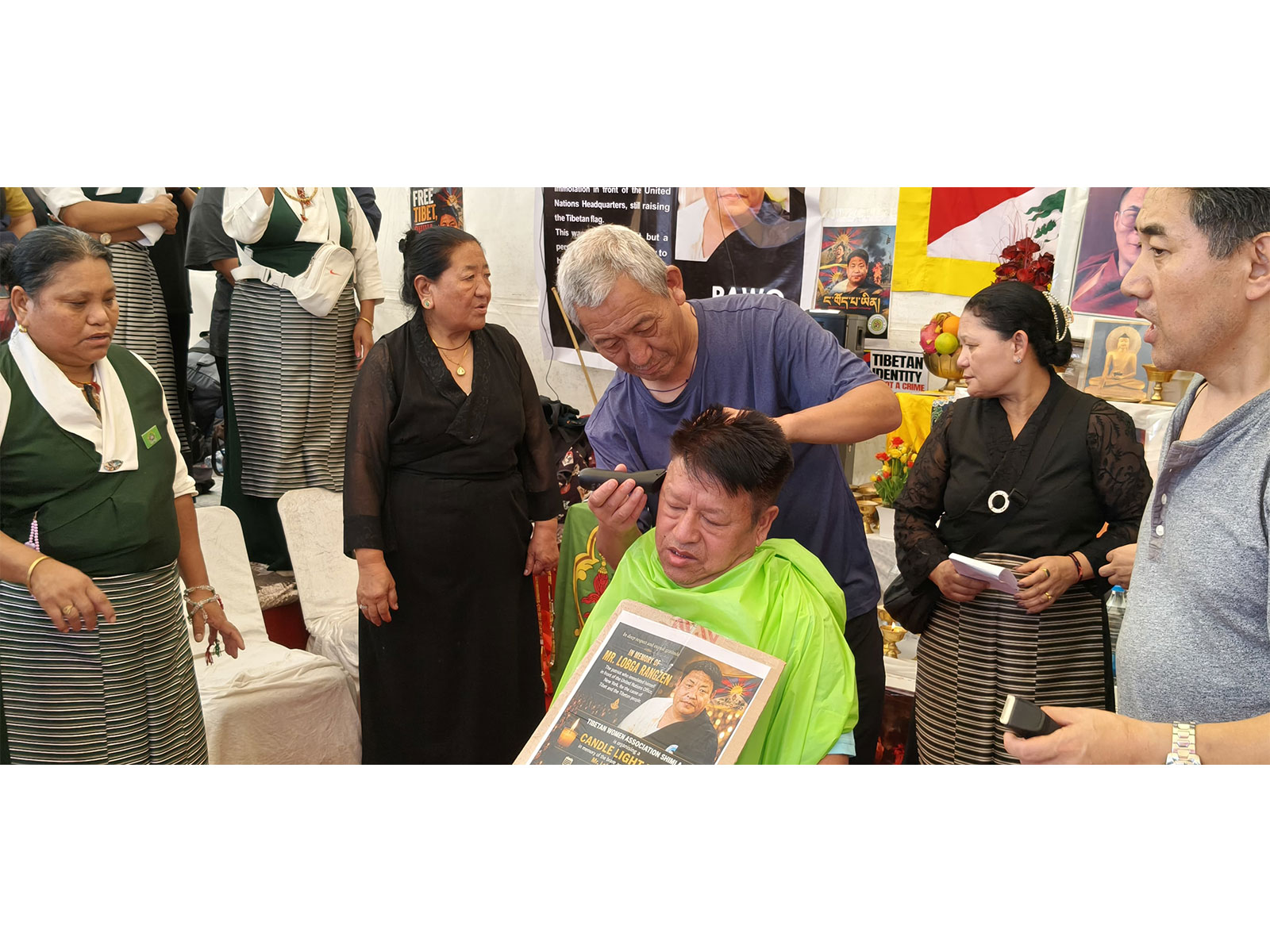
The hunger strike, organised by the Tibetan Women’s Association, began at 4 pm on Tuesday and concluded at 4 pm on Wednesday. As part of the protest, participants also carried out a mass head-shaving ceremony, describing it as an expression of solidarity with Rangzen and a symbolic protest against what they described as China’s attempts to suppress Tibetan identity, culture, and political aspirations.
The protesters said the demonstration was held in response to China’s newly implemented Ethnic Unity and Progress Law, which Tibetan groups have criticised as a tool of assimilation and the erosion of Tibetan identity.
Lobga Rangzen died on July 2 after setting himself on fire outside the UN headquarters in New York. Tibetan organisations said he was protesting China’s policies in Tibet and calling for Tibetan independence. Reuters reported that New York police confirmed a man had died from severe burns, while Tibetan activists identified him as Rangzen.
Speaking to ANI, Tibetan protester Dorjee Gyaltsen said the hunger strike was organised to draw attention to what the protesters described as China’s “Ethnic Unity Law” and to honour Rangzen.
“Our Tibetan brother, Lobga Rangzen, self-immolated in front of the United Nations in protest against this law. We have shaved our heads as a tribute to him,” Gyaltsen said.
He appealed to the United Nations to pay greater attention to the Tibetan issue, alleging that the global body had not done enough to address the concerns of Tibetans.
“We want the United Nations to look towards us as well. The UN was established to look after the whole world, but we feel that it is not speaking about Tibet,” he said.
Gyaltsen said Rangzen’s action outside the UN was intended to draw international attention to Tibet.
“China is such a powerful country that the United Nations is unable to speak against it. This is why Lobga Rangzen carried out the self-immolation in front of the UN on July 2 — to awaken people and send a message to the world that the international community and the United Nations should also look towards Tibet,” he said.
He also expressed gratitude towards India for hosting and supporting the Tibetan community in exile, while urging the Indian government to speak against China’s policies in Tibet.
“India has supported us very well. We have lived in India for so many years, and we can never repay the debt we owe to India,” Gyaltsen said.
“But now that this law has been introduced in Tibet, we want the Indian government to say something against it. This law, in our view, has been made by China to completely erase Tibet. It should be withdrawn,” he added.
Another Tibetan activist, Sonam Wangchuk, said the protesters were demanding freedom for Tibet and appealing to both the United Nations and the Government of India to support their cause.
“We have protested against China for taking away our country. Our demand is that we want to appeal to the United Nations and to the Government of India, particularly our respected Prime Minister Narendra Modi, that our country should be freed as soon as possible,” Wangchuk said.
He said the head-shaving was carried out in stages during the protest and was intended as a symbolic demonstration against China.
“We shaved our heads earlier in the morning, and then another head-shaving was carried out at 3 pm. We did this as a protest against China and as part of the procession,” Wangchuk said.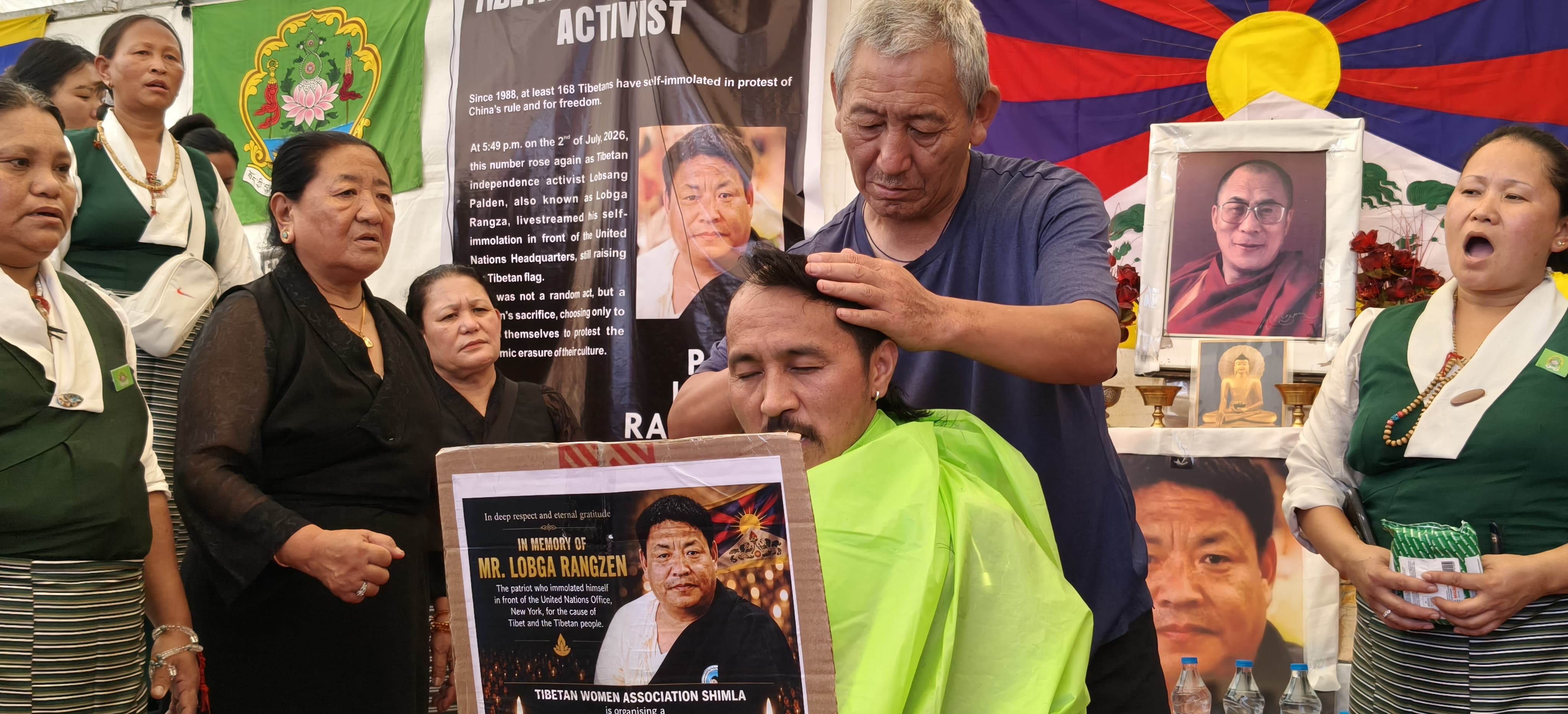
Wangchuk reiterated the protesters’ demand that Tibetans should be able to return to their homeland.
“Our demand from the UN is the same as before: that our country should be freed as soon as possible and that we should be able to return happily to our homeland,” he said.
He also said the protesters wanted the Indian government to raise the Tibetan issue.
“We are also making the same demand from the Government of India: we have demanded this before, and we are demanding it again that our country should be freed as soon as possible,” he said.
Explaining the reason for the hunger strike, Wangchuk alleged that Tibetans were facing “torture, killings and murders” and expressed concern over what he described as efforts to alter the social and cultural identity of Tibetans.
“The reason for the hunger strike is that there is a lot of torture, killings, and murders in our country, Tibet,” he said.
He further alleged that China was seeking to encourage intermarriage involving Tibetan children and Chinese people, a claim that he strongly opposed.
“It does not end there. China also wants our children to be married to Chinese people. This is not acceptable to us. We want our people to marry Tibetans and live with their own Tibetan community,” Wangchuk said.
The Tibetan Women’s Association-led hunger strike ended peacefully in Shimla on Wednesday, with protesters reiterating their call for greater international attention to Tibet and urging India and the United Nations to take up their concerns. (ANI)