

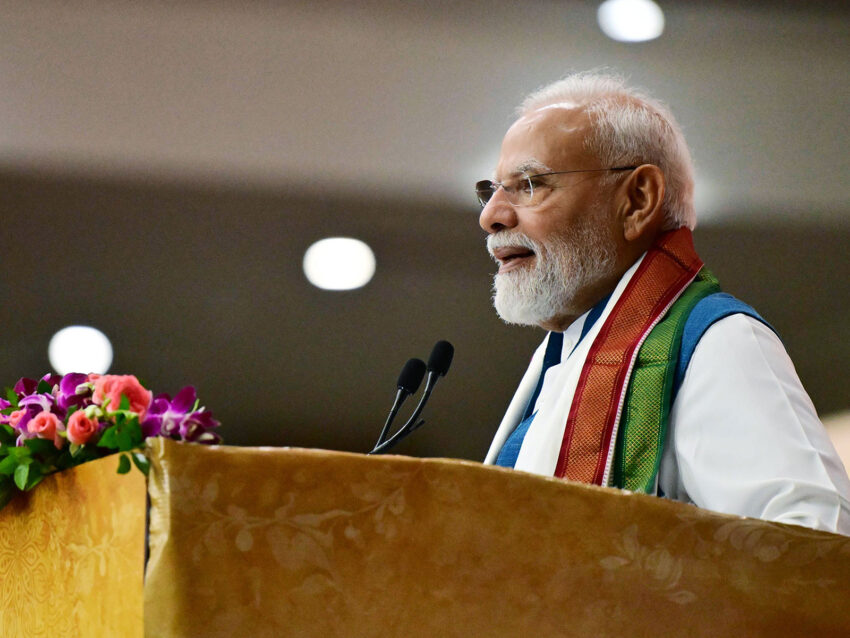
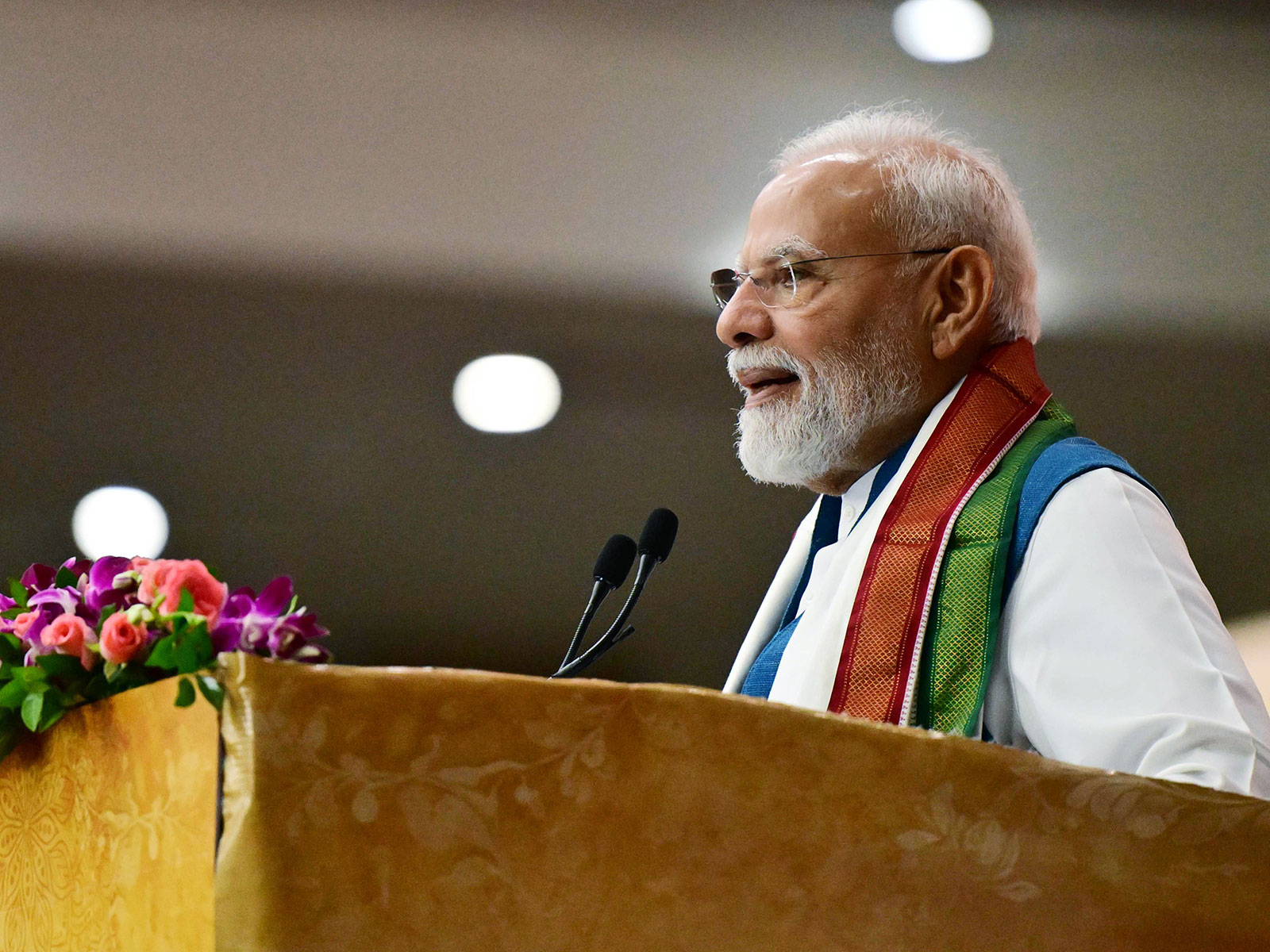
New Delhi [India], October 16 (ANI): Prime Minister Narendra Modi on Friday extended greetings on the sixth day of Sharad Navratri and offered prayers to Maa Katyayani, seeking strength, courage and positive energy for everyone.
In a post on X, PM Modi wrote, “On the sacred sixth day of Navratri, countless salutations at the holy feet of Maa Katyayani! My heartfelt wish is that through Her grace, boundless strength, courage, and positive energy infuse every life.”
नवरात्रि की पवित्र षष्ठी पर मां कात्यायनी के श्रीचरणों में कोटि-कोटि नमन! मेरी कामना है कि उनकी अनुकंपा से हर किसी के जीवन में असीम शक्ति, साहस और सकारात्मक ऊर्जा का संचार हो। https://t.co/7yJ9kB2MQy
— Narendra Modi (@narendramodi) October 16, 2026
ADVERTISEMENT

The sixth day of Navratri is dedicated to the worship of Maa Katyayani, one of the nine forms of Goddess Durga. She is revered as a symbol of Shakti, courage, and determination.
According to Hindu mythology, Lord Brahma, Vishnu, and Shiva combined their powers to create Goddess Katyayani. Also known as Mahishasurmardini, Maa Katyayani killed the demon Mahishasura. She is regarded as one of the most violent forms of Maa Durga. She is four-armed and rides a lion.
Navratri, which means ‘nine nights’ in Sanskrit, is dedicated to the worship of Goddess Durga and her nine avatars, known as Navdurga. The festival is celebrated with great devotion across India, with rituals and prayers honouring the goddess in her various forms.
During the nine-day Navratri festival, devotees worship Maa Durga’s nine incarnations in order to obtain her blessings.
People maintain ritualistic fasts, recite shlokas dedicated to each goddess, wear new clothing, offer bhog, and clean their homes.
Hindus observe four Navratris throughout the year, but only two — Chaitra Navratri and Shardiya Navratri—are widely celebrated, as they coincide with the changing of the seasons.
In India, Navratri is celebrated in various ways. In North India, particularly in Uttar Pradesh, Uttarakhand, Bihar, and Madhya Pradesh, the Ramlila, a dramatic re-enactment of scenes from the Ramayana, is organised.
The festival concludes with Vijayadashami, marked by the burning of King Ravana’s effigies. (ANI)