

New Delhi [India], August 11 (ANI): If you drive on our roads, you already know that a dashcam is no longer a luxury- it’s an absolute necessity. After hearing quite a bit about the Pioneer VREC-H320SC, I decided to install one in a car and test it out extensively to see if it lives up to the hype. Currently priced at Rs 11,399, it can record at 1080p, has a wide field of view, and a suite of smart features. Here’s my take on this dashcam to help you decide if this is one you can install in your car.
Design and Setup:
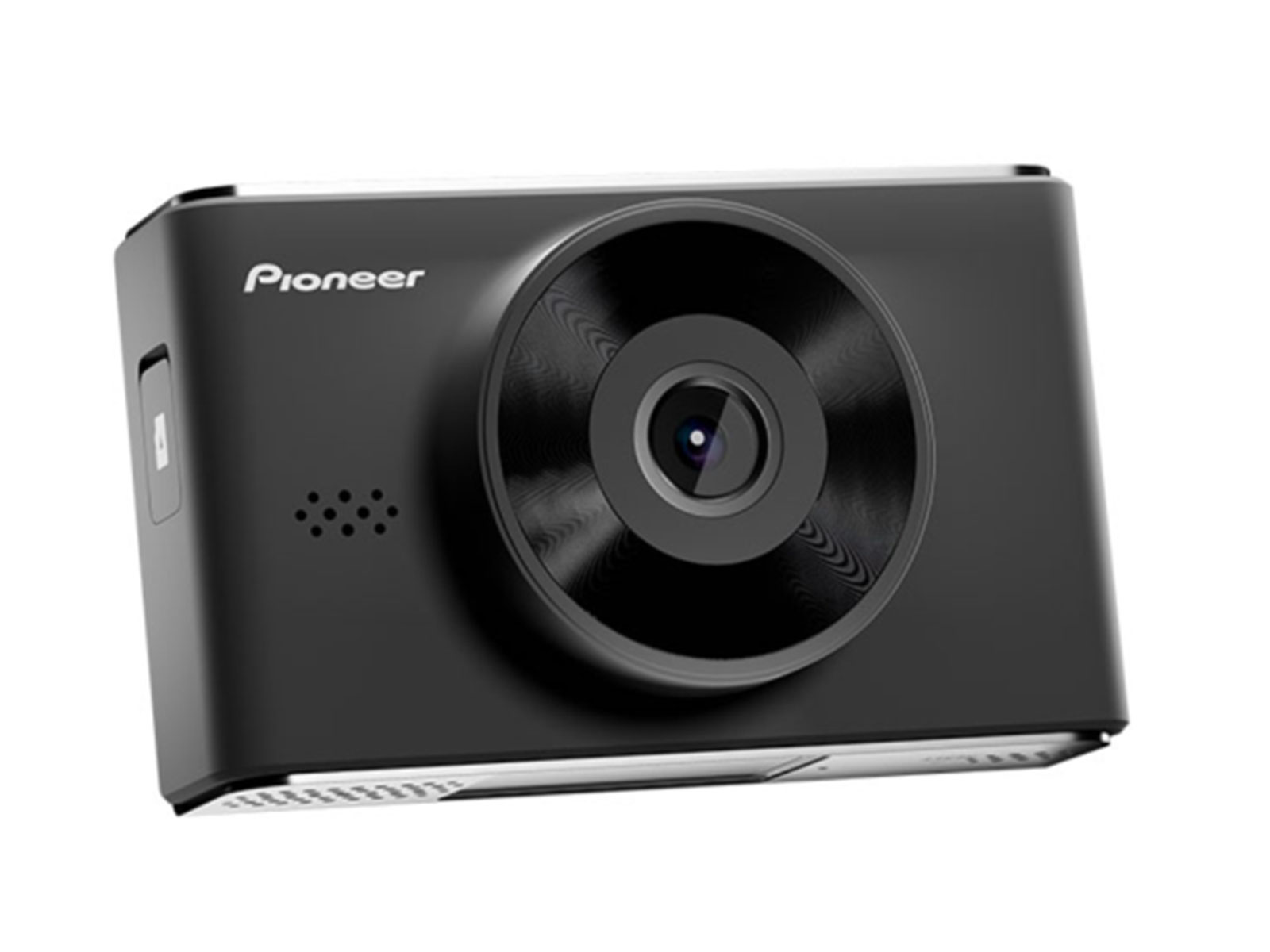
The Pioneer VREC-H320SC looks a lot like a compact point-and-shoot digital camera, and I like that. I could easily mount this tight out of the box. The soft-touch and leathery black finish offers a sense of premiumness. Though I did notice it acts as a bit of a dust magnet as well. However, I find the 3.0-inch IPS display quite good. I don’t even have to reach my phone to review footage as I can easily adjust the camera angle and review footage right there.
I instinctively tried to swipe the screen a few times but realised that it relies on the capacitive buttons below it. As mentioned above, installation is easy with a simple plug-and-play setup via the 12V socket. The cable was long enough to tuck neatly into the headliner and A-pillar. It has a 360-degree rotating mount which works quite nicely as I can easily spin the camera around to record inside the cabin if needed.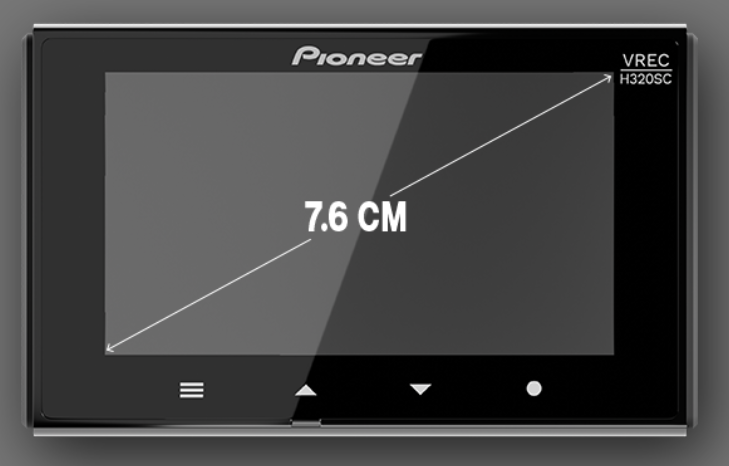
Video Performance:
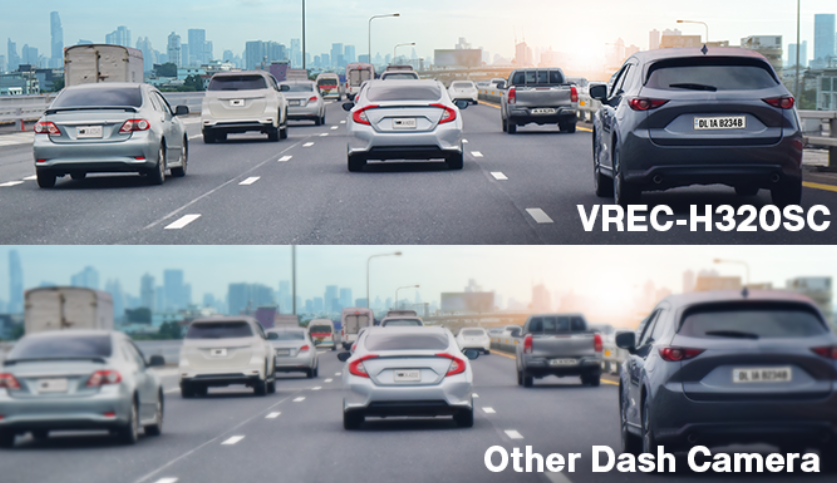
The camera has a 2-Megapixel sensor recording in 1080p Full HD with a 139-degree wide-angle lens. There is no problem during daylight, as the wide angle can easily capture multiple lanes and blind spots. Plus, the colours and dynamic range are solid. It also records in-cabin audio simultaneously, and I suggest you keep that on as the audio context can be a lifesaver if you ever need to explain a situation to the authorities or your insurance company.
The Catch:
I couldn’t read number plates, which is surprisingly difficult. If a vehicle is directly in front of me, by a few feet, then it’s fine. But if there’s a car zooming past me or is more than 10 meters away, then the numbers blur out. It gets worse at night due to headlights and glare. It’s great at showing how an incident happened, but if a car clips you and speeds off, this camera might struggle to catch the license plate.
The App and Smart Features:
To get videos onto your phone, you have to use Pioneer’s ZenVue app via a direct Wi-Fi connection to the dashcam. The app is straightforward and gets the job done for downloading clips, but I did notice a frustrating 2- to 3-second lag when trying to use the ‘Live View’ feature on my phone. Then there are the smart features.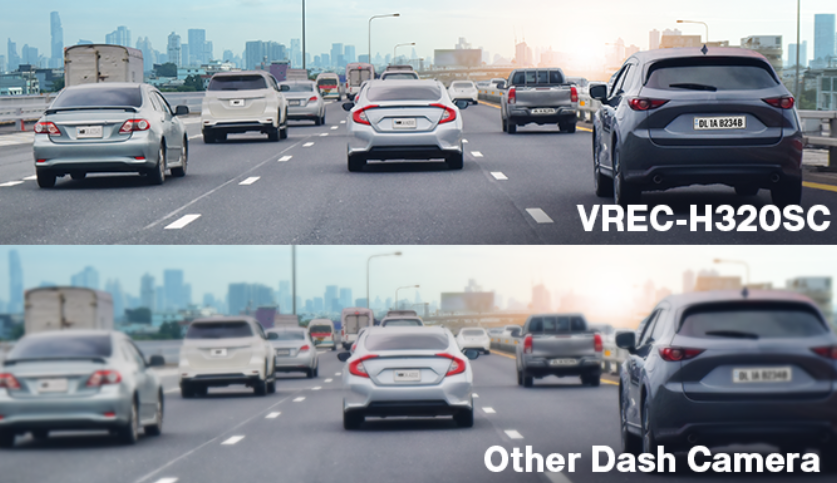
The Hyperactive G-Sensor:
The dashcam is designed to automatically save footage if it detects a crash. But the problem with this one is the sensitivity. Even if I set the lowest level of sensitivity, a simple speed bump or a normal-sized pothole just triggers the emergency recording. This way, I could see my memory card getting full with a lot of emergency recordings.
ADAS (Advanced Driver Assistance Systems): The camera has features like ‘Forward Collision’ and ‘Lane Departure’ warnings but they feel a bit gimmicky. It actually relies on simple audible beeps, and in stop-and-go traffic, I found myself tuning them out completely.
In the end:
The Pioneer VREC-H320SC nails the basics of dashcam ownership- it’s reliable, the daytime video is wide and clear, and the large screen makes it user-friendly. It’s a good digital co-pilot; just be prepared to forgive a few of its quirks. It’s selling for Rs 11,399, and at that price point I wish to have a sharper resolution to easily read distant number plates and a more refined G-sensor. However, as mentioned earlier, it’s a dependable dashcam, and you can surely take a look at it.
My rating: 3.5/5
(Disclaimer: The author is an expert in the fields of consumer technology, lifestyle, and auto. Views shared here are personal.) (ANI)