

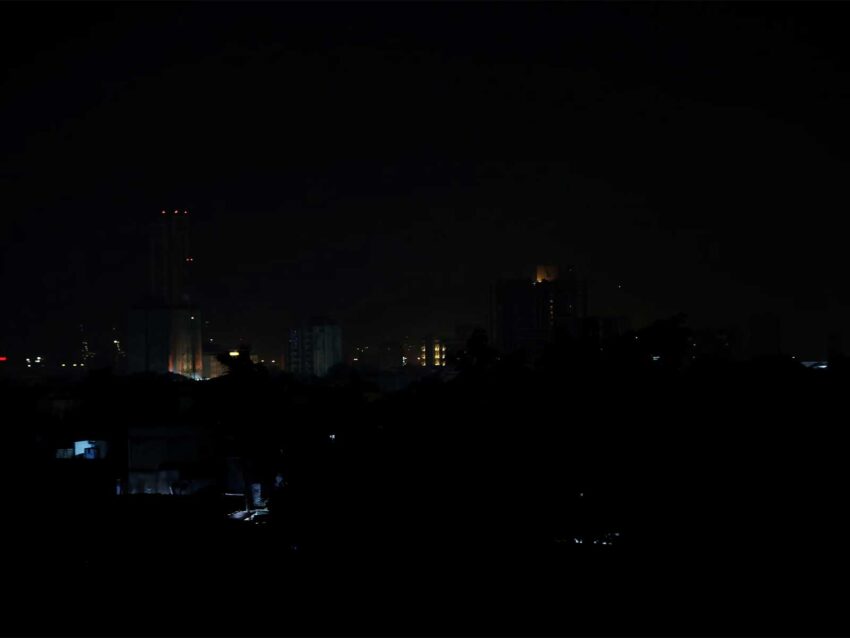
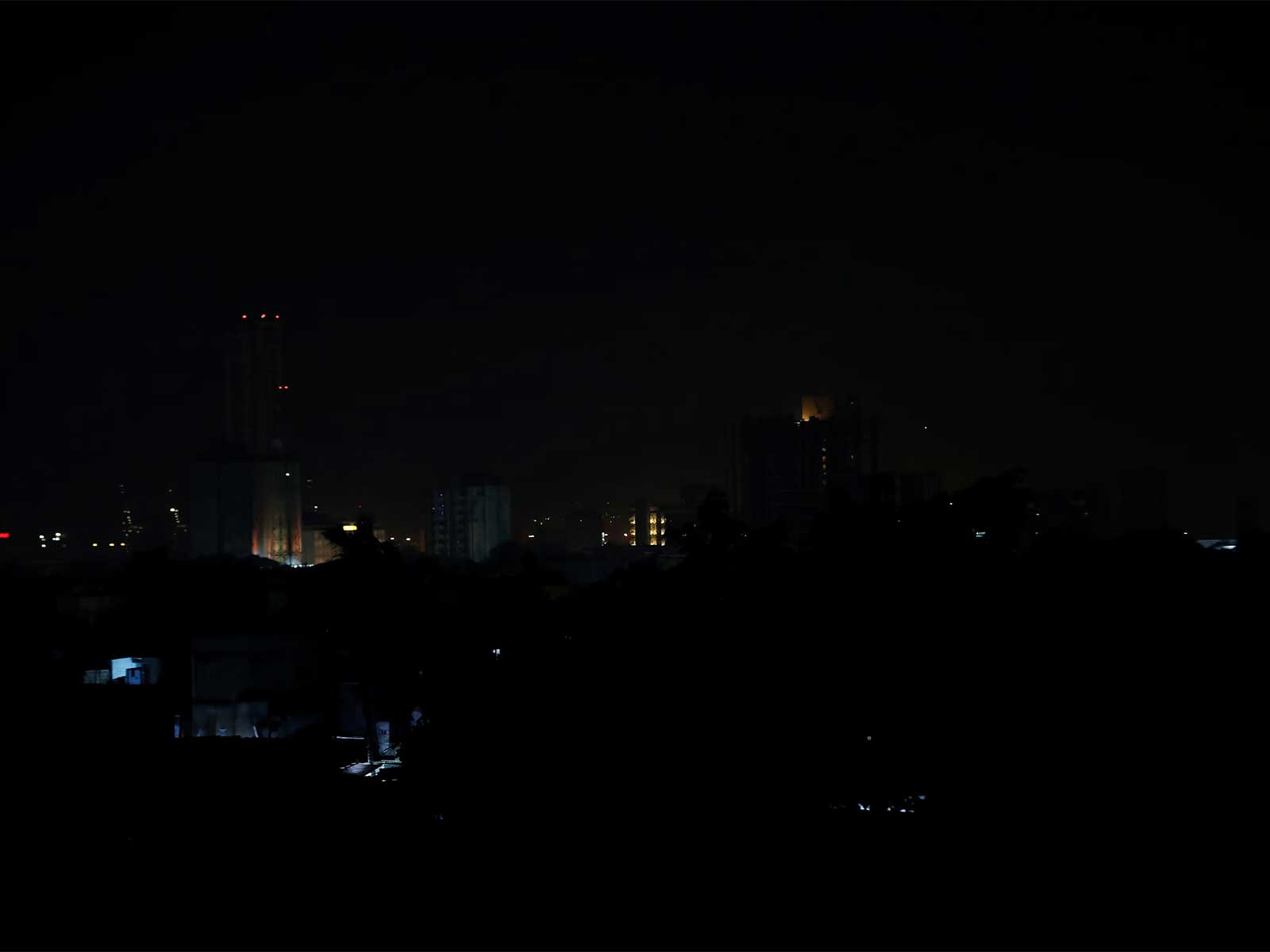
Lahore [Pakistan], August 29 (ANI): Pakistan’s electricity crisis has worsened as declining generation at several power plants has pushed the countrywide power shortfall beyond 4,000 megawatts, leading to longer and more frequent outages in several regions, as reported by ARY News.
According to ARY News, citing sources within the National Transmission and Despatch Company (NTDC), power generation has fallen at multiple plants, widening the gap between electricity demand and available supply.
The impact has been particularly visible in Lahore and other parts of Punjab, where consumers are reportedly facing between two and three hours of load-shedding.
The Lahore Electric Supply Company (LESCO) is currently dealing with an electricity shortfall of more than 1,200 megawatts.
Sources attributed part of the prolonged outages in the LESCO service area to repeated tripping incidents affecting the electricity network. Such disruptions have added further pressure to an already strained power system.
At the national level, the electricity deficit has reportedly surpassed 4,000 megawatts. The widening shortfall has renewed concerns about the reliability of Pakistan’s power infrastructure, particularly as generation constraints coincide with problems in transmission and distribution.
An RLNG vessel carrying fuel failed to reach the port, raising fears that the existing gas supply difficulties could become more severe and further restrict power generation.
The worsening supply situation comes shortly after another blow for electricity consumers.
On August 7, the National Electric Power Regulatory Authority (NEPRA) approved a nationwide increase of PKR 0.75 per unit under the monthly fuel cost adjustment mechanism for June 2026.
The increase would also apply to K-Electric consumers and would be reflected in August electricity bills, as cited by ARY News.
The adjustment followed a request from the Central Power Purchasing Agency (CPPA), which had sought a PKR 1.20 per-unit increase for June.
NEPRA had earlier approved a PKR 0.34 per-unit increase under the May monthly adjustment, as reported by ARY News. (ANI)