

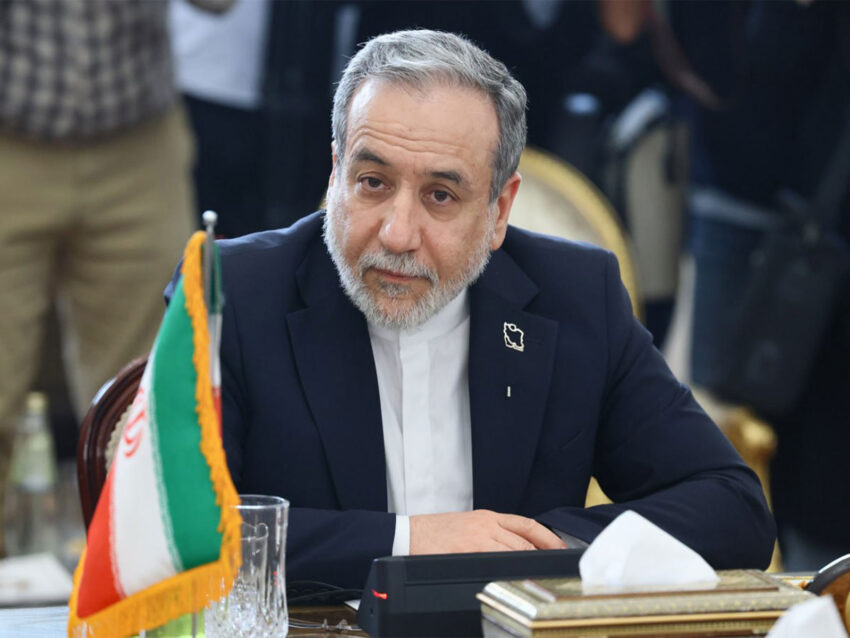
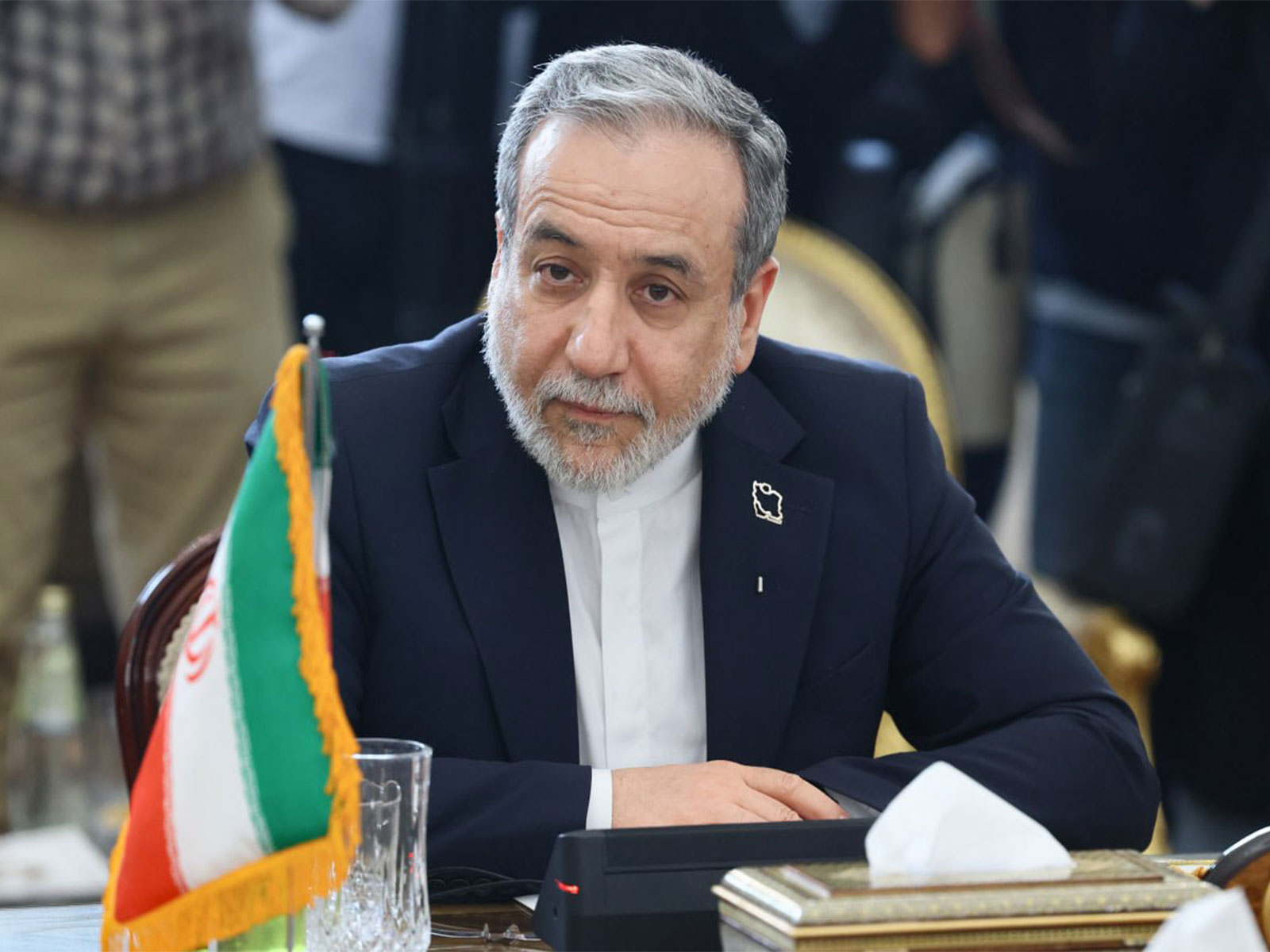
Tehran [Iran], November 21 (ANI): Iranian Foreign Minister Abbas Araghchi on Thursday (local time) said that Tehran will not accept an agreement with Washington merely to end the current deadlock, insisting that any deal must safeguard Iran’s national interests and provide assurances against a renewed conflict.
In an interview with the state-run Iranian newspaper, as reported by Al Jazeera, Araghchi said Tehran was seeking a “good, honourable and lasting agreement” instead of remaining in the current “neither war nor peace” situation.
Questioning the durability of any potential understanding with Washington, he said, “What is the point of reaching an agreement today if it is violated two months later and war resumes?”
Araghchi pointed out that fighting had resumed just 15 days after the June ceasefire agreement, stressing that Tehran would not accept an arrangement simply to escape the current situation. “Not every agreement is worth accepting simply to escape the current situation,” he said.
The Iranian Foreign Minister maintained that any agreement must prevent another war and should not involve concessions that Washington could portray as a victory.
On the nuclear issue, Araghchi said Iran was open to a negotiated solution concerning its stockpile of uranium enriched to 60 per cent but ruled out transferring the material outside the country.
He said a “fair” formula could be reached on Iran’s nuclear enrichment, but insisted that the issue could not be addressed separately from other demands and must form part of a broader agreement that safeguards Iran’s national interests.
Araghchi said mediators had presented several proposals concerning Iran’s enriched uranium stockpiles. However, he maintained that nuclear enrichment could not be separated from other issues under discussion.
He also said Iran’s official nuclear doctrine remained unchanged, although experts were continuing discussions on the matter.
On the decision-making process, Araghchi said Iran’s Supreme National Security Council negotiations committee would review the proposed agreements before the council issued its final approval.
Regarding diplomatic engagement with Washington, he confirmed that Tehran and the US were continuing to exchange messages and proposals through Qatar and Pakistan. “We are people of diplomacy, and we still have hope in diplomacy,” he said.
Araghchi also called for greater regional cooperation on security, arguing that reliance on military forces from outside the region was insufficient to guarantee lasting stability.
Separately, Araghchi said the Islamabad memorandum of understanding between Tehran and Washington was “no longer on the table”, while maintaining that Iran remained willing to reopen the Strait of Hormuz if its conditions were met.
According to Al Jazeera, he said the memorandum had been finalised with the signatures of both countries’ presidents, but Washington’s violation of an important provision had effectively ended the agreement.
He said Tehran subsequently incorporated US commitments under the memorandum, along with demands for the lifting of new sanctions, into a seven-day proposal for reopening the strategic waterway.
Following two months of consultations, the proposed period for reopening the Strait of Hormuz was shortened to two days, with Washington expected to fulfil its commitments on the first day, he said.
Emphasising that the timeline was not the main concern for Tehran, Araghchi said Iran was prepared to shorten the proposed period further, provided its demands were met.
“Even if the timetable is reduced from two days to one day or two hours, we have no problem with that. What matters is that Iran’s demands are met,” he said.
His remarks underline Tehran’s position that any diplomatic settlement with Washington must address its security concerns, nuclear programme and sanctions demands, while ensuring that an agreement does not pave the way for another round of fighting. (ANI)