

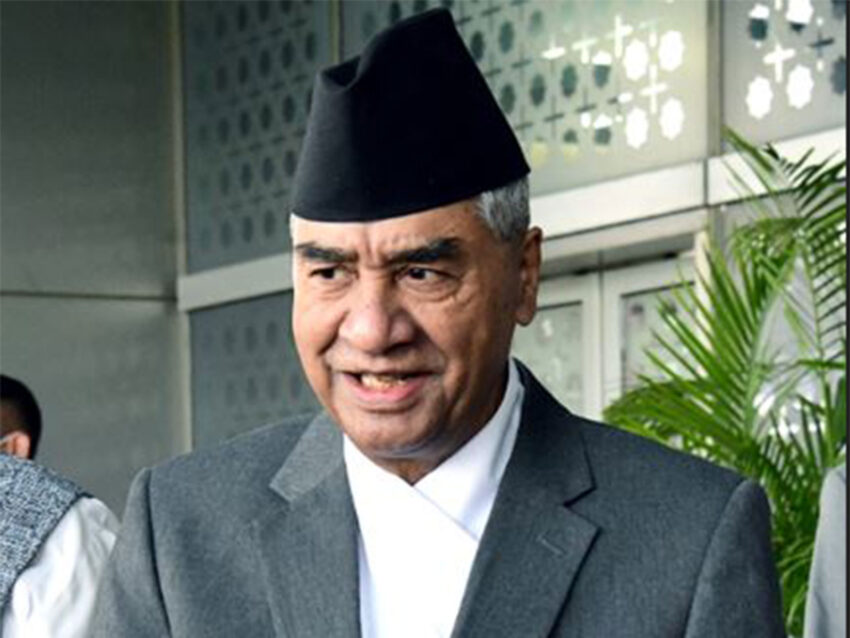
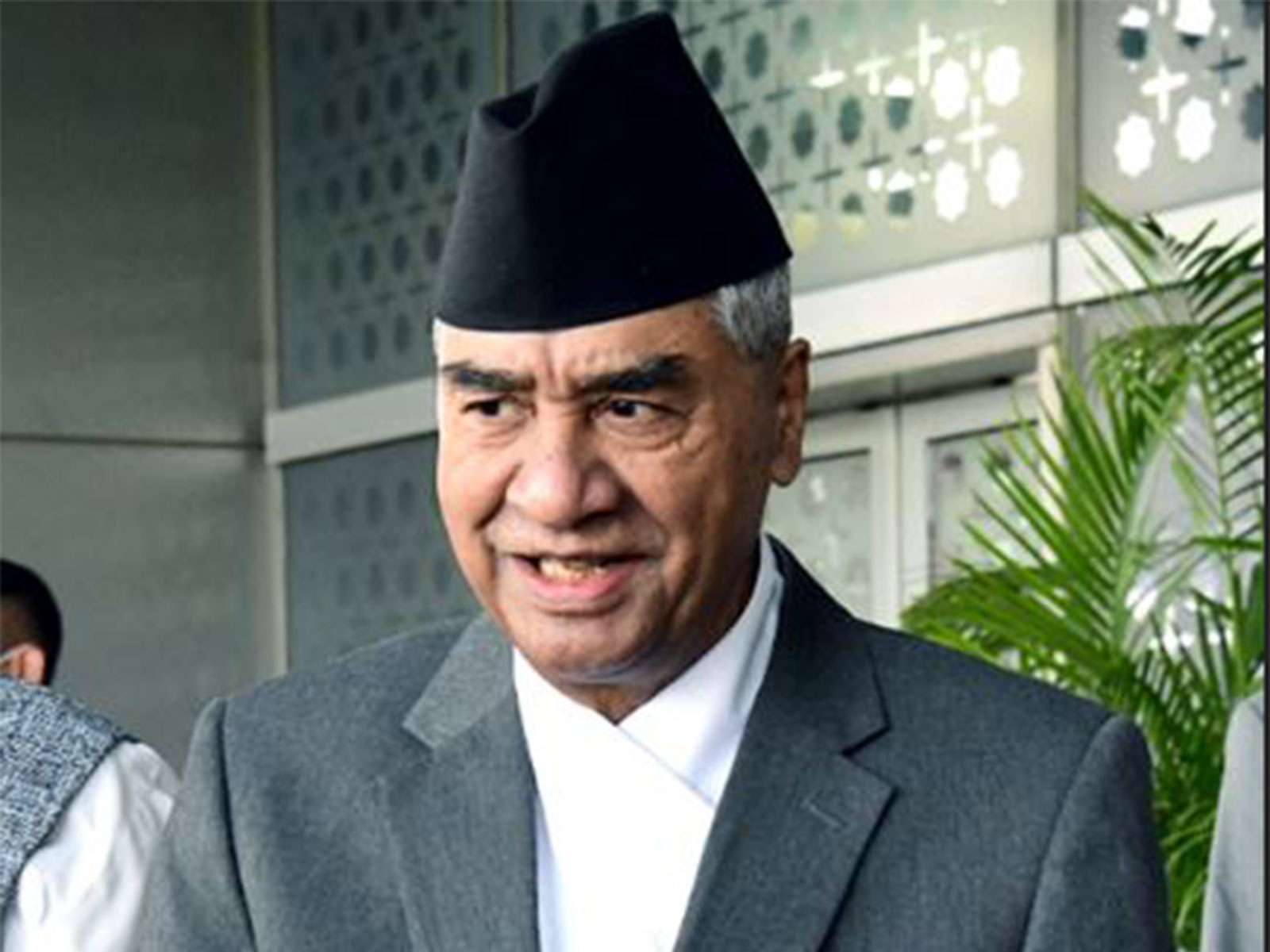
Kathmandu [Nepal], October 4 (ANI): Nepal’s former Prime Minister Sher Bahadur Deuba, along with a panel of leaders from the Nepali Congress, skipped the opening ceremony of the 15th General Convention of the party as the intra-party rift continues to widen.
The General Convention of the oldest party of the Himalayan Nation is being held nearly 8 months after the special convention held in January this year before the election. It is the party’s first regular national convention since December 2021.
At the January special convention, Gagan Kumar Thapa became the party president, which was convened by over 54 per cent of party delegates, replacing Sher Bahadur Deuba’s leadership. The Election Commission officially recognised Thapa’s committee on January 16, and the Supreme Court upheld that recognition on April 17, though the court agreed in August to review its decision.
While the Thapa-led establishment is conducting the regular convention to fulfil statutory requirements, Deuba’s camp continues to boycott the process and has called a rival gathering for December 7 to 9.
“Few of our friends are angry with us, they’re not satisfied and have skipped the event. If anyone asks you after you return from here- today, we had kept a seat vacant for Sher Bahadur Deuba. We had the expectation that he would come to inaugurate the opening session; there isn’t much to complain about it,” Gagan Kumar Thapa, the party president, said while addressing the opening ceremony.
Further adding, “But if anyone would ask if we kept his honor or not, respected him enough or not- it is not the times we knocked on his door every day. It should be measured through our works- whether we could level up his party or not, broadened the impact or not, that is the true essence of honoring him and we will always stand firm on it.”
Thapa indicated that the Nepali Congress should move forward with the new leadership while clearly reviewing issues from the past. He said the party should make efforts to include everyone within its ranks and develop a clear position regarding leaders who have left the party.
The oldest party’s second special convention was held in Kathmandu from January 11 to 14 after representatives who made up more than half of the party’s delegates signed a demand for it. 54 percent of representatives attended, while only about 30 members of Deuba’s central committee took part.
The gathering elected Gagan Thapa president and formed a new central working committee. Under the party statute, a committee elected at a special convention is interim. It must hold a regular convention within a year to keep its mandate, following the provision that the party is convening the 15th General Convention. For this, conventions have been held in wards and constituencies across the nation.
Clause 17 of the Nepali Congress statute allows a special general convention if at least 40 per cent of elected convention representatives sign a request. The Election Commission relied on that rule in January when it recognised Thapa’s leadership.
The Thapa side reads the statute to mean that a committee elected at a special convention is interim, and that a regular convention held within a year secures its legitimacy. That puts the outer deadline in mid-December. The Deuba side disputes the special convention itself. A president must win a majority of valid votes, and a second round is held if nobody crosses that line.
The statute amended in January also changed who can be a delegate. A leader now needs a ward recommendation and a constituency election, instead of automatic entry as a central committee member. It reserves at least 21 central committee seats for people under 35 and sets quotas for experts, workers, diaspora, persons with disabilities and minorities.
The argument over when to hold the regular convention ran for months before the Gen Z protests of September 2025. Last October, Deuba handed the acting presidency to Purna Bahadur Khadka. A group led by the then general secretaries Gagan Thapa and Bishwa Prakash Sharma gathered signatures for a special convention, and a request backed by 54.58 percent of delegates reached party headquarters. Deuba’s side opposed it, arguing that the regular convention timetable was already moving.
The special convention went ahead in January. Hours before it elected Thapa, Deuba’s committee suspended Thapa, Sharma and Farmullah Mansoor. The Election Commission recognised the new leadership on January 16, and the Supreme Court upheld that recognition on April 17.
In August, the court agreed to review its own ruling. Since then, the party has operated as two camps, each running its own process and each claiming the statute. Upon getting recognition from the Election Commission, the Thapa-led committee issued tickets for the March election.
The Deuba side challenged the decision in the Supreme Court. On April 17, a bench upheld the recognition. Deuba and Khadka then asked for a review, and in early August a full bench led by Chief Justice Manoj Kumar Sharma allowed the review petition. Petitions asking the court to stop the Thapa-led convention were rejected, so preparations went ahead.
The review itself is pending. No hearing date had been listed. Each side reads the situation differently. Deuba’s camp says leadership remains open until a final decision, and argues that proceeding risks contempt. Along with this, the faction has announced its own 15th General Convention in Kathmandu from December 7 to 9. (ANI)