

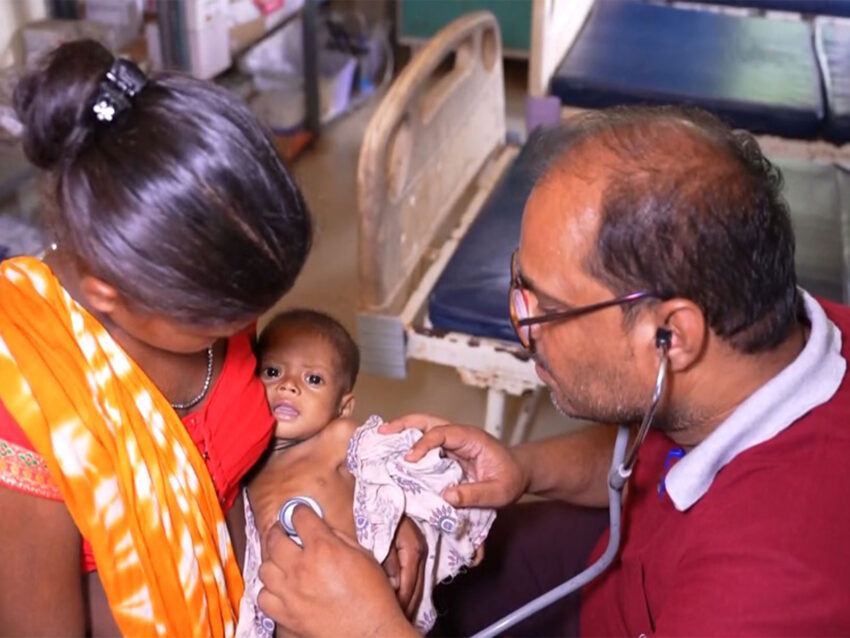
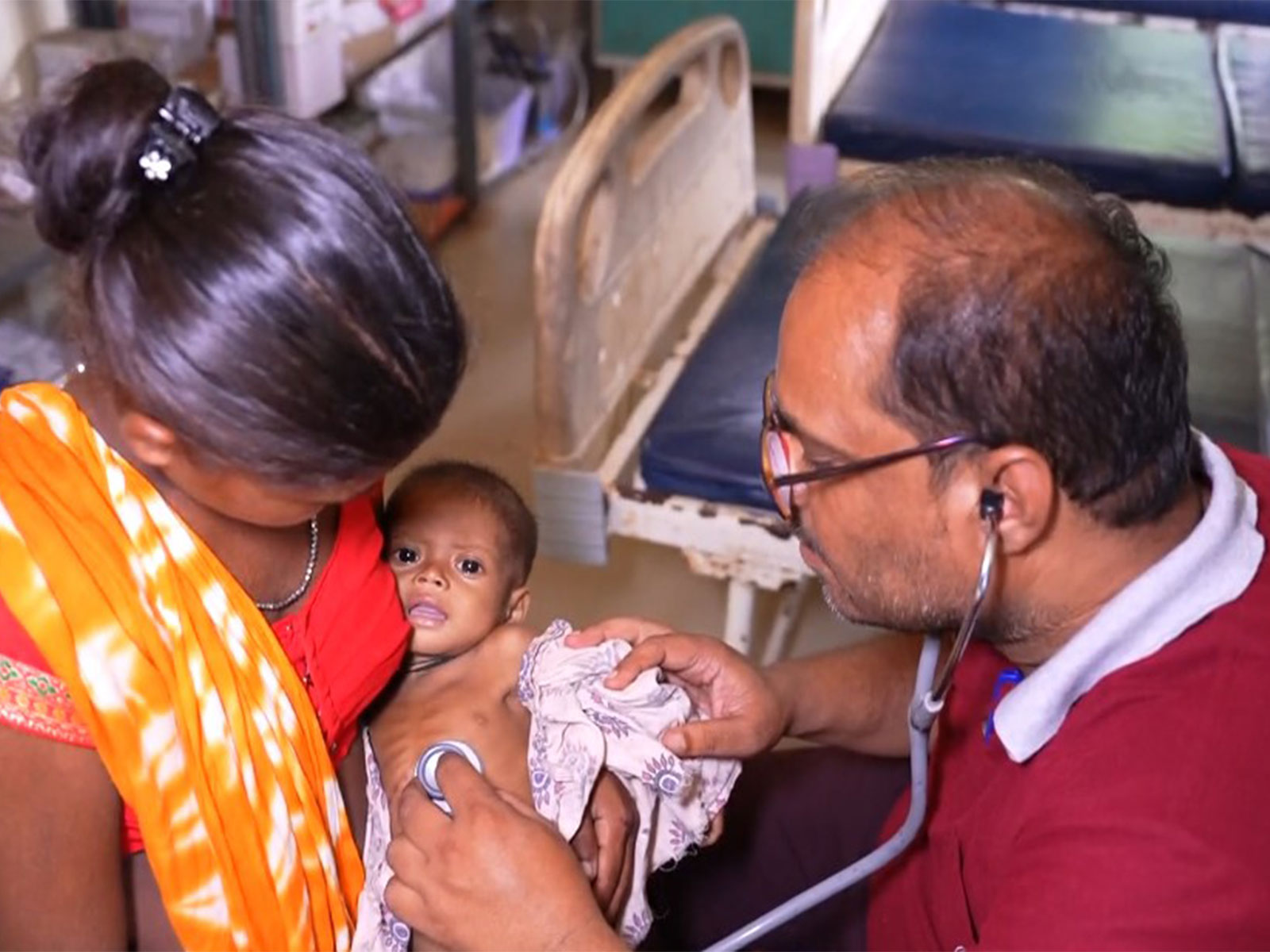
Sukma (Chhattisgarh) [India], July 20 (ANI): The “Mukhyamantri Swasth Bastar Abhiyan” has emerged as a catalyst for transformation in Chhattisgarh’s Sukma district, leading to a significant decline in the Maternal Mortality Rate (MMR) and Infant Mortality Rate (IMR) through the timely identification of pregnant women, regular check-ups, monitoring of high-risk pregnancies, and the promotion of institutional deliveries.
The scenario in Sukma, which was once hit by Naxal violence and faced significant challenges in delivering healthcare services to pregnant women in remote villages, has changed remarkably.
Despite challenges posed by dense forests, rugged mountains, and nature, health department teams are reaching every village to ensure healthcare facilities are accessible under the “Mukhyamantri Swasth Bastar Abhiyan.”
“Chhattisgarh is making commendable strides toward reducing maternal and infant mortality rates. Maternal deaths have reduced compared to previous records in the state. We are actively working to further reduce these figures,” stated Chief Minister Vishnu Deo Sai.
“Earlier, many pregnant women remained outside the regular monitoring network of the health department. However, through this campaign, everyone has now been registered and brought under the umbrella of health check-ups,” said Sukma Collector Amit Kumar, adding that as a result, institutional deliveries in the district have surged from 96-97% to 98.6%.
Moreover, there has been a remarkable drop in the maternal mortality rate; compared to 11 cases last year, the figure has now dropped to single digits, the Collector added.
Notably, Chief Minister Vishnu Deo Sai launched the Mukhyamantri Swasth Bastar Abhiyan from Sukma on April 14. The campaign’s objective is to deliver healthcare services to the last village and the last person in Bastar. Health department teams are working relentlessly, conducting door-to-door check-ups, identifying pregnant women, and screening for blood pressure, blood sugar, anemia, sickle cell disease, and other ailments.
Under this campaign, the highest priority is given to identifying high-risk pregnancies and ensuring timely treatment, said Chief Medical and Health Officer (CMHO) Dr. RK Singh. He further informed that so far, over 2,000 individuals affected by anaemia have been identified and put on treatment. Pregnant women with sickle cell disease are under special surveillance, and blood transfusions are provided whenever necessary.
“Women are registered, tested, vaccinated, and given regular follow-ups within the very first trimester of pregnancy,” informed ANM Mandavi Rajeshwari. She further detailed that families are being informed about the benefits of institutional deliveries and government welfare schemes. Apart from warmer machines and baby weighing scales, 12 types of services are available for the care of infants and mothers. If needed, an ambulance arrives within 15 to 20 minutes.
“Earlier, deliveries used to happen mostly at home, but continuous public awareness campaigns have built trust in hospitals,” said Anjali Baghel, CHO of Minpa Health Centre. Safe deliveries protect the lives of both mothers and newborns, helping health workers successfully reduce MMR and IMR, she added. (ANI)