

Ulaanbaatar [Mongolia], September 1 (ANI): International media cooperation and effective communication were highlighted as important drivers for advancing the Sustainable Development Goals (SDGs) during the 17th session of the Conference of the Parties (COP17) to the United Nations Convention to Combat Desertification (UNCCD) in Mongolia.
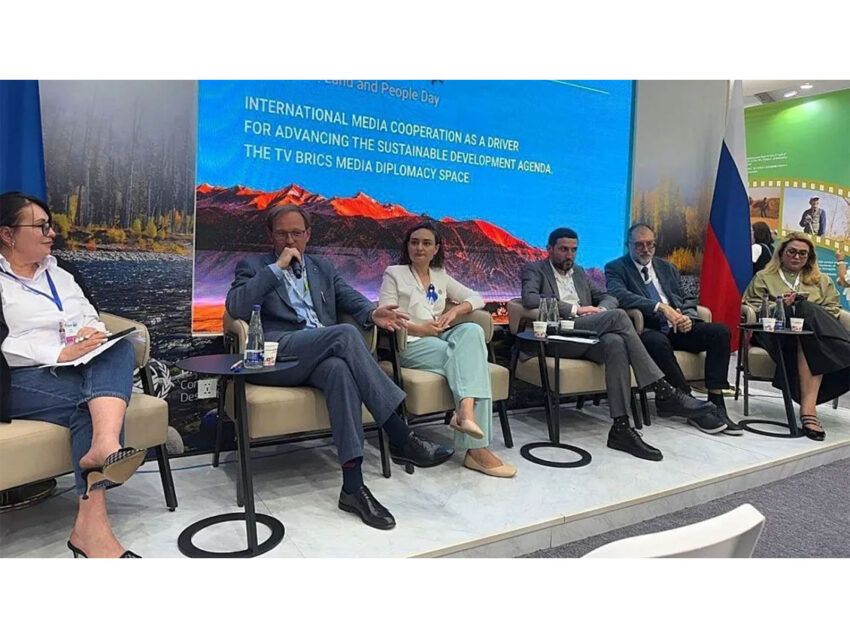
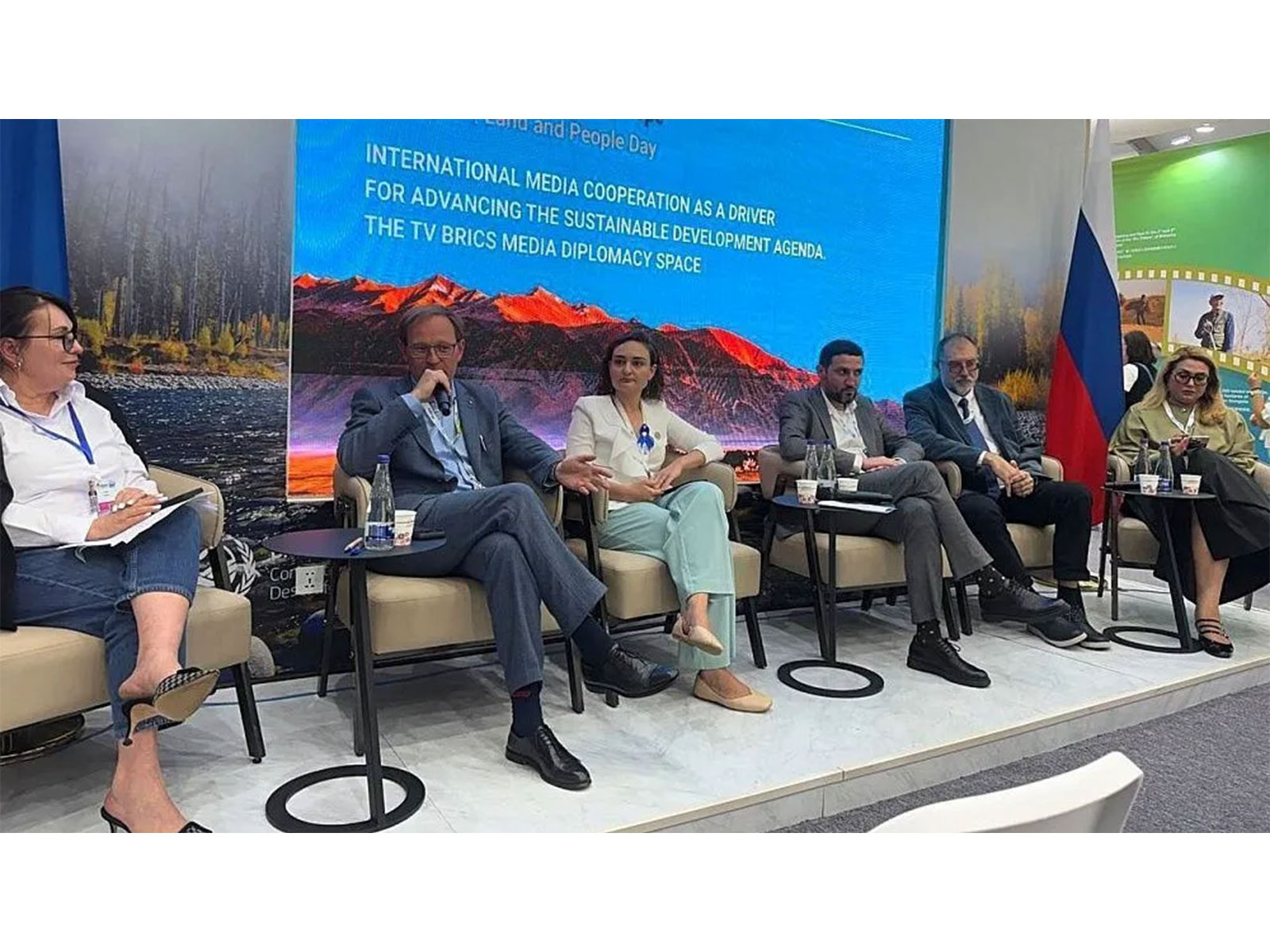
A session titled “International Media Cooperation as a Driver for Advancing the Sustainable Development Agenda: The TV BRICS Media Diplomacy Space” brought together participants to discuss how international media can raise awareness about land degradation, promote sustainable practices and make environmental challenges more understandable to wider audiences, as reported by TV BRICS.
According to TV BRICS, the discussions emphasised that successful implementation of environmental conventions depends not only on governments and institutions but also on public awareness.
Natalia Dorpeko, Executive Director of the UN Global Compact Network Russia, said media organisations have a major responsibility to provide accurate and fair information while strengthening international partnerships to communicate the Sustainable Development Agenda across countries.
Ulyana Bezhenar, Lead International Projects Manager at TV BRICS, said media increasingly serve as a bridge between those developing environmental solutions and communities responsible for implementing them. She stated that media engagement should be viewed as a condition for achieving the SDGs rather than merely a supporting activity.
Bezhenar also highlighted the importance of experience-sharing among countries of the Global South. She said the TV BRICS network, which connects more than 300 organisations across 35 countries, facilitates multilateral information exchange and regularly covers issues such as biodiversity protection, renewable energy, food security, sustainable development and desertification.
The session also featured the premiere of the documentary “Earth. Lifelines”, produced following TV BRICS’ role as an international media partner of the UNCCD’s 2026 “Silk Road Caravan” initiative.
The film examines the Russian leg of the project, covering Dagestan, Kalmykia and the Astrakhan Region, and presents examples of sustainable pasture management, biodiversity conservation and responsible water use.
Participants praised the documentary for presenting complex environmental issues in an accessible manner. UNCCD Central Asia-Russia Interregional Group representative German Kust suggested using the film as an educational resource for students.
Olympic judoka and UNCCD Ambassador Asmaa Niang also praised the project, saying it helped demonstrate land-restoration practices while bringing people and communities together. (ANI)