

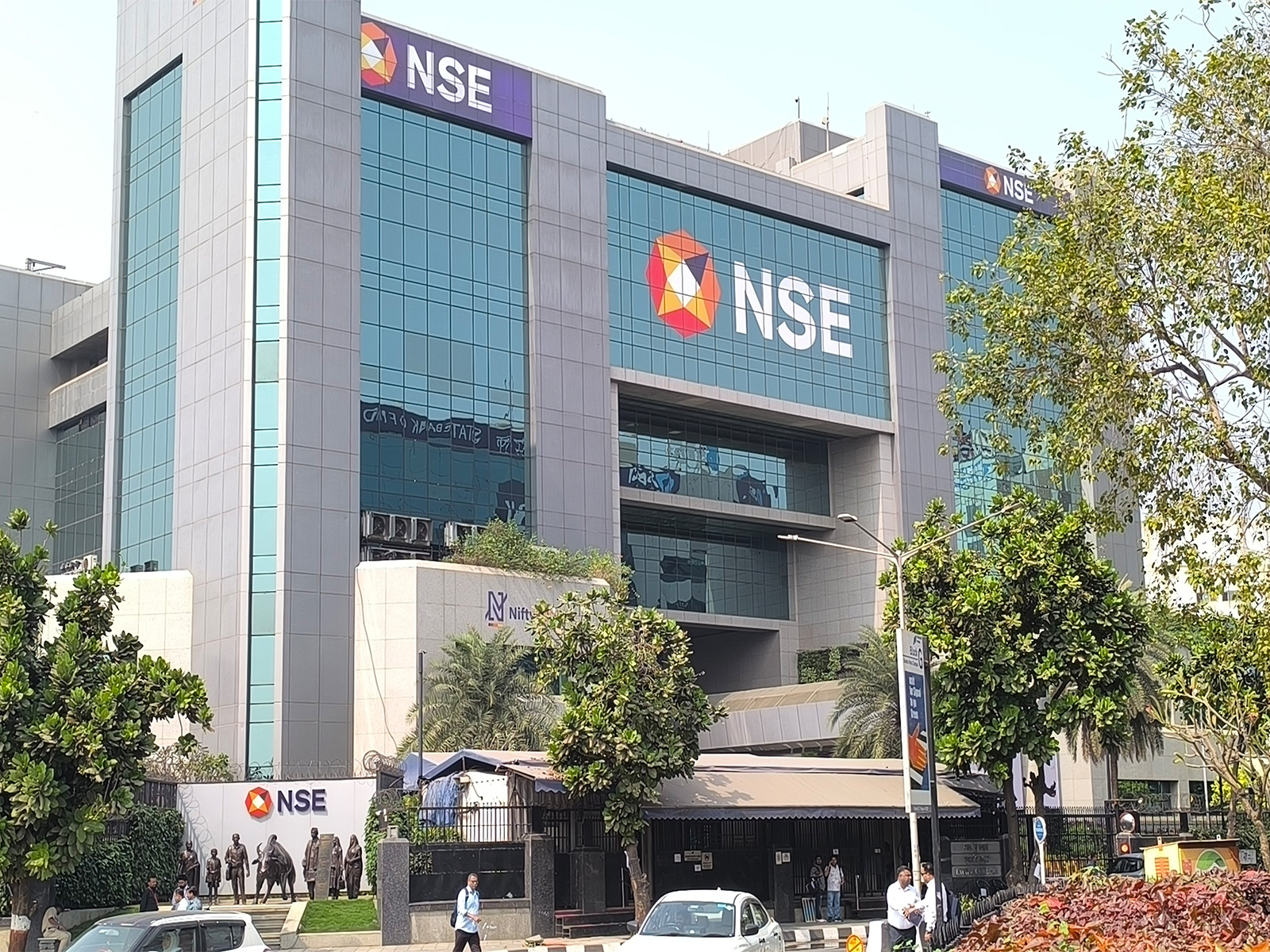
New Delhi [India], May 11 (ANI): Indian equity benchmarks opened in the red on Monday as geopolitical tensions, rising crude oil prices, and concerns over foreign exchange outflows weighed on investor sentiment. Prime Minister Modi’s appeals to curb foreign exchange outflows and weak global cues from Wall Street futures added pressure to domestic markets.
At the opening bell, the BSE SENSEX stood at 76,378.03 points, marking a decline of 950.16 points or 1.23 per cent. Similarly, the NIFTY 50 reached 23,900.25 points, down by 275.90 points or 1.14 per cent.
The jewellery sector faced heavy selling pressure after Prime Minister Narendra Modi appealed to citizens on Sunday to conserve foreign exchange reserves. The Prime Minister requested the public to avoid unnecessary foreign travel, overseas vacations, and foreign weddings, encouraging domestic tourism instead. He also requested that people avoid non-essential gold purchases for one year to reduce pressure on foreign exchange outflows.
Stock prices for major jewellers reacted sharply as Senco Gold Limited dropped 8.98 per cent to Rs 332.60, while Titan Company Limited fell 5.34 per cent to Rs 4,268.10. Kalyan Jewellers India Limited saw a decrease of 7.43 per cent to trade at Rs 393.00, and PC Jeweller Limited declined by 3.89 per cent to Rs 9.13.
Ajay Bagga, Banking and Market expert, said, “India is a different story and the PM in a public gathering spoke of the energy supply and price challenges for the Indian economy and the need to take measures to reduce energy dependence and imports while conserving foreign exchange. Indian markets are pointing to a weak open. Expectations of petrol and diesel price hikes this week are high as OMC losses are running at Rs 30,000 crores per month.”
On the global political shakeup, Bagga noted, “Markets are focusing on the AI/Big Tech momentum and ignoring the tail risks from a re-escalation from US- Iran. Netanyahu in an interview yesterday, said that he sees the Iran war as not over till Iran’s nuclear facilities are obliterated. The second-order conclusion is that China, which controls Iran, has not deemed it fit to help the Trump-Xi Summit by pressurising Iran to agree to at least a temporary truce.”
Bagga mentioned that this reduces the expectations from the Trump-Xi Summit, “expect Trump to transactionally try to blind side Xi, while the Chinese will come well prepared with countermeasures to keep the narrative in control.”
Sujan Hajra, Chief Economist, Anand Rathi, in a report, said, “Markets stayed optimistic, but nerves around crude never really left the room. Indian equities still ended higher, with broader markets outperforming as midcaps and smallcaps extended their strong rally. Autos and IT supported sentiment, while banks and metals struggled under earnings disappointments and rising global uncertainty.”
He stated that on the macro side, India’s economy remained resilient with PMI activity strengthening and domestic demand holding firm. But higher crude prices, logistics disruptions, and geopolitical tensions around the Strait of Hormuz kept inflation worries alive.
“Central banks globally remained cautious on rate cuts as energy-led price pressures continued to complicate the outlook. Growth is holding up, but global risks are beginning to make resilience more expensive,” Hajra said. (ANI)