

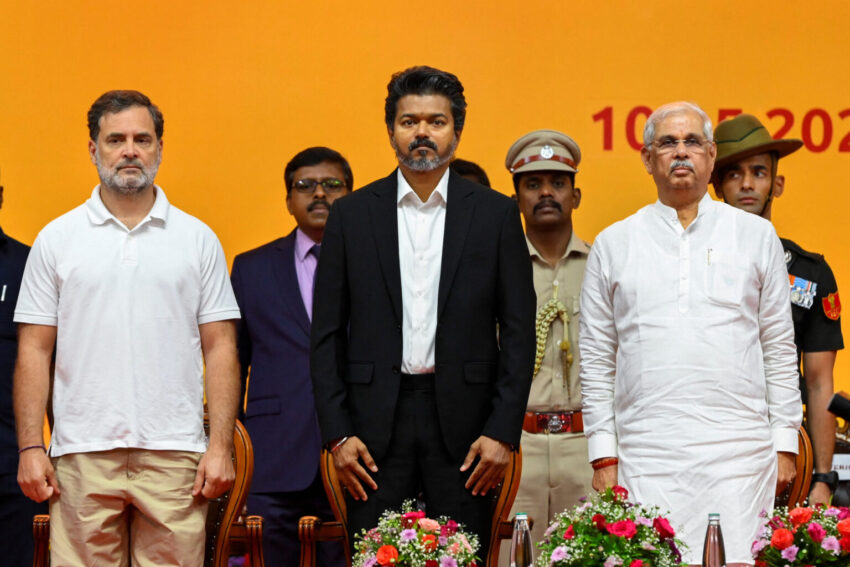

MUMBAI — In one of the biggest alcohol policy changes in recent years, the southern Indian state of Tamil Nadu has ordered the closure of 717 state-run liquor retail outlets, nearly 15% of all alcohol stores in the state, citing concerns related to public welfare and social responsibility.
The move was announced under the leadership of newly elected Chief Minister C. Joseph Vijay, the popular actor-turned-politician widely known as Vijay, marking one of the first major administrative decisions of his government.
According to the state government, all liquor shops located within 500 meters of places of worship, educational institutions and major bus terminals will be shut down. Officials have been directed to complete the closure process within two weeks.
Unlike many Indian states where private businesses operate alcohol outlets under licenses, all liquor retail sales in Tamil Nadu are controlled by the state-run Tamil Nadu State Marketing Corporation, commonly known as TASMAC. The corporation is one of the largest alcohol retail networks in India and serves as a major source of revenue for the state government.
ADVERTISEMENT

The decision is being viewed as both a political and social message from the new administration. Vijay, who entered politics after a successful film career and enjoys a massive following among youth and working-class voters, has frequently spoken about social reform, governance transparency and public welfare during his political campaign.
Government officials described the closures as an effort to reduce public inconvenience and address longstanding complaints from residents about liquor shops operating near schools, temples, mosques, churches and transportation hubs. Women’s groups and social activists in Tamil Nadu have for years demanded tighter controls on alcohol availability, arguing that easy access contributes to domestic violence, financial hardship and public disorder.
Industry observers, however, say the move could also have economic implications for India’s liquor market. Tamil Nadu is one of the country’s largest alcohol-consuming states, with billions of rupees generated annually through liquor sales. The market is dominated largely by regional Indian-made foreign liquor brands, though international beverage companies such as Pernod Ricard and Diageo maintain a significant presence through distribution partnerships and premium product sales.
The policy shift comes at a challenging time for the liquor industry, which is already dealing with rising transportation and raw material costs linked to geopolitical instability and supply-chain disruptions stemming from tensions involving Iran and shipping routes in the Middle East. Industry groups have also been seeking price increases to offset higher operational expenses.
Analysts note that while the closures may reduce immediate sales volumes in some regions, the state is unlikely to move toward full prohibition, given the substantial tax revenues generated from alcohol sales.
Tamil Nadu also remains a strategically important manufacturing and investment destination for multinational corporations. Companies such as Foxconn, a key supplier to Apple, operate large facilities in the state as India positions itself as a growing global manufacturing hub.
Political observers say the liquor-store closures may help Vijay strengthen his image as a reform-oriented leader balancing economic growth with social concerns, while signaling a shift toward stricter regulation of public-facing alcohol sales in the state.