

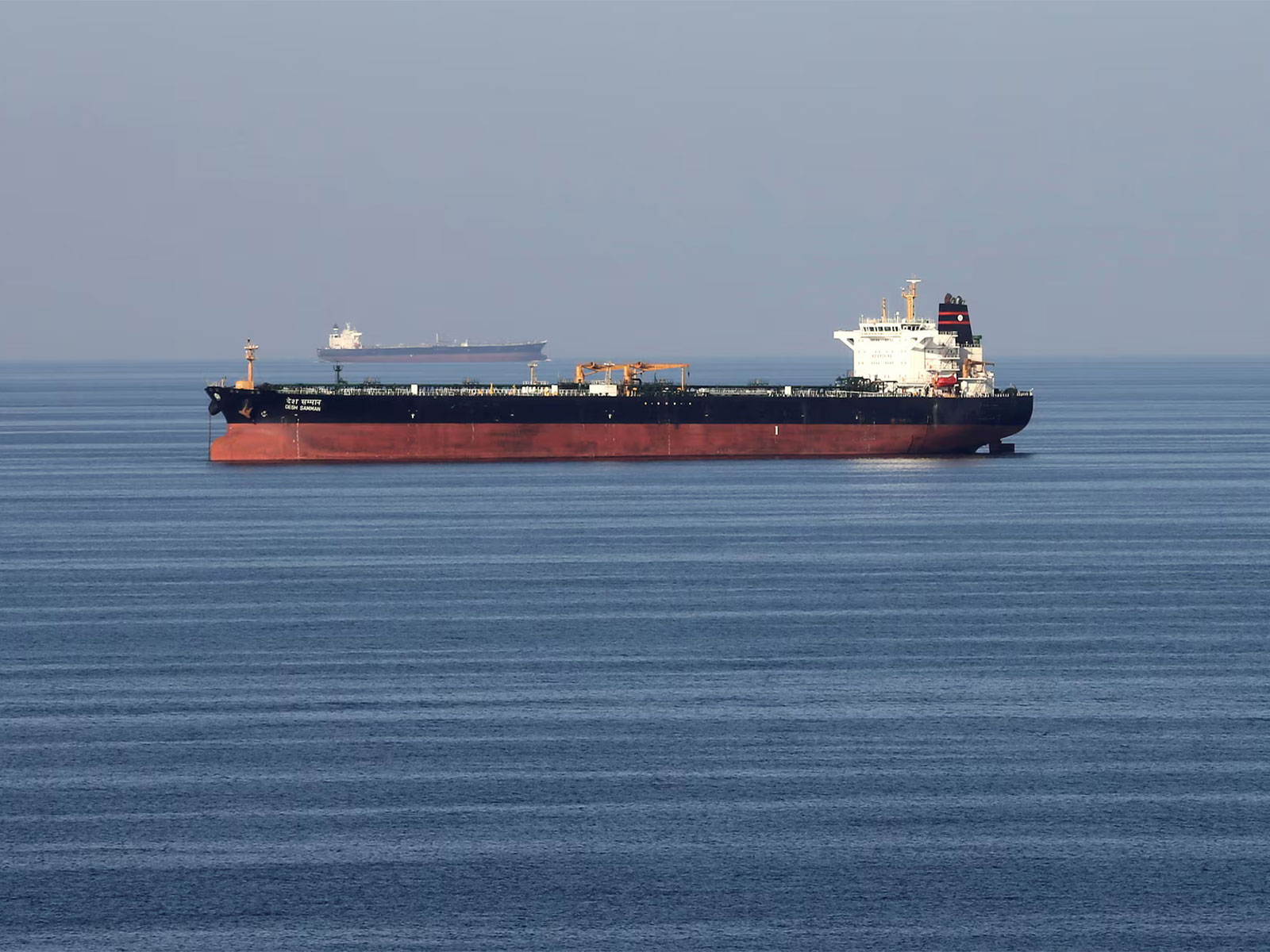
Tehran [Iran], April 20 (ANI): Iran has asserted that it will never surrender its authority over the strategic Strait of Hormuz, with a senior legislator describing the waterway as an integral component of the nation’s sovereignty.
According to a report by Iranian state media Press TV, Ebrahim Azizi, who chairs the Parliament’s National Security and Foreign Policy Committee, maintained that the vital corridor would remain under the comprehensive control of the Islamic Republic.
Azizi, a former IRGC commander, gave these remarks during an interview in Tehran on Sunday. When questioned on whether the administration would ever consider relinquishing its hold, he replied, “Never,” adding that such authority is an “inalienable right.”
The senior lawmaker further stated that Tehran intends to dictate the “right of passage,” which includes the issuance of “permissions for vessels to pass through the Strait.”
Elaborating on the legal framework for this stance, Iranian state media Press TV noted that a new bill is being introduced in the Iranian parliament. Azizi explained that the legislation, rooted in Article 110 of the constitution, addresses “the environment, maritime safety, and national security,” with the armed forces designated to enforce the law.
The lawmaker highlighted that the recent conflict involving the US and Israel has underscored the waterway’s role as a primary asset against adversaries. Following the hostilities, Tehran reportedly views the regulation of maritime traffic as a fundamental tool for “restoring deterrence” and securing long-term strategic influence.
Mohammad Eslami, a research fellow at the University of Tehran, suggested that while Iran might discuss how other countries could operate within this “new framework,” the issue of ultimate “control is the bottom line.”
In his address, Azizi also dismissed regional opposition, specifically reacting to comments from the United Arab Emirates. As reported by Iranian state media Press TV, the MP countered claims of hostile piracy by alleging that certain Persian Gulf states had “sold our region to the Americans.”
He went on to label Washington as “the biggest pirate in the world,” citing the presence of US military installations across West Asia. These bases were notably the targets of Iranian missile and drone strikes during the recent 40-day conflict.
The legislative chief’s comments preceded reports of a US military operation against an Iranian merchant vessel, the Toska, in the Sea of Oman. It is alleged that American forces boarded the ship and interfered with its navigation systems while it was en route from China.
In retaliation, Iranian units reportedly launched drone strikes against several US military vessels in the vicinity. Iranian state media Press TV indicated that these tensions persist despite Iran recently declaring the Strait open to commercial traffic following a period of restricted access for ships linked to the US and its allies.
The current geopolitical friction comes in the wake of an announcement by US President Donald Trump regarding a two-week ceasefire, which followed the acceptance of an Iranian peace proposal. However, the continuation of a naval blockade and ongoing disputes over maritime rights continue to define the volatile situation in the region. (ANI)