

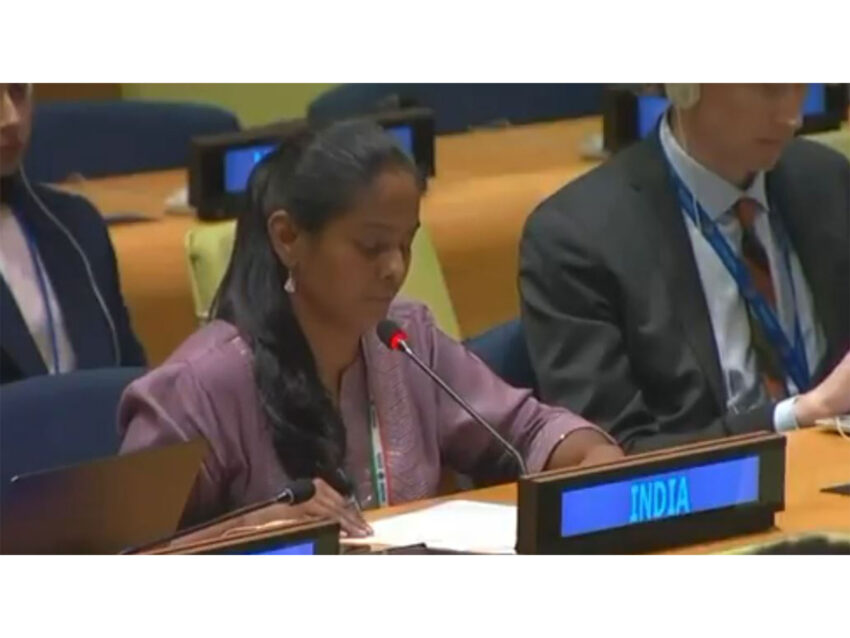
New York [US], October 13 (ANI): India on Monday (local time) called for terrorist acts meeting the requisite threshold to be appropriately reflected within the framework of crimes against humanity at the United Nations, while emphasising the primary responsibility of states to prevent, investigate and prosecute such crimes through national legal and judicial mechanisms.
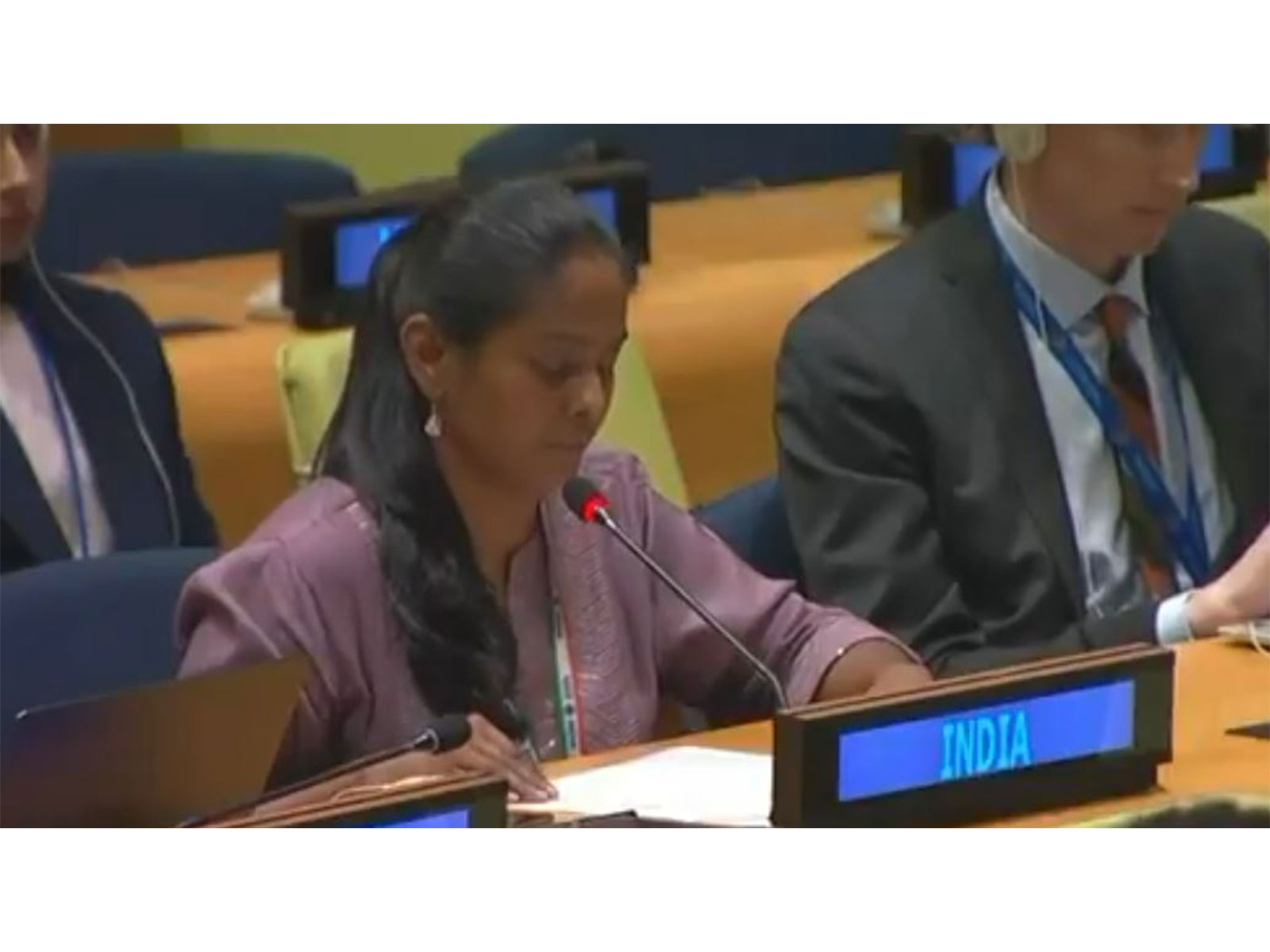
R Mythili, Counsellor (Legal Adviser) at India’s Permanent Mission to the United Nations, delivered the statement at the 81st Session of the UN General Assembly’s Sixth Committee concerning the “United Nations Conference of Plenipotentiaries on Prevention and Punishment of Crimes against Humanity”.
According to a post by the Permanent Mission of India to the United Nations on X, India’s statement highlighted the need to ensure that terrorist acts meeting the requisite threshold are appropriately recognised within the framework of crimes against humanity.
India emphasised the “primary responsibility of States to prevent, investigate and prosecute crimes against humanity through national legal and judicial mechanisms”, while calling for the primacy of territorial and national jurisdictions, with due respect for “State sovereignty and the principle of non-interference in internal affairs”.
The statement also stressed that any new convention on crimes against humanity must “complement, not duplicate, existing international legal mechanisms”, while opposing the simple transposition of existing international regimes into a new convention.
India further underscored the need for “broadly accepted principles of international law, stronger national capacities, and transparent and inclusive negotiations” as part of efforts to develop the international framework on the prevention and punishment of crimes against humanity.
India’s position at the United Nations comes alongside its broader counter-terrorism efforts over the last 12 years, reflecting a firm zero-tolerance approach towards terrorism.
The country’s counter-terrorism transformation has involved strengthened legal frameworks, institutional reforms and intelligence integration, which have significantly enhanced inter-agency coordination across central and state agencies.
Focused actions against cross-border terrorism, the dismantling of terror financing networks, and the modernisation of police and security forces have reinforced India’s national security architecture. The expansion of cybersecurity capabilities has further strengthened preparedness against emerging digital threats.
These sustained efforts have contributed to improvements in internal security indicators, including reduced terror incidents, lower casualties among civilians and security forces, and improved public safety, development outcomes and national resilience.
India’s statement at the UNGA Sixth Committee reiterated the importance of an international convention that respects national jurisdictions, avoids duplication of existing legal mechanisms and promotes transparent and inclusive negotiations while addressing crimes against humanity. (ANI)