

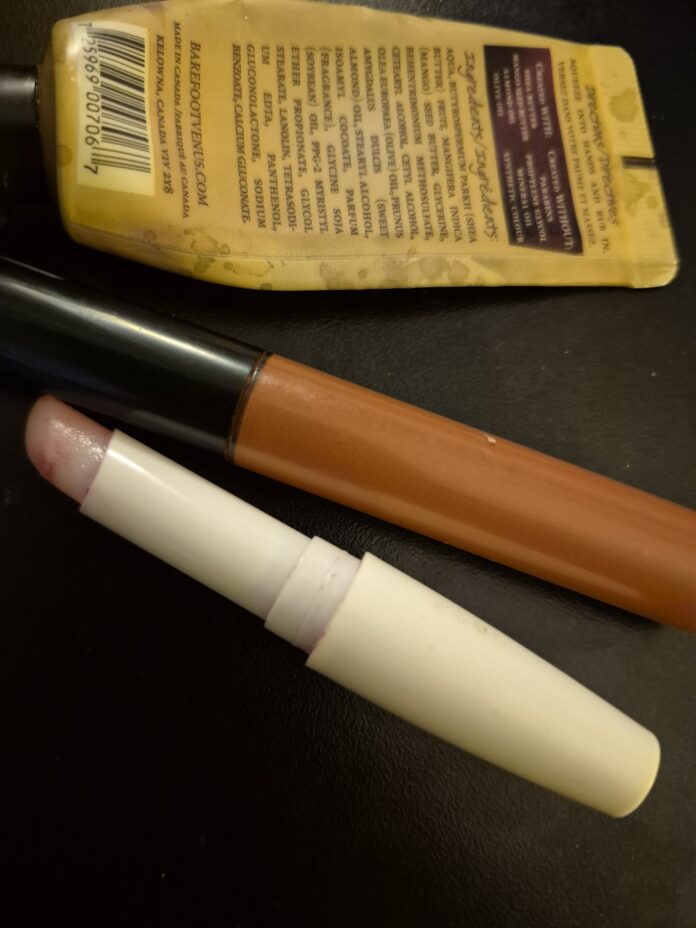
A viral trend called Project Pan, in which influencers and laypeople alike show off their well-used skin care products and makeup, is exploding on TikTok. The challenge is to “hit pan” – to reach the metal pan at the bottom of powder makeup like eye shadows and blushes, or to get every last drop out of bottles, jars and tubes – before buying more.

Pan videos are not new. They’ve existed for years on YouTube, and before pan videos, there were “Use It Up!” and Zero Waste challenges that encouraged the same type of mindful consumption. But the trend is getting a new day in the sun thanks to TikTok. Consider it the antidote to haul videos, where shoppers flash the spoils of their latest spree: Instead of whipping people into a buying frenzy, pan videos are about reducing consumption, and they turn that concept into a fun game.
There are safe ways to use an entire product – and safety should be top of mind (especially with mascara). “Project Pan isn’t about forcing products to work beyond their shelf life,” says Kerry Spindler, a paramedical aesthetician. “If a product smells badly, looks different or causes irritations, it’s time to throw it out.”
If you want to give Project Pan a try, or if you just want to know how to get every last drop out of makeup, skin care, hair care and other personal grooming products, these tips will help you make the most of your products and keep you safe.
ADVERTISEMENT

– – –
How to extend the life of makeup and skin care products
Store them properly
To extend the lifespan of products by preventing them from drying out or separating, “keep makeup away from heat, sunlight and humidity,” says Maria Jones, a makeup and beauty expert at CoverClap.
When purchasing products with longevity in mind, packaging matters. “Look for products that are in airtight packaging – jars with wide mouths are one of the least airtight – and leave products in the manufacturer’s packaging until you are planning to use them,” says Alicia Zalka, a board-certified dermatologist and founder of Surface Deep.
– – –
Use clean tools, including hands
“It is crucial to regularly clean brushes and tools; dirty tools introduce bacteria, which can shorten the lifespan of the product,” Jones says. In addition, “avoid using dirty hands, as they can introduce bacteria,” says Valerie Aparovich, a biochemist and cosmetologist-aesthetician at OnSkin.
– – –
How to get every last drop out of bottles and jars
“When a bottle-based product starts to run out,” says Aparovich, “invert it and store it upside down on a clean tissue or paper towel. It allows gravity to pull the product toward the opening, and it’s also the safest solution because it’s noninvasive.”
If the bottle has a cap that can be unscrewed, remove the inner dip tube and pour the remaining product into clean hands, “or use a longer sterile medical pipette to reach the residue on the bottom,” Aparovich says.
– – –
Help for tubes
To access remaining product at the bottom of a tube that cannot be squeezed out, “cut the tube open and scrape out the remaining product using a sanitized silicone spatula or dropper,” Aparovich says. “If the tube is tall, a diagonal cut gives you easier access to a larger surface area.”
– – –
How to find the hidden treasure in sticks
“To get every bit of product and usage out of stick foundations, contour sticks, stick concealers and lipsticks,” says Scott Barnes, a celebrity makeup artist and founder of Scott Barnes Cosmetics, “go below the base. Once I have hit the bottom, I take the square end of a double-ended metal [makeup] spatula to scoop out the rest of the product; there is about 30 percent more product in there that most people just unknowingly toss out.”
– – –
A trick for lip glosses
“Some lip gloss tubes have a rubber squeegee at the neck that wipes off excess gloss when you pull out the wand. You can remove this piece with your fingernail to access the remaining gloss before throwing the tube away,” Aparovich says.
– – –
How to repair and restore broken or dried-up products
Use saline to reconstitute dried-up products
To reconstitute mascara or cream products like tinted moisturizer and foundation that have gotten dry, Jones says to use a few drops of sterile saline or contact lens solution, “which can restore the texture for a little longer and keep them safe to use.”
A note about mascara: It’s highly prone to developing bacteria and therefore has a short lifespan (technically three months after opening). While saline can restore dried mascara, the reconstituted product should be used one to three more times before being thrown away, because the consequences of using a contaminated mascara wand can be quite serious.
– – –
Re-press broken powders with rubbing alcohol
“I often re-press broken eye shadows or blushes by using a clean tool to mix in a little rubbing alcohol. Once they are dried, they nearly work like new,” Jones says.
– – –
Fix cakey, hardened powders with tape
To fix compact powders that are cakey or uneven, or that have a hardened top layer, “carefully press clean packaging tape against the surface to restore its original texture,” Aparovich says.
– – –
Use low heat to restore lipstick and cream blushes
“Dried-out cream blushes and lip products can sometimes be made soft again by gently warming them between the fingers,” Jones says, “and lipsticks can be melted and mixed into custom colors in small palettes.”
– – –
Signs that makeup or skin care products are unsafe to use
“The risk of using old or expired makeup can be grouped into two categories,” Zalka says. “One, efficacy and consistency. And two, contamination.”
Any changes you notice in a product’s appearance, Aparovich says, “indicate that the formula may be compromised. These signs can point to ingredient breakdown, bacterial growth or emulsion destabilization,” and often indicate that the product should be discarded.
“Contamination is a more concerning occurrence [than efficacy], as it could cause skin irritation or, worse, a skin infection,” Zalka says. “This is particularly the case for products without preservatives and ones that are used around mucous membranes [nostrils, lips, eyelids].” Zalka provided a list of signs that indicate a makeup or skin care product has come to the end of its lifespan:
– The color has changed – although she notes that some products, including ones containing vitamin C, may darken with time and are still fine to use.
– The product’s texture has changed, such as becoming too liquid or significantly thicker than its original state.
– There is cracking, flaking or a dried-out appearance.
– There is visible separation of ingredients that were once well mixed, and shaking vigorously does not correct it.
– There is a distinct odor or change in fragrance.
– The product was exposed to damp conditions, sunlight or heat for an extended period.
– There is a film on the surface or what looks like mold.
– You’re just not sure.
– – –
A few last tips from the experts
Consider repurposing products
“Not all skin care products work for everyone or feel good on the skin, but you can consider repurposing a facial moisturizer as a décolleté cream, or using a body cleanser that feels too harsh for your skin to wash your cosmetic brushes instead,” Aparovich says.
– – –
Or play Pat McGrath!
Turn powder blushes and eye shadows that have hit pan, have crumbling edges or that have broken into tiny pieces into “a blush balm that you can also dab on lips for a blurred, just-kissed lip look,” Barnes says. Here’s how: “Get a little plastic travel jar, dump all of the powder product in there and use a clean metal makeup spatula to break up any larger pieces. Take a pea-size amount of Aquaphor and mix it into the broken pigment.”
– – –
Finally, buying less can just mean buying smaller
Project Pan encourages mindful consumption, a large part of which begins at the point of purchase. “Purchase makeup in small sizes to minimize risk of keeping it too long or falling out of love with it,” Zalka says, adding a relatable truth about the human condition: “We are fickle.”