

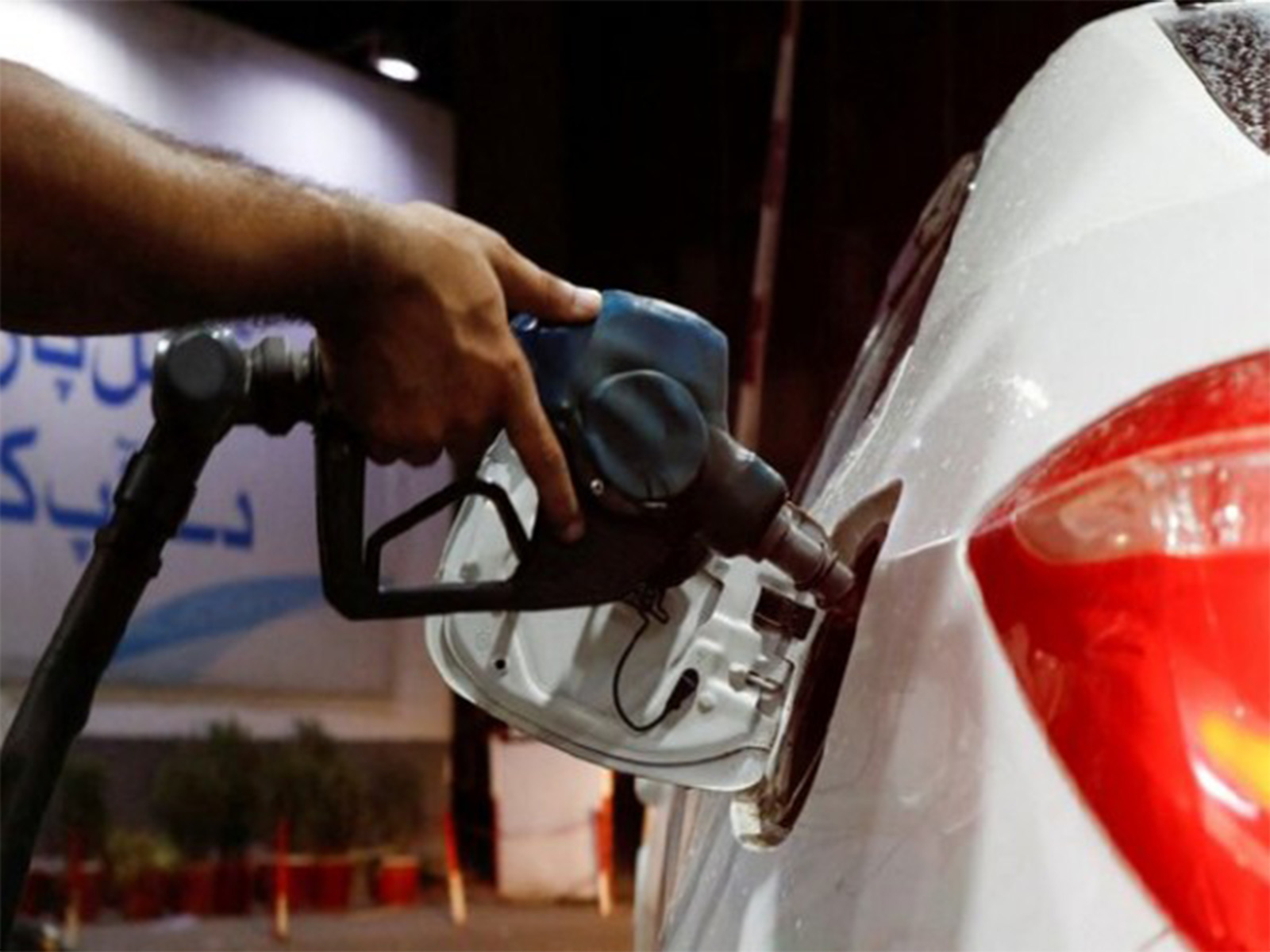
Rawalpindi [Pakistan], September 10 (ANI): A fresh surge in petrol and diesel prices has triggered an immediate increase in transportation costs across Rawalpindi, placing additional pressure on already burdened citizens and pushing up the prices of essential goods, as reported by The Express Tribune.
According to The Express Tribune, goods transporters have raised freight charges by around 15 per cent, while local public transport operators have increased the minimum stop-to-stop fare from PKR 50 to PKR 60.
Inter-city and inter-district fares have reportedly gone up by 10 per cent, while passengers travelling on long-distance routes are facing increases of nearly 12 per cent. The higher cost of moving goods has also begun affecting food prices.
Essential commodities have seen increases of around 15 per cent, while flour dealers across the district have raised delivery charges.
As a result, flour prices have increased by as much as PKR 5 per kilogramme in some areas. The latest fare increases have intensified tensions between passengers and transport operators.
School, college and university pick-and-drop services, along with office transport, have reportedly become PKR 500 to PKR 1,000 more expensive, further increasing monthly household expenses. Citizens have criticised the district administration and Regional Transport Authority (RTA), alleging that authorities have failed to enforce official fare structures effectively.
Many public transport vehicles reportedly operate without visible official fare charts, leaving passengers dependent on fares determined by conductors and operators.
Freight costs have also reached alarming levels. The rate for containers and heavy goods vehicles travelling between Karachi and Peshawar has reportedly climbed to as much as PKR 800,000. The Transport Federation has protested against what it described as repeated and frequent fare increases, as cited by The Express Tribune.
Motorcycle ride-hailing services have also reportedly become more expensive following the latest fuel price adjustment. Concerns surrounding daily revisions in petroleum prices, which have made fare regulation increasingly difficult.
Transporters are accused of promptly increasing fares whenever fuel prices rise, while failing to reduce them proportionately when petroleum prices decline, as reported by The Express Tribune. (ANI)