

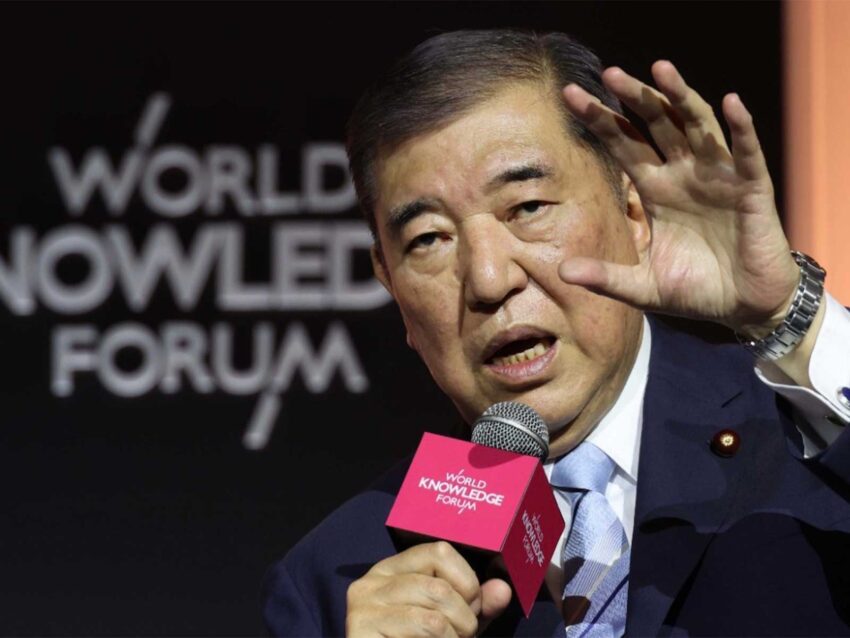
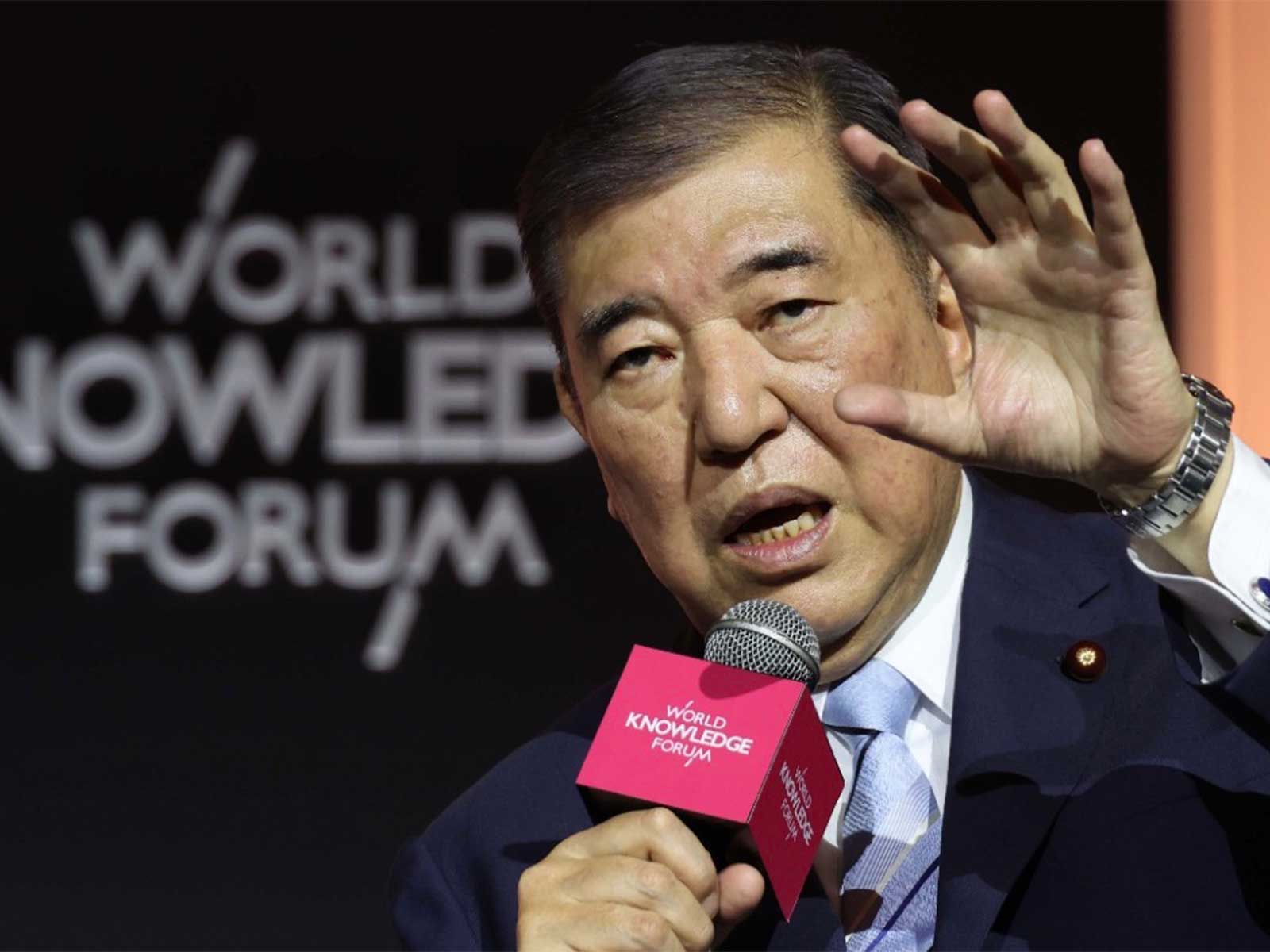
Seoul [South Korea], September 9 (ANI): Former Japanese Prime Minister Shigeru Ishiba has called for stronger cooperation between South Korea and Japan, saying the two countries together could become the world’s third-largest economic and defence power.
Speaking at the 27th World Knowledge Forum in Seoul during a session on “The Future of Korea-Japan Relations”, Ishiba said South Korea and Japan, which share the core values of freedom, democracy and human rights, should build a “true partnership of equals”.
Ishiba said the combined strength of the two countries would rank third globally in terms of GDP and defence capability, while their combined population would rank ninth.
He stressed that closer cooperation could allow Seoul and Tokyo to make a greater contribution to the international community.
On the sensitive issue of history, Ishiba said Japan must confront the historical pain caused by the annexation of Joseon.
He also reiterated that he has not visited the controversial Yasukuni Shrine for 25 years and called for greater reflection on Japan’s wartime history as a prerequisite for building trust with South Korea.
On regional security, Ishiba proposed developing an “Asian NATO” framework linking existing alliances in the Indo-Pacific.
He also backed an Acquisition and Cross-Servicing Agreement (ACSA) as a practical starting point for greater security cooperation.
Commenting on South Korea’s pursuit of nuclear-powered submarines, Ishiba said Seoul has sufficient capability to strengthen its self-reliant defence and help reduce the security burden on the United States.
He called for substantive consultations among South Korea, the US and Japan to prepare for a possible simultaneous crisis in the Taiwan Strait and Korean Peninsula.
Ishiba also called for stronger economic and people-to-people exchanges between the two countries, including cooperation in semiconductors and artificial intelligence.
He suggested joint efforts to address common challenges such as low birth rates, ageing populations and excessive concentration in capital regions. (ANI)