

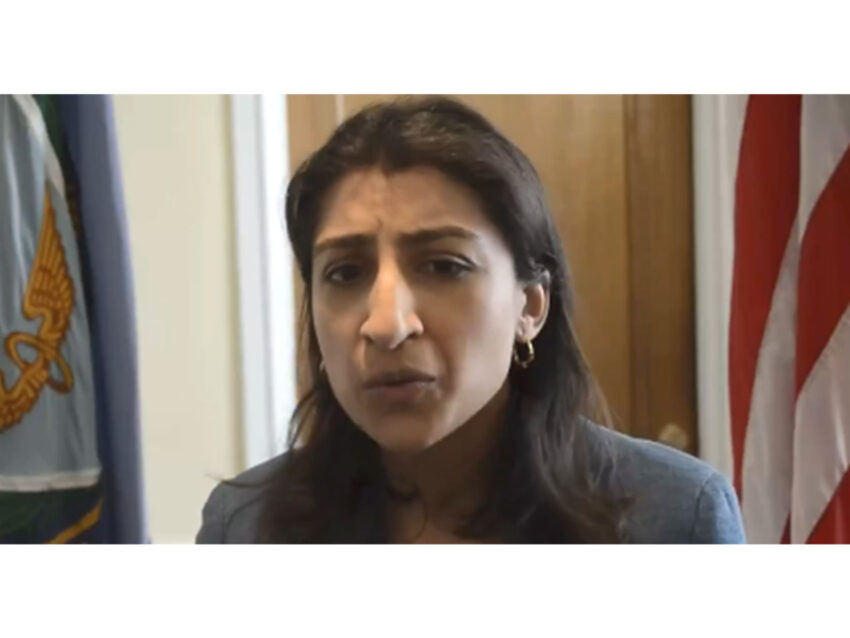
New Delhi [India], September 14 (ANI): Existing US laws already give authorities powers to hold artificial intelligence (AI) companies and their executives accountable for releasing dangerous, untested or defective products, former US Federal Trade Commission (FTC) Chair Lina Khan said, stressing that AI firms are not exempt from laws already in place.
In a post on social media platform X, Khan said discussions around creating new regulations specifically for AI should not distract policymakers and regulators from enforcing existing laws.
“Law enforcers already have authority to charge companies and their CEOs for creating and releasing dangerous, unvetted, or defective products. We shouldn’t let discussions about new legal regimes distract from the fact that there’s no AI exemption from laws already on the books,” Khan said.
She said existing consumer protection laws could apply to companies that release AI models or agents without adequate testing and safeguards.
“Shipping flawed AI tools without implementing adequate measures to detect and stop rogue or defective AI agents can be an ‘unfair or deceptive’ act or practice under the FTC Act (and analogous state laws),” she said.
Khan added that some state attorneys general are already exploring whether AI companies and their executives could be held criminally liable when their models are involved in criminal activity.
She also highlighted competition concerns in the AI sector, saying existing laws prohibiting “unfair methods of competition” could apply when AI companies use competitively sensitive information belonging to their customers, including information gathered by tracking their use of different tools.
According to Khan, the highly concentrated and interconnected nature of the AI industry could also create risks and conflicts of interest. She said federal and state authorities should examine partnerships and cross-investments between companies across the AI ecosystem.
“Both federal and state enforcers should be scrutinizing these opaque relationships and inter-dependencies. We are already seeing how these relationships could undermine accountability,” Khan said.
Khan also flagged cybersecurity risks as AI tools reshape the threat landscape, saying companies should strengthen basic security protections. Businesses that fail to invest in adequate data security or address known vulnerabilities could also be violating existing laws, she said.
She noted that during her tenure, the FTC took action against companies over poor data security practices and held chief executives liable when they were personally responsible.
On possible new AI regulations, Khan said policymakers should draw lessons from previous efforts to regulate major sectors such as banking, networks, platforms and utilities. Measures including structural separation, nondiscrimination requirements and supervision could play a role in future AI regulation, she said.
However, she stressed that the development of new AI-specific rules should go alongside enforcement of laws that already apply to companies and their executives. (ANI)