

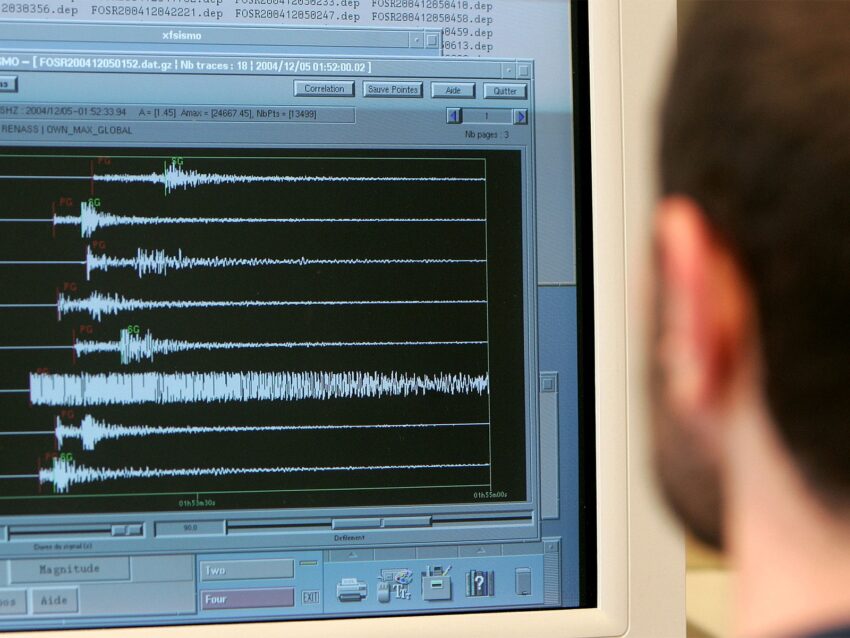
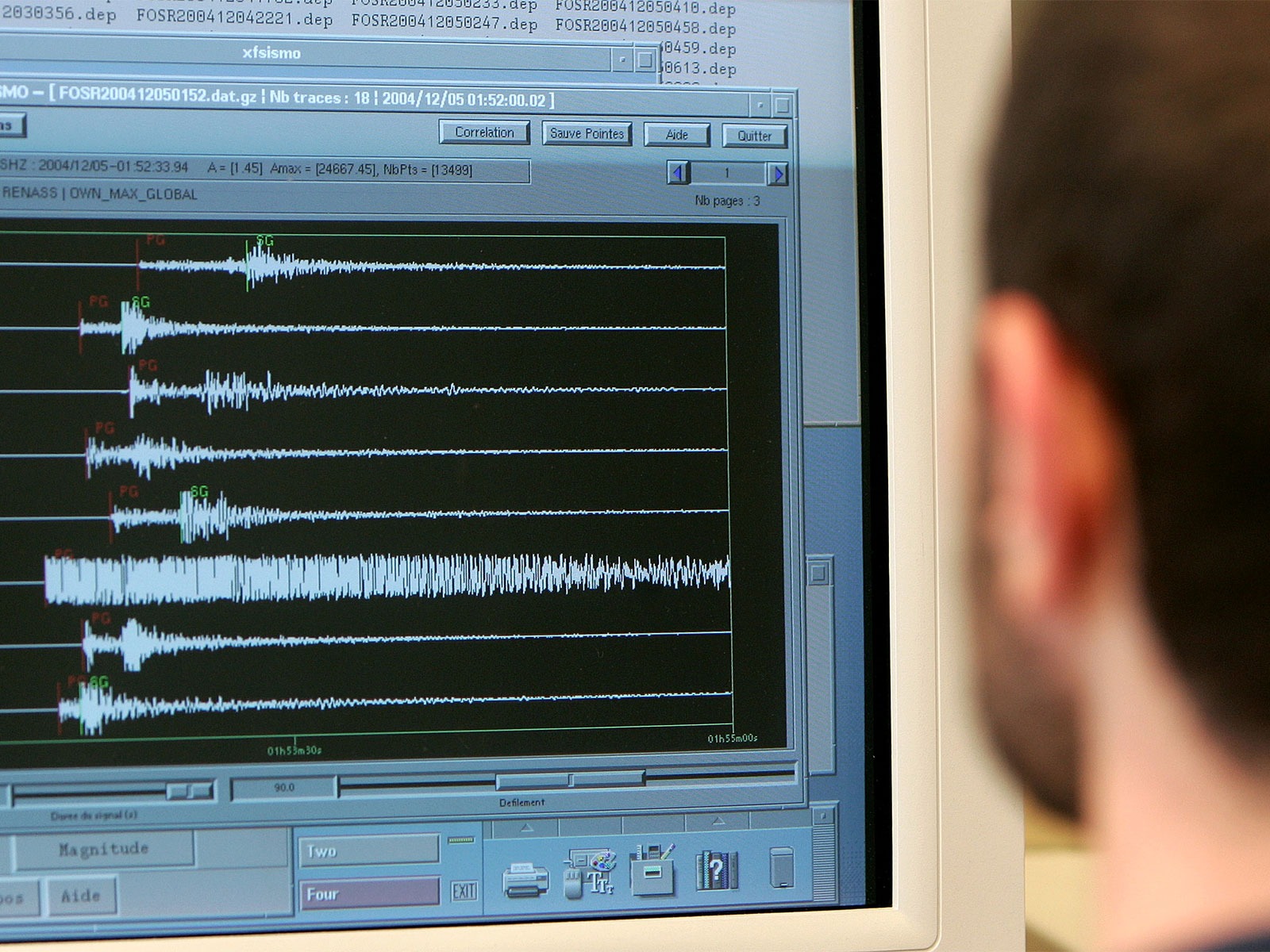
Beijing [China], October 19 (ANI): A moderate earthquake of magnitude 4.0 on the Richter scale struck China’s Xinjiang region late Sunday night, according to the National Centre for Seismology.
The seismic event occurred at 10:55 PM IST on October 18. According to the NCS, the epicentre was located at Latitude 36.683° N and Longitude 77.064° E.
The earthquake originated at a depth of 190 kilometres beneath the Earth’s surface, classifying it as an intermediate-to-deep focus quake. Due to the significant depth of the epicentre, surface tremors were likely muted across the region.
In a post on X, NCS wrote, “EQ of M: 4.0, On: 18/10/2026 22:55:26 IST, Lat: 36.683 N, Long: 77.064 E, Depth: 190 Km, Location: Xinjiang.”
EQ of M: 4.0, On: 18/10/2026 22:55:26 IST, Lat: 36.683 N, Long: 77.064 E, Depth: 190 Km, Location: Xinjiang. For more information Download the BhooKamp App https://t.co/5gCOtjdtw0 @DrJitendraSingh @OfficeOfDrJS @tummalasrini @GSuresh_NCS @ndmaindia https://t.co/b2rDTc712t
— National Center for Seismology (@NCS_Earthquake) October 18, 2026
ADVERTISEMENT

No immediate reports of casualties or major structural damage have been received. Local emergency management agencies are monitoring the situation.
Earlier in July, an earthquake of magnitude 4.1 struck China on Saturday, according to the National Centre for Seismology (NCS).
As per the NCS, the shallow earthquake occurred at a depth of 10 kilometres in the afternoon on July 4th.
“EQ of M: 4.1, On: 04/07/2026 15:59:19 IST, Lat: 26.550 N, Long: 98.783 E, Depth: 10 km, Location: China,” NCS said on X.
It occurred near the border with Myanmar.
Shallow earthquakes are generally more dangerous than deep earthquakes. This is because the seismic waves from shallow earthquakes have a shorter distance to travel to the surface, resulting in stronger ground shaking and potentially more damage to structures and greater casualties.
China’s geographical position makes it highly prone to frequent seismic activity.
It is located between the two largest seismic belts, the circum-Pacific seismic belt and the circum-Indian seismic belt.
Squeezed by the Pacific plate, the Indian plate and the Philippine plate, the seismic fracture zones are well developed in this region.
Since the beginning of the 20th century, more than 800 earthquakes of magnitude 6 or greater have occurred in China.
Earthquakes have struck almost all provinces, municipalities, and autonomous regions, except for Guizhou, Zhejiang, and Hong Kong.
Since 1949, more than 100 destructive earthquakes have occurred across Chinese provinces, municipalities and autonomous regions, 14 of which are in East China.
These earthquakes have caused the deaths of more than 2,70,000 people, representing 54 per cent of the total death toll caused by natural disasters in China.
The earthquake-stricken districts cover an area of 3,00,000 square kilometres, with more than 7 million rooms destroyed.
Experts note that earthquakes and other natural disasters continue to pose major challenges to China even in peaceful times. (ANI)