

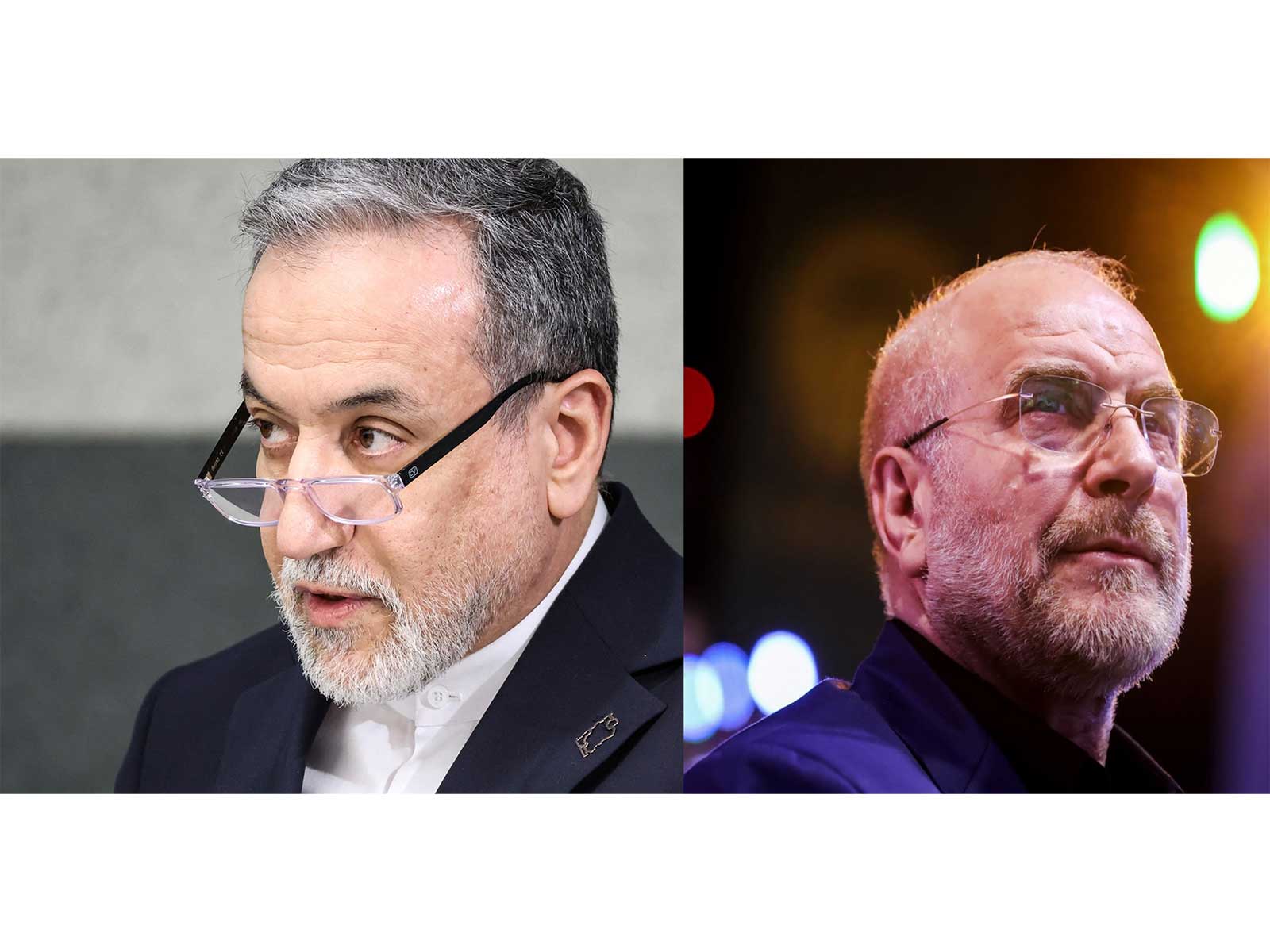
Tehran [Iran], July 23 (ANI): Iranian Foreign Minister Seyed Abbas Araghchi warned that any aggression against Iran, including that against the country’s infrastructure, would be met with a “decisive response” and those contributing to it will also be considered as “legitimate targets”.
The sentiment was also echoed by the Parliament Speaker Mohammad Bagher Ghalibaf and Iran’s Khatam al-Anbiya Central Headquarters– all of whom warned of a “decisive action.”
In a post on X, Araghchi said, “Our defense doctrine is clear: eye for an eye. Any aggression against Iran, including our infrastructure, will compel a powerful and decisive response. Those who contribute to such aggression, whatever the kind of support, will also be considered as legitimate targets.”
Our defense doctrine is clear: eye for an eye.
Any aggression against Iran, including our infrastructure, will compel a powerful and decisive response.
ADVERTISEMENT
Those who contribute to such aggression, whatever the kind of support, will also be considered as legitimate targets.
— Seyed Abbas Araghchi (@araghchi) July 22, 2026

Meanwhile, Iranian Parliament Speaker Mohammad Bagher Ghalibaf said that if Iran’s security is not ensured, then none of the infrastructure would be safe and reiterated that the situation of the Strait of Hormuz would not return to pre-war conditions.
He said on X, “The equation of this war is clear: either all or none! In a region where we do not sell oil, no one will sell oil. If our security is not ensured, no infrastructure will be safe, and the security of the strait is in the absence of American forces. We have repeatedly said that the situation of the strait will not return to pre-war conditions.”
معادلهٔ این جنگ مشخص است: یا همه یا هیچکس!
در منطقهای که ما نفت نفروشیم، کسی نفت نخواهد فروخت. اگر امنیت ما تأمین نشود، هیچ زیرساختی ایمن نخواهد بود و امنیت تنگه در نبود نیروهای آمریکایی است. بارها گفتهایم که وضعیت تنگه به قبل از جنگ باز نمیگردد.
— محمدباقر قالیباف | MB Ghalibaf (@mb_ghalibaf) July 22, 2026
As developments follow, Iranian state broadcaster Press TV reported that Iran’s Khatam al-Anbiya Central Headquarters said that the Strait of Hormuz remains closed, and if any vessel is to pass through the Strait, it must only do so via the designated route and in accordance with the previously announced arrangements.
According to Press TV it further warned that if America’s threats against Iran’s civilian infrastructure are carried out, the armed forces will not allow even a single drop of oil to be exported, and the oil, gas, electricity, and economic infrastructure of the region will be targets.
“Iran’s Khatam al-Anbiya states that the repeated threats of the US and its terrorist military will have no result but the expansion of war in the region and even beyond,” Press TV added.
Meanwhile Speaking to reporters on Wednesday, Trump maintained that public support remains steadfast, contending that domestic concerns stem primarily from surging fuel prices rather than opposition to the military campaign.
“They’re going to pay a big price; they’re being decimated,” Trump said, referring to Iran.
When asked about public backing for the joint US-Israel operations against Iran as American military fatalities continue to climb, Trump responded, “Well, Americans aren’t against the war.”
This follows his recent threat to escalate military actions against Tehran, warning that Washington would target one Iranian bridge or power plant for every strike directed at commercial vessels navigating the Strait of Hormuz.
“Any time the Islamic Republic of Iran shoots at a ship in the Strait of Hormuz, whether it be by Missile, Rocket, Drone, or any other device or weapon, the United States will bomb and destroy ONE BRIDGE OR POWER PLANT,” Trump wrote on social media.
Signalling that Washington has no immediate intention of wrapping up the operation, he stated on Tuesday, “We’re not finished at all… we’re not leaving right now.”
The escalation comes amid ongoing clashes around the strategic Strait of Hormuz, triggered by Iran’s renewed maritime blockade targeting commercial vessels, which has disrupted global oil transit. The maritime tension has driven Brent crude prices sharply higher, increasing economic pressures on the White House amid soaring fuel costs at home.
The military operation has also imposed a substantial financial burden. US Secretary of War Pete Hegseth stated this week that the campaign has accumulated costs of USD 37.5 billion, as he defended the administration’s request for tens of billions of dollars in emergency military appropriations.
Even as presidential rhetoric intensifies, senior administration diplomats continue to express willingness to pursue diplomatic solutions. US Secretary of State Marco Rubio, speaking in Manila, reiterated that Washington remains open to negotiations with Tehran, though he expressed doubt regarding Iran’s commitment to diplomatic engagement.
“We remain open to working it out in a negotiated way. But right now, they don’t seem to be serious about that,” Rubio said. (ANI)