

New Delhi [India], May 28 (ANI): The All India Institute of Medical Sciences (AIIMS), New Delhi, and the Centre for Development of Advanced Computing (C-DAC) have jointly developed ‘iOncology.ai’, an indigenous AI-powered oncology platform designed to support early detection, diagnosis and treatment planning for breast and ovarian cancers in India.
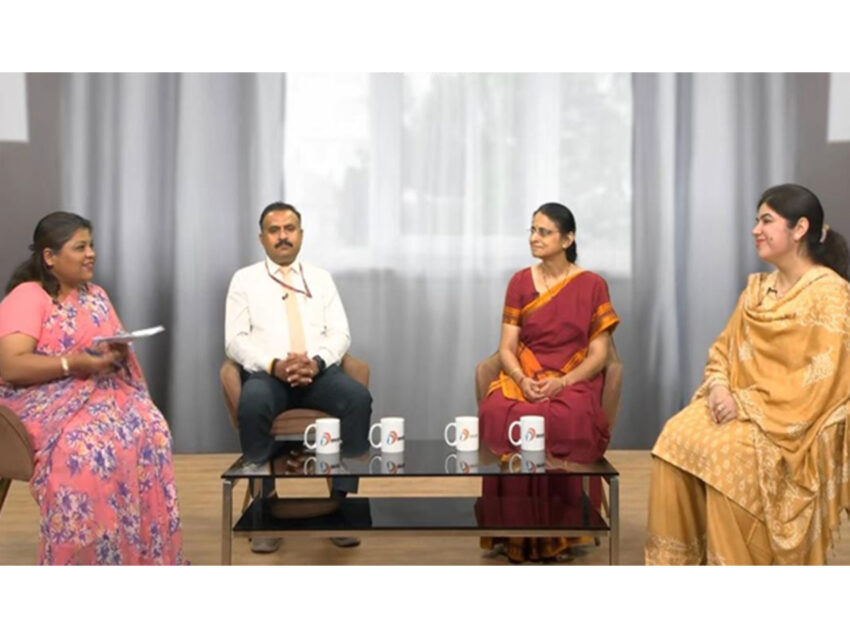
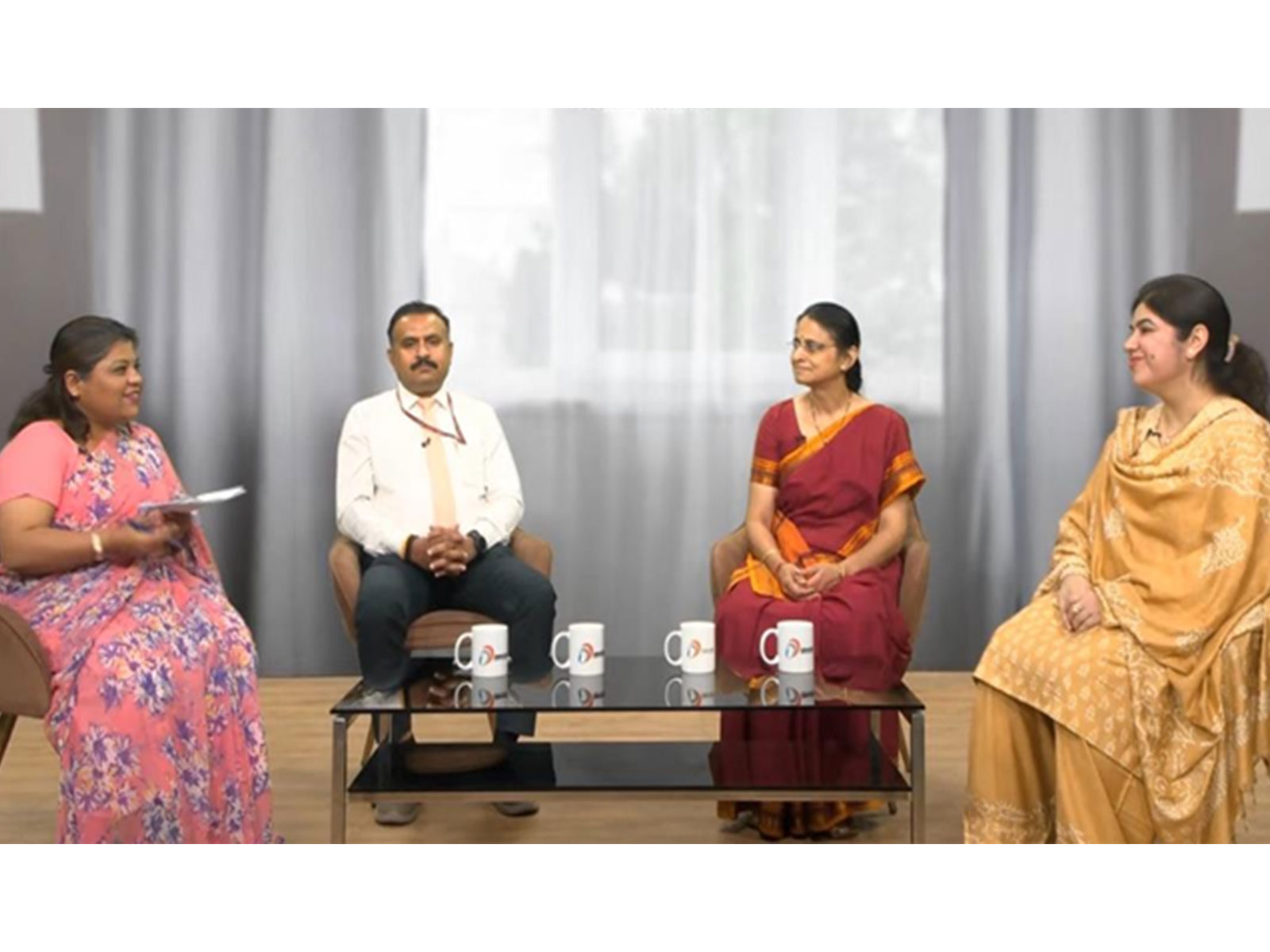
According to a release, the platform was showcased during the latest episode of Digital India Ask Experts, a live interactive programme streamed on Digital India’s YouTube channel.
iOncology.ai has been developed as an India-centric solution aimed at assisting clinicians, pathologists and radiologists through AI-driven data insights to enable faster and evidence-based clinical decisions, the release stated.
The episode featured Lakshmi Panat, Program Director, AI & Quantum Technology Group and Technology Director for AI at C-DAC; Prof Ashok Sharma from the Department of Biochemistry and Professor in-charge of Neurobiochemistry at AIIMS New Delhi; and Dr Fouzia Siraj, Scientist E and Head of Pathology at the ICMR-Centre for Cancer Pathology, New Delhi.
The experts discussed how indigenous digital innovations are helping transform healthcare delivery and advance precision-based cancer care in the country.
According to the release, the platform has been integrated with the Ayushman Bharat Digital Mission (ABDM) ecosystem, bringing patient data into a secure unified dashboard with role-based access for healthcare professionals.
The experts highlighted that the platform aims to address increasing pressure on healthcare systems caused by rising patient loads, delayed diagnosis and limited medical resources by streamlining diagnosis support and improving access to clinical insights.
The release stated that close collaboration between oncologists, doctors, pathologists and AI technologists played a key role in building clinically relevant AI models trained on annotated Indian medical datasets.
The programme also highlighted features such as telepathology, which can help improve healthcare access in remote and smaller districts by enabling specialists to support diagnosis and consultations digitally.
According to the release, the future roadmap for iOncology.ai includes work on “digital twin” technology to create software-based patient models for studying treatment responses, along with integration of multi-omics data to enable more personalised cancer care.
The experts also stressed the importance of early cancer detection and advised citizens against relying on self-medication or generic AI tools for healthcare-related decisions without consulting qualified medical professionals. (ANI)