

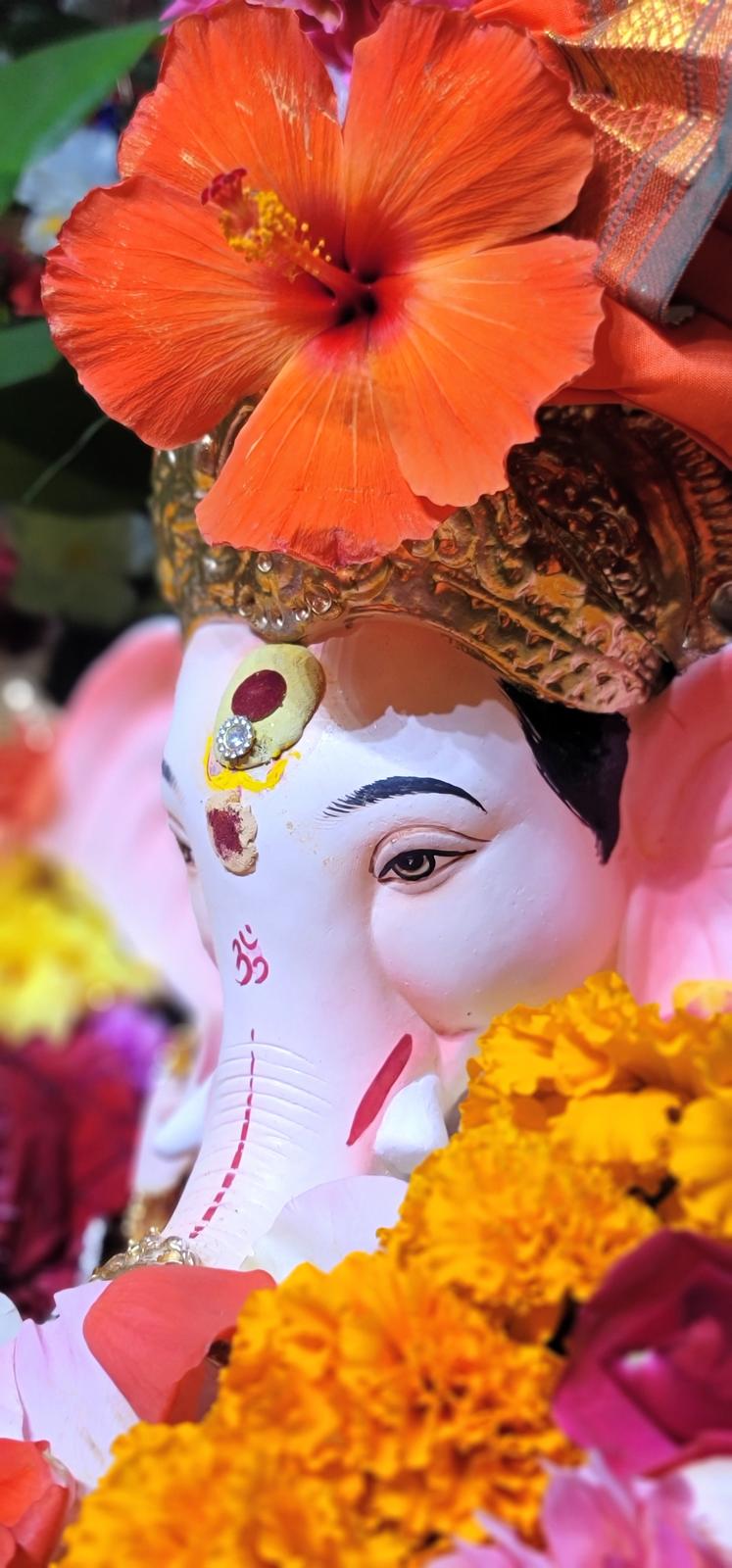
Devotion, Culture, Mahaprasad and Indian Performing Arts

The Philadelphia Ganesh Festival at Bharatiya Temple in Montgomeryville, PA, concluded its 2026 celebration September 25, after nearly two weeks of devotion, cultural programming, music, dance, drama, community service, and fellowship. The festival began on September 14, bringing together devotees and families from across Greater Philadelphia and neighboring states.

A major feature of this year’s celebration was the festival’s extensive daily cultural programming. From groups of artistes and performers to large-scale stage productions, the festival catered to all age-groups and tastes.
Artists and performers came from different states and regions of India, as well as from across the United States presenting the diversity of India’s cultural heritage.
ADVERTISEMENT

According to Dr. Ravi Murarka, Executive Trustee of Bharatiya Temple, one of the festival’s most important purposes is to create a living connection between generations.
“The Philadelphia Ganesh Festival is not only a religious celebration. It is also a platform where our children and younger generations can experience India’s spirituality, culture, music, dance, food, and traditions firsthand. At the same time, we are able to share the richness and diversity of Indian culture with the broader American community,” Murarka is quoted saying in a press release.

Throughout the festival, volunteers and community families prepared fresh Mahaprasad for approximately 900 to 1,000 devotees each day. The effort required extensive coordination, food preparation, cooking, serving, and cleanup, all carried out through seva and community participation, with different community groups and families taking on the responsibility each day. Among them was the Ashtavinayak Group, consisting of eight families, who came together to cook and serve Mahaprasad.
For the festival’s final day and Ganesh Visarjan on September 25, organizers prepared for a much larger gathering, with approximately 2,500 to 3,000 devotees expected to attend, the press release said.
The festival featured Rajasthani folk music and dance, including performances inspired by Rajasthan’s Manganiyar traditions; From Kerala, audiences experienced Panchari Melam, a powerful traditional percussion ensemble featuring instruments such as Chenda, Ilathalam, Kombu, and Kuzhal; Carnatic and Hindustani classical music, Veena performances, devotional music, Shehnai, tabla, pakhawaj, harmonium, and contemporary musical programs; Kathak, Kuchipudi, folk, contemporary Indian dance, and Bollywood traditions. The Mudra Dance Festival and other stage programs brought together dancers and cultural organizations from throughout the region.
Children and youth participated through Children’s Ganesh Pujan, the Ganarang Dance Competition, youth performances, and cultural presentations, giving younger generations opportunities to actively experience Indian traditions.
Among the theatrical production, was “Narakasura Vadha — The Triumph of Light Over Darkness,” a Kuchipudi dance-drama portraying the traditional story of Lord Krishna, Satyabhama, and Narakasura. Through classical dance, acting, music, costume, expressive storytelling, and theatrical staging, the production conveyed the timeless message of the triumph of light over darkness and dharma over adharma.
The production brought together performers associated with Sri BalaTripura Sundari Kuchipudi Natya Kalakshetram of Hyderabad and Nataraja Performing Arts of Pennsylvania, demonstrating how classical Indian performing traditions continue to flourish both in India and the United States.
Among the musical programs was a Bollywood Summer Jam, classical vocal and instrumental presentations, devotional performances, Carnatic Veena music, and tributes to legendary playback singer, the late Asha Bhosale andSuman Kalyanpur.
More than 80 vendor stalls operated through the 14 days, featuring Indian food, shopping, children’s activities, entertainment, cultural programs, and community interaction.
Traditional processions, Dhol-Tasha, religious ceremonies, Ganesh Vivah, Maha Abhishekam, and Aarti were part of the busy, daily activities.