

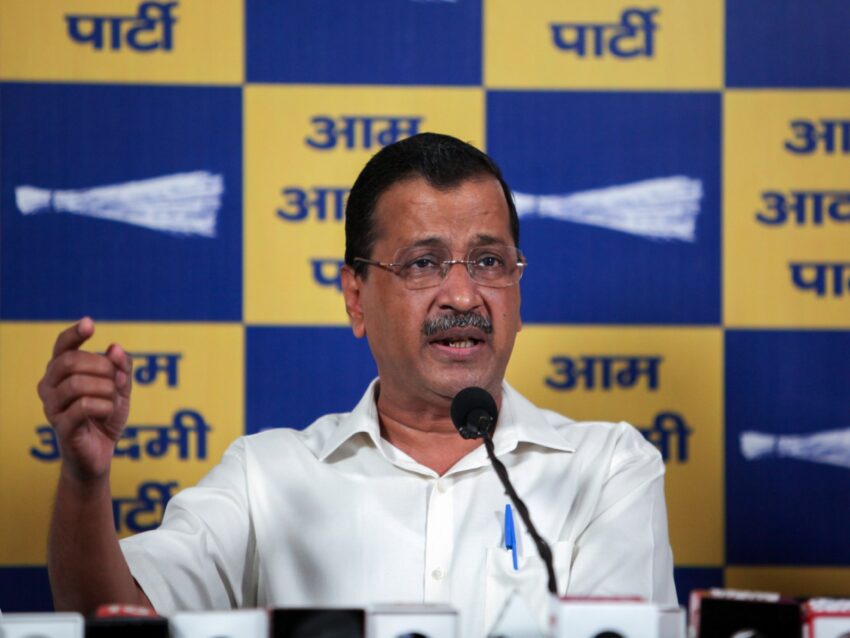
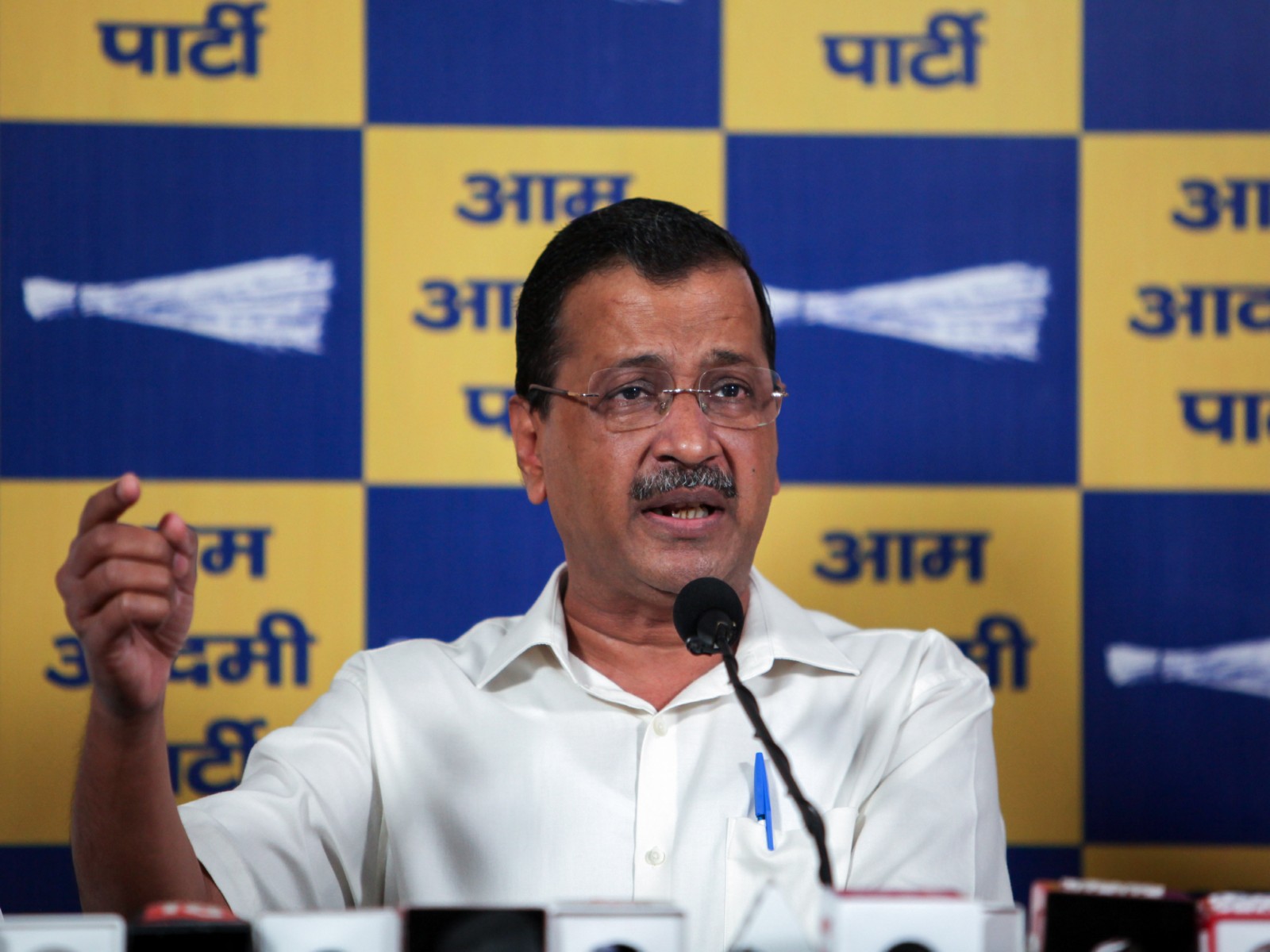
New Delhi [India], March 24 (ANI): Former Delhi Chief Minister and AAP Convenor Arvind Kejriwal on Monday hit out at the Centre over the impact of the West Asia conflict on India’s energy security and stock market, asking why the government was “caught unprepared”.
In an X post, Kejriwal questioned the government over adequate arrangements amid a crisis hitting the country.
He wrote, “The Modi government has completely failed to handle the crisis triggered by the war in the Middle East. The stock market is crashing, LPG shortages have forced many businesses to shut down, people are queuing for cylinders in scorching heat, migrant workers have been left without livelihoods, and the rupee is touching record lows.”
“The entire world knew the war could break out at any moment. Why was the Modi government caught unprepared? Why didn’t we make adequate arrangements and secure alternative supplies well in advance? Why is every crisis passed on to the people? Why must the common man suffer because of this government’s failures?” the AAP leader asked.
This comes after Prime Minister Narendra Modi addressed the Lok Sabha to brief members on the developments in West Asia and their potential impact on India, describing the situation as “worrisome”.
Meanwhile, Congress MP Abhishek Manu Singhvi asked the Centre to consult the Opposition and stakeholders to address the situation.
Singhvi said, “To be united, you have to reach out. You have to involve us and think of us as equal stakeholders. Have you disclosed all the variables that are creating this crisis?”
Earlier today, PM Modi assured the nation that the Centre has made adequate arrangements for fertilisers amid concerns over imports due to the West Asia conflict, saying that the government has never “allowed the burden of global crises to fall on farmers.”
Addressing the Lok Sabha, PM Modi assured the nation that adequate coal stocks are present to generate electricity as the summer season approaches in India.
He added that India has diversified its energy imports in the last 11 years, assuring the public of adequate crude oil and gas supplies.
The Prime Minister said, “A major question is – what will be the impact of the war on agriculture? The farmers of our country have filled our grain reserves. Therefore, India has adequate food stocks. It is also our endeavour that sowing for the Kharif season takes place properly. The government has made adequate arrangements for fertilisers to deal with such situations. In the past as well, our government did not allow the burden of global crises to fall on farmers. In the last decade, six urea plants have been commissioned, adding 76 lakhs metric tonnes of capacity of urea.”
There were concerns around the supply of fertilisers for farming, as India depends on West Asia for a major part of its imported fertilisers. Earlier in March, QatarEnergy had announced that it is stopping the production of some downstream products in the country, including urea, polymers, methanol, aluminium and other products amid the ongoing conflict in the region.
Addressing the “major challenge” of electricity production, PM Modi said, “Another major challenge of the war is that the summer season is beginning in India. In the coming days, with rising temperatures, the demand for electricity will increase. Currently, adequate coal stocks are available at all power plants across the country.”
The Prime Minister made a statement against the backdrop of escalating tensions and conflict that began on February 28 with the killing of 86-year-old Iran’s Supreme Leader, Ayatollah Ali Khamenei, in joint military strikes by the US and Israel. In retaliation, Iran targeted Israeli and US assets in several Gulf countries and Israel, causing disruption in the waterway and affecting international energy markets and global economic stability.
The US President, today, announced that he had instructed the US Department of War to delay any military action against Iranian power plants and energy sites for five days, citing ongoing diplomatic engagements with Tehran amid escalating tensions in West Asia.
He also said the Strait of Hormuz, a vital global shipping route, will be “open very soon” and the US and Iran will “jointly” control the critical shipping and global energy route. (ANI)