

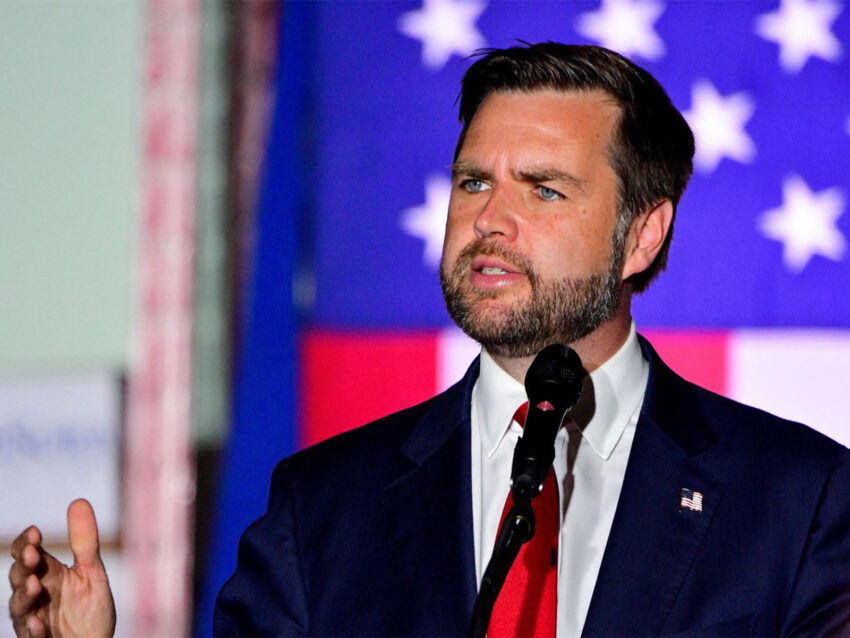
Washington, DC [US], April 2 (ANI): US Vice President JD Vance has informed intermediaries acting between Washington and Tehran that President Donald Trump is “impatient” to secure an agreement to conclude the ongoing hostilities, according to a report by CNN.
Sources familiar with the matter told CNN that the Vice President issued a “stern message” intended for Iranian leadership. He warned that there would be “increased pressure” on the country’s “infrastructure sites” “unless the Iranians made a deal.”
The tension follows previous threats from President Trump to strike critical civilian targets, such as water desalination plants and power facilities, if Tehran refuses to permit the passage of oil tankers through the Strait of Hormuz. Such rhetoric has prompted allegations that the administration is contemplating “war crimes,” while sparking international concern that Iran might retaliate against similar installations across the Persian Gulf.
According to CNN, Trump, who is scheduled to deliver a national address regarding Iran on Wednesday, tasked Vance with communicating a “willingness to agree to a ceasefire,” provided that specific American demands are satisfied.
Among the primary conditions for a halt in military action is the unblocking of the Strait of Hormuz. Trump reiterated this stance in a social media post on Wednesday, insisting the strategic waterway must be reopened before the United States considers ending the war.
Responding to these American pressures, Iranian Foreign Minister Abbas Araghchi offered a candid assessment of the conflict involving his country, the US, and Israel. In an interview with Al Jazeera, he stressed Tehran’s stance on diplomacy and its readiness for military escalation.
Araghchi confirmed that direct communications with the US are ongoing via Washington’s special envoy, Steve Witkoff. However, he was emphatic that these exchanges do not amount to formal negotiations.
Dismissing claims from Western officials that talks were underway, Al Jazeera quoted Araghchi as saying: “I receive messages from Witkoff directly, as before, and this does not mean that we are in negotiations.” He added that there is “no truth to the claim of negotiations with any party in Iran” and noted that Iran has zero trust in the US due to its withdrawal from the 2015 nuclear deal.
Turning to the strategic deadlock over the Strait of Hormuz, Araghchi argued that the chokepoint lies within the territorial waters of Iran and Oman and should remain under their authority after the war.
While the US demands the waterway be unblocked, the Foreign Minister insisted that the current restrictions are lawful. He stated that while it remains open to most nations, it is closed to ships of countries at war with Iran, describing this as a standard measure for wartime maritime security.
His remarks, as reported by Al Jazeera, highlighted Iran’s intent to dominate post-war governance of the waterway, despite demands from Gulf states like Qatar to be included in such discussions.
On the prospect of further escalation, Araghchi dismissed the likelihood of a US ground invasion, asserting that Iran is fully prepared to defend its territory. He warned that any such assault would face fierce resistance, stating, “We are waiting for them.”
The Foreign Minister expressed confidence in Iran’s defence capabilities, adding, “I don’t think they’d dare to do such a thing. There will be a lot of strength waiting for them.” He voiced hope that Washington would avoid making such a “mistake.” (ANI)