

Dharamshala (Himachal Pradesh) [India], April 2 (ANI): Tibetan leadership and members of India’s strategic community came together in Dharamshala for a closed-door roundtable on “India-Tibet-China & the Shifting World Order,” focusing on the evolving geopolitical dynamics in the Indo-Pacific and their implications for regional security.
The roundtable was part of a broader orientation programme held from March 30 to April 2, organised by the Tibet Action Institute in partnership with the Asia Strategic Forum and Closed Door Policy Consulting. The initiative brought a delegation of Indian strategic thinkers and researchers to Dharamshala to engage with the Tibetan leadership and institutions.
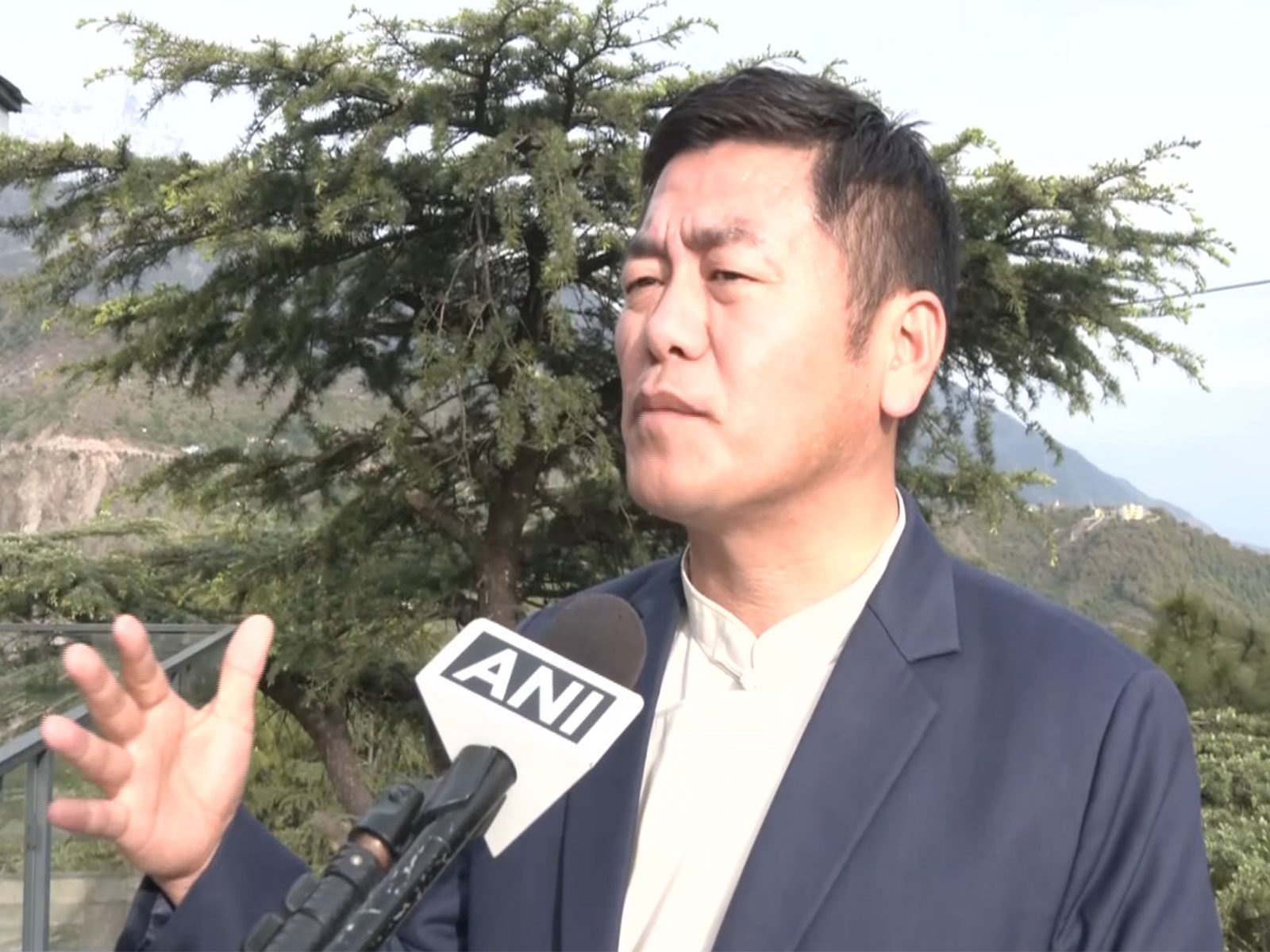
Dorjee Tsetan, programme director of Tibet Action Institute, told ANI that the objective was to deepen engagement between Indian scholars and the Tibetan government-in-exile. He said, “We have concluded the orientation programme for the eight leading Indian think tanks and scholars from New Delhi, and the objective is to connect with the Tibetan government in-exile leadership. And today we had a roundtable conference and invited Tibetan researchers, scholars and also activists so that we can have an informed discussion in terms of the Tibet-India-China relations.”
He highlighted that discussions covered a wide range of issues, including geopolitics, ecology, and security concerns. He said, “Most importantly, we wanted to have a greater presence in terms of the Delhi strategic community, so we had a very successful discussion on many issues, including how we can strengthen our relationship and understand that Tibet is at centre in terms of geopolitics that is happening in Indo Pacific region in terms of Tibet as well as India’s security.”
Tsetan further underlined concerns over environmental and military developments in Tibet. He stated, “We had a briefing from Tibetan scholars on the importance of Tibet’s ecology and China’s military construction inside Tibet and how it is a threat to the long-term security of India. We also discussed the issue of reincarnation, how China is asserting basically violating Tibetan religious rights and how His Holiness and Tibetan reincarnation are very important moving forward.”
Jyotsna Mehra, Co-organiser, told ANI that the programme aimed to bring together emerging Indian experts working across diverse fields. She said, “We actually handpicked the young analyst researchers from India’s leading think tanks and universities, who we think will contribute greatly to the question of Tibet- India relations in the future. These are people who are experts in a variety of areas, from critical minerals and AI to civilisational history and to India-China- Tibet relations and US foreign policy.”
She described the meeting as a crucial step toward fostering candid dialogue. Mehra added, “This was a crucial step to bring both the Tibetan side and the Indian side in one room four close door session for them to throw real and frank ideas with each other.”
Participants emphasised the growing importance of Tibet in India-China relations and future security considerations. Namrata Hasija told ANI, “We have gathered here to discuss how important the issue of Tibet is when it comes to not only India-China relations, but also India’s security in the future. We have already seen the Galwan Valley clash and the way the Chinese have behaved. There is a slight improvement after the agreement that has been signed, but personally, I feel there are issues pending and Chinese behaviour over the years has really taught us to always be on guard.”
She added that Tibet could remain a central issue in bilateral ties. “The Tibetan issue, I think, will be one of the most important issues that are going to crop up in the India-China relationship in the future. And China definitely will pressurise India to accept, probably the scenario that happens post Dalai Lama,” she said.
Another participant, Kamal Madishetty, described the engagement as a significant exchange of perspectives. “It’s been an amazing experience as we have been here for the last two-three days. Various scholars, think tankers from different universities and institutions and various organisations have gathered here in Dharamshala,” he told ANI.
Madishetty highlighted discussions on environmental degradation, strategic concerns, and human rights. “There was a very important mutual understanding, especially what is happening inside Tibet with respect to the environmental degradation because of the mining activities and the issue of construction of mega dams also. It’s not something that is affecting Tibet only, but it has important implications for India’s national security and environmental issues, as many major rivers of Asia originate from Tibet,” he said.
He added that the roundtable also addressed China’s military activities and questions surrounding Tibetan identity and leadership. “Another important question is identity and the future of the Tibetan movement and the future of spiritual and political leadership. So this was a significant discussion,” he noted.
The discussions brought together Indian researchers from leading institutions such as the Observer Research Foundation, Vivekananda International Foundation, Centre for China Analysis and Strategy, Council for Strategic and Defence Research, OP Jindal Global University, and Rishihood University.
The closed-door format enabled in-depth exchanges between Indian scholars and Tibetan policymakers, researchers, and activists on key issues shaping Tibet, India-China relations, and broader regional security in the Indo-Pacific. (ANI)