

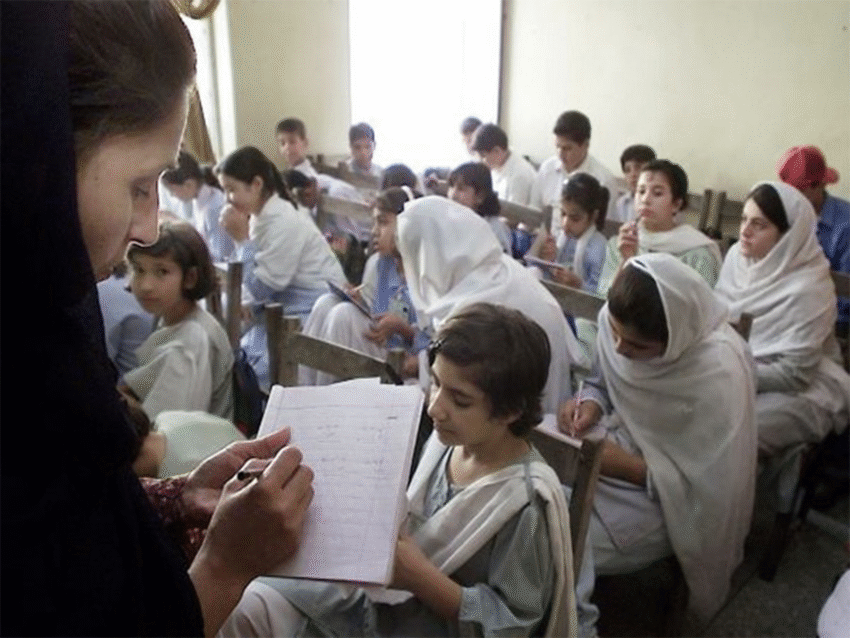
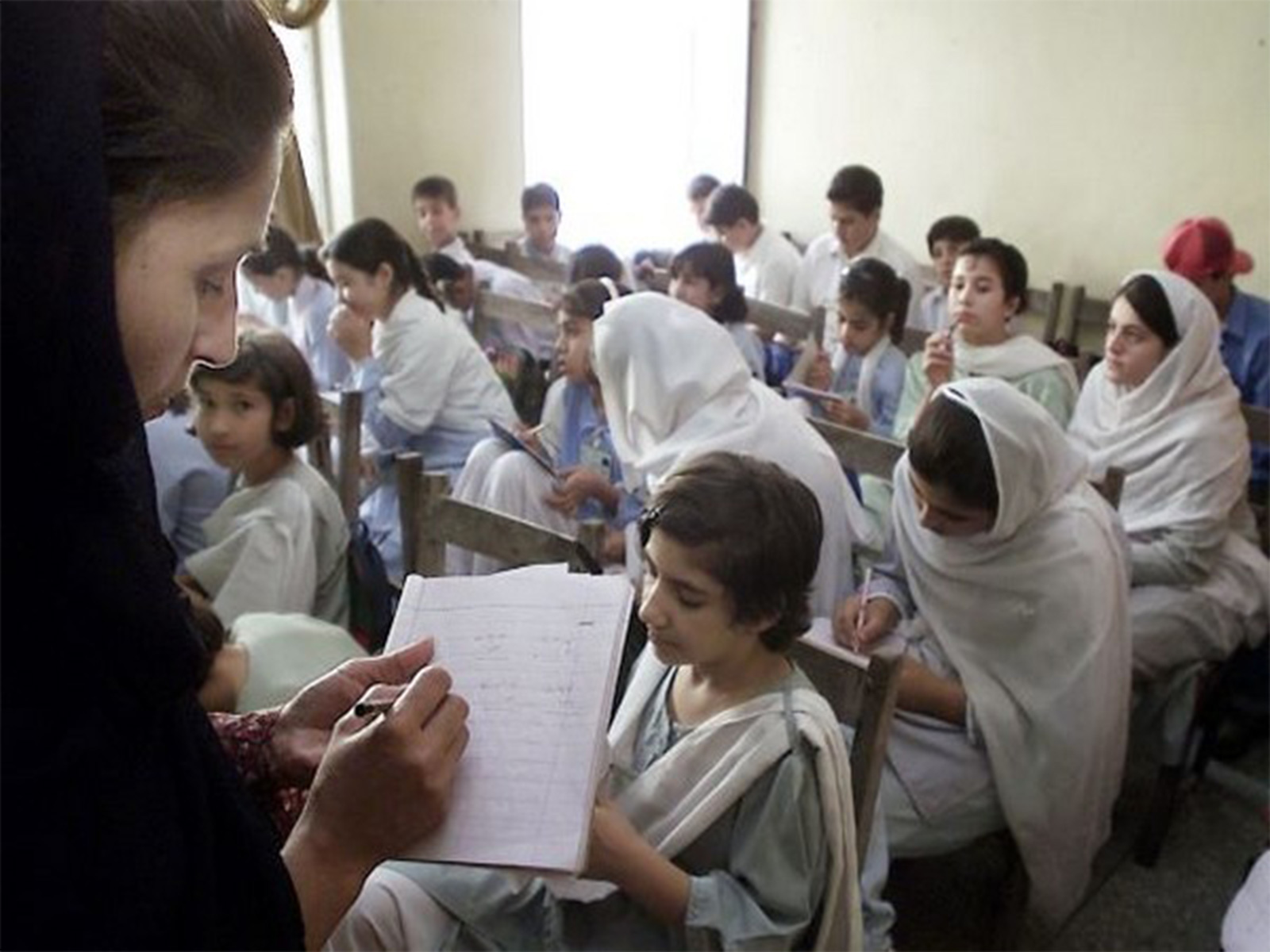
Islamabad [Pakistan] March 19 (ANI): Pakistan’s education system continues to grapple with deep-rooted inequalities, as nearly 28% of children aged 5-16 remain out of school, with girls disproportionately affected. Around 34% of girls are not enrolled compared to 22% of boys, highlighting a persistent gender gap that is even more severe in rural areas, as reported by The Express Tribune.
According to The Express Tribune, while nearly two-thirds of Pakistanis aged 10 and above have attended school at some point, access to education remains uneven. The national literacy rate stands at 63%, with a sharp divide between male literacy at 73% and female literacy at just 52%. Urban areas continue to outperform rural regions, recording a literacy rate of 77% compared to 56% in the countryside. Enrolment trends further expose systemic challenges. Although 68% of children are enrolled at the primary level, participation declines sharply in higher grades. Only 40% of students reach middle school, and nearly 30% continue to matriculation. Experts point out that the transition from primary to middle school is a critical stage where many students drop out. Financial constraints, household responsibilities, and limited availability of secondary schools contribute to this trend.
For girls, these barriers are compounded by cultural norms and early marriages, further restricting their educational opportunities. Provincial disparities also reflect the uneven distribution of educational resources. Punjab leads with a literacy rate of 66%, followed by Sindh at 61%, Khyber Pakhtunkhwa at 55%, while Balochistan lags significantly at 43%. The situation in Balochistan remains particularly concerning due to poor infrastructure and limited access to schools, as cited by The Express Tribune.
Despite some progress in boosting enrolment, the findings suggest that Pakistan’s education crisis is far from resolved. Structural inequalities tied to gender, geography, and economic status continue to prevent millions of children from accessing quality education. Policymakers are now being urged to shift focus from enrolment alone to improving retention, ensuring gender parity, and addressing the systemic barriers that hinder educational access across the country, as reported by The Express Tribune. (ANI)