

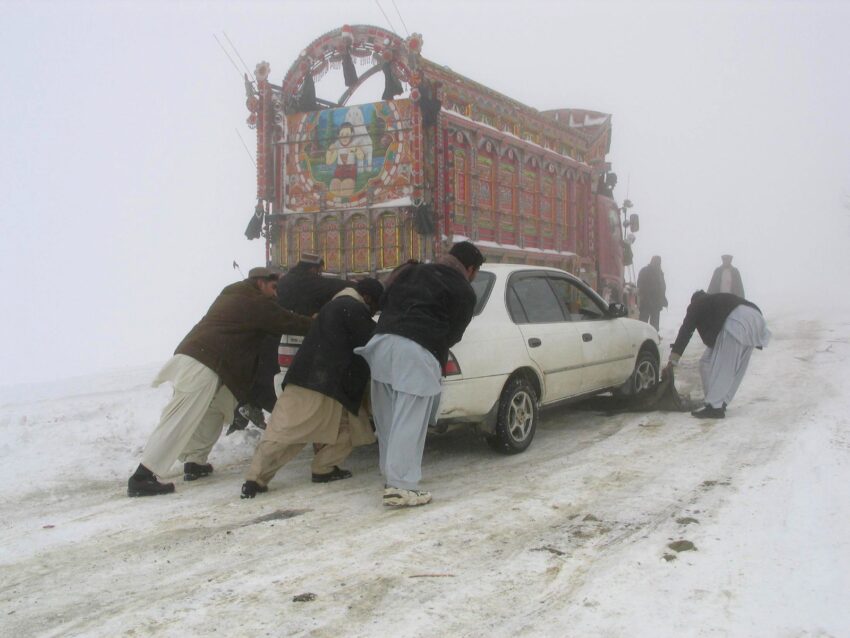
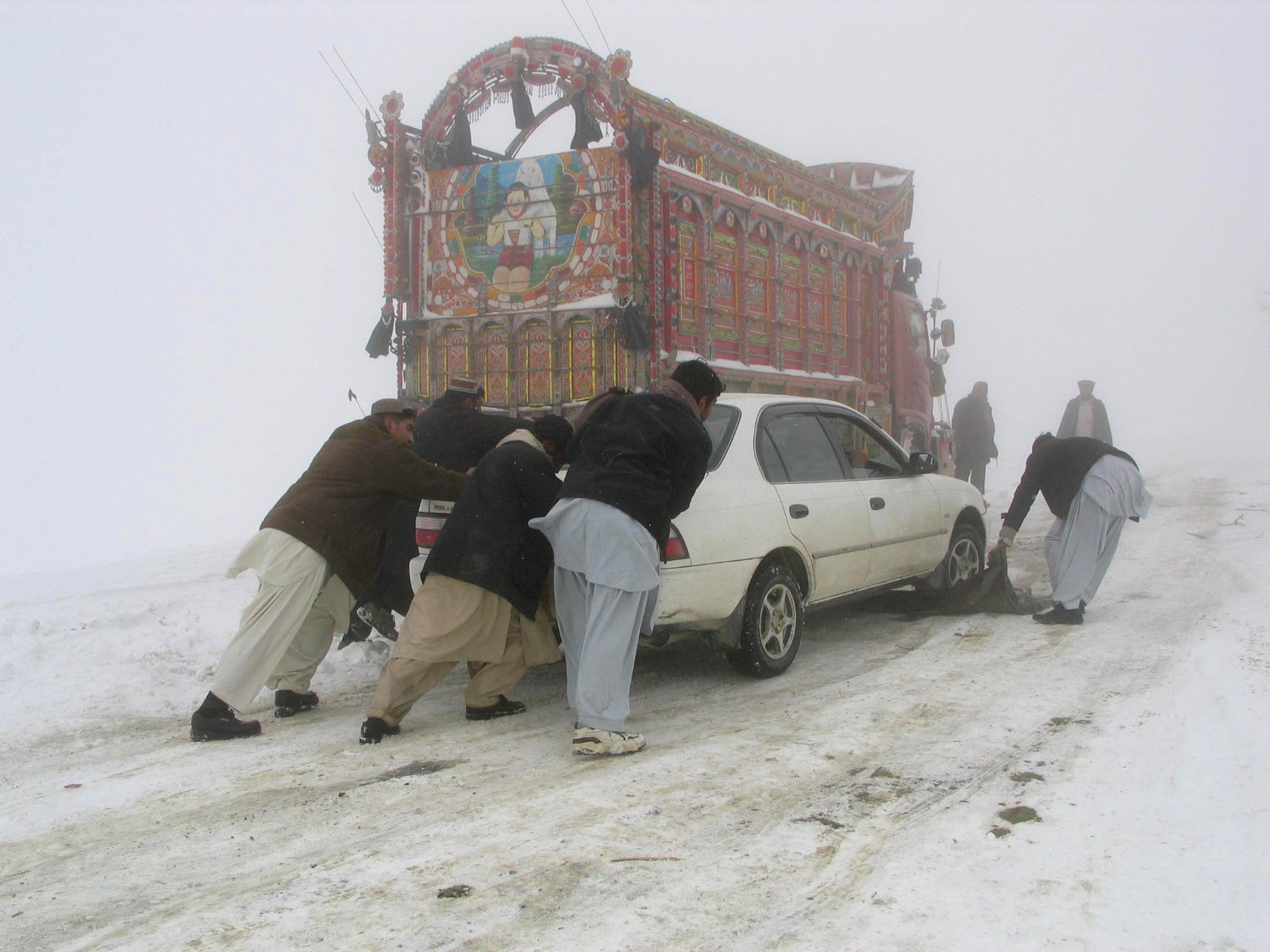
Khyber Pakhtunkhwa [Pakistan], January 23 (ANI) Thousands of residents from Tirah Maidan have been forcibly displaced amid freezing winter conditions following a security operation, triggering a growing humanitarian crisis and sharp criticism of the state’s handling of civilian populations in conflict zones.
In a post shared on X, PTM Khyber stated that entire families, including children, women, and the elderly, were compelled to leave their homes on foot, trekking for days through mountainous terrain under extreme cold. With roads blocked by heavy snowfall, many families were left stranded along the way, some sheltering inside vehicles without adequate food, heating, or medical support.
After enduring the perilous journey, displaced civilians faced further hardship during the so-called “registration” process. Witnesses say families were made to wait on open roads for three to four days without tents, sanitation facilities, or basic arrangements. The prolonged delays exposed vulnerable groups to illness, exhaustion, and severe distress. “There was no planning and no dignity,” PTM Khyber stated. The citizens were left hopeless in the gruesome cold.
The situation reflects a broader pattern of forced displacement in Pakistan’s tribal regions, where military operations often result in civilian suffering with limited accountability.
The Pashtun Tahafuz Movement Khyber (PTM) has rejected the Tirah operation, calling it inhumane and unnecessary. The group has demanded immediate relief for displaced families, the opening of snow-blocked routes, and an end to policies that uproot communities without safeguards, maintain human rights in the region, and mitigate oppression of innocent civilians in the guise of security and defence.
Under the hashtag ‘PashtunsRejectTirahOperations”, PTM Khyber stated that the state cannot expect loyalty from citizens while denying them protection and respect. “Love for the state cannot be forced.” Residents stress that the people of Tirah are not asking for charity but demanding their constitutional rights, dignity, safety, and the right to live without fear of displacement. (ANI)