

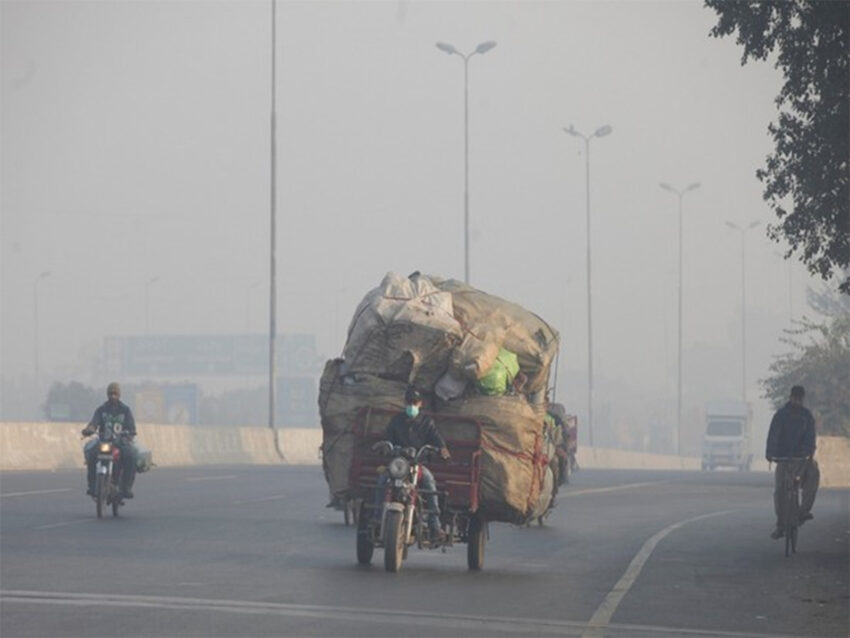
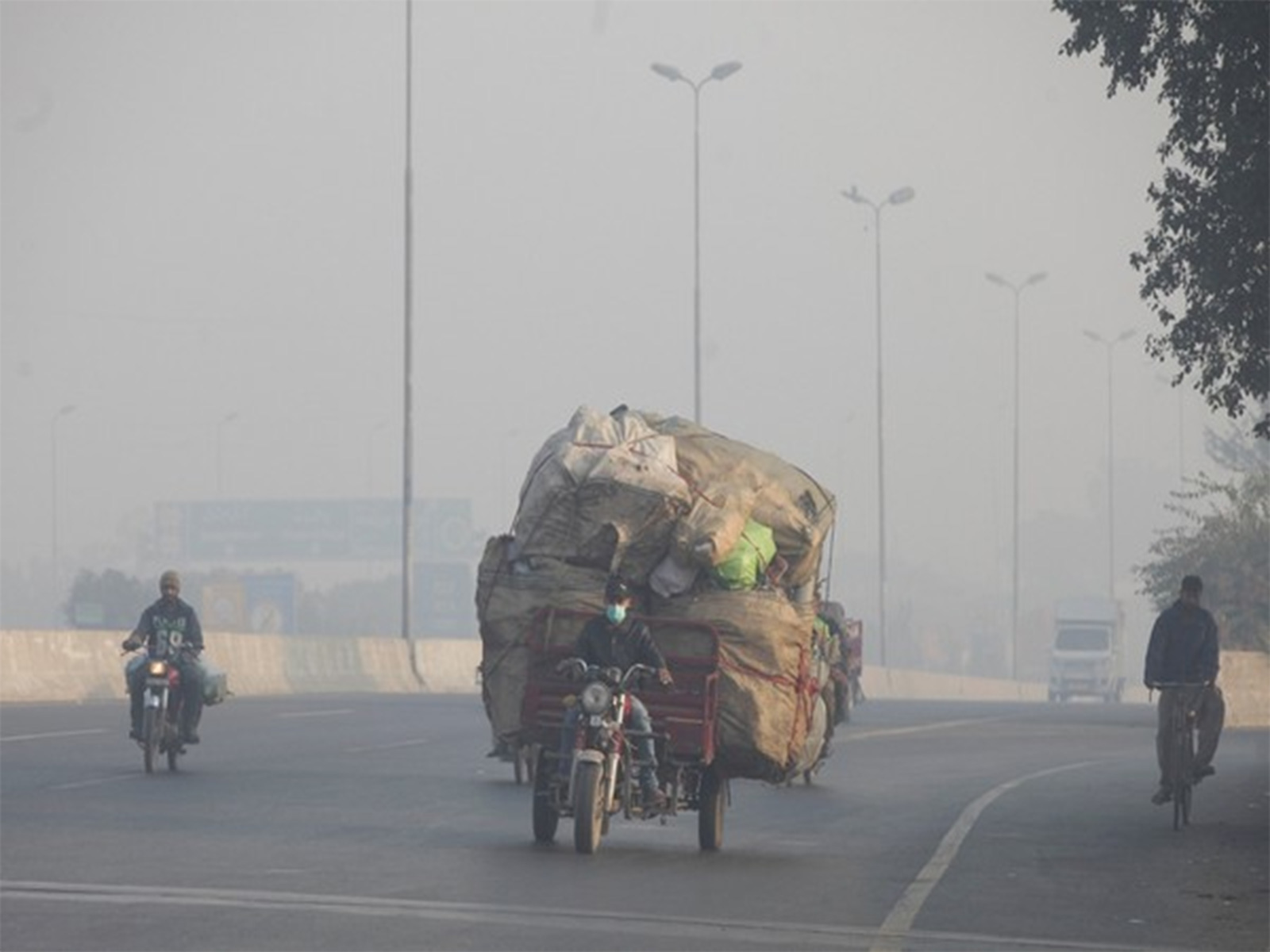
Karachi [Pakistan], December 11 (ANI): Karachi is facing a severe health emergency this winter, as hospitals report a sharp increase in respiratory infections tied to worsening air quality.
Health experts stated that the government’s failure to enforce environmental standards and control emissions has pushed the city’s air pollution to alarming levels, endangering millions of residents, as reported by Dawn.
According to Dawn, pulmonologists, internal medicine specialists, and ENT experts expressed grave concern over the worsening situation, warning that air pollution is now a leading cause of lung disease in the metropolis.
“This winter, we have seen a significant rise in influenza and related respiratory illnesses,” said Javaid Ahmed Khan, senior pulmonologist at Aga Khan University Hospital (AKUH). He explained that simple flu cases often evolve into acute bronchitis and pneumonia, particularly among vulnerable patients.
Khan highlighted a disturbing trend: the sharp rise in interstitial lung disease (ILD) cases over the past two decades. “In the 1990s, ILD was extremely rare. Today, we see around 100 patients every week at AKUH,” he stated, attributing the surge to Karachi’s toxic air.
He also referenced an AKUH study published in Atmospheric Pollution Research, which revealed that short-term exposure to fine particulate matter (PM2.5) causes a 30-40 per cent increase in hospital admissions for respiratory problems. According to senior ENT specialist Qaiser Sajjad, the number of upper respiratory infections has sharply increased in recent years, with winter exacerbating the crisis.
“Air pollution must be treated as a public health emergency,” he said. Similarly, Abdul Ghafoor Shoro reported a spike in tuberculosis cases, noting that poor air quality weakens the lungs’ natural defences, as highlighted by Dawn.
The Pakistan Air Quality Initiative (PAQI) 2024 report further confirms Karachi’s worsening condition. The city’s average PM2.5 level of 46.2ug/m³ is nine times higher than the World Health Organisation’s safe limit and thrice Pakistan’s own standards.
The report highlights the government’s persistent failure to implement air quality monitoring or emission controls. Experts urged immediate government action to curb vehicular and industrial pollution, improve waste management, and promote tree plantation to protect citizens from an escalating environmental and health catastrophe, as reported by Dawn. (ANI)