

New Delhi [India], January 30 (ANI): Educational cooperation between the United Kingdom and India is set to enter a new phase as nine British universities prepare to establish campuses across India.
The development reflects a broader strategy to build long-term partnerships in higher education, talent development, and the rapidly expanding creative industries.
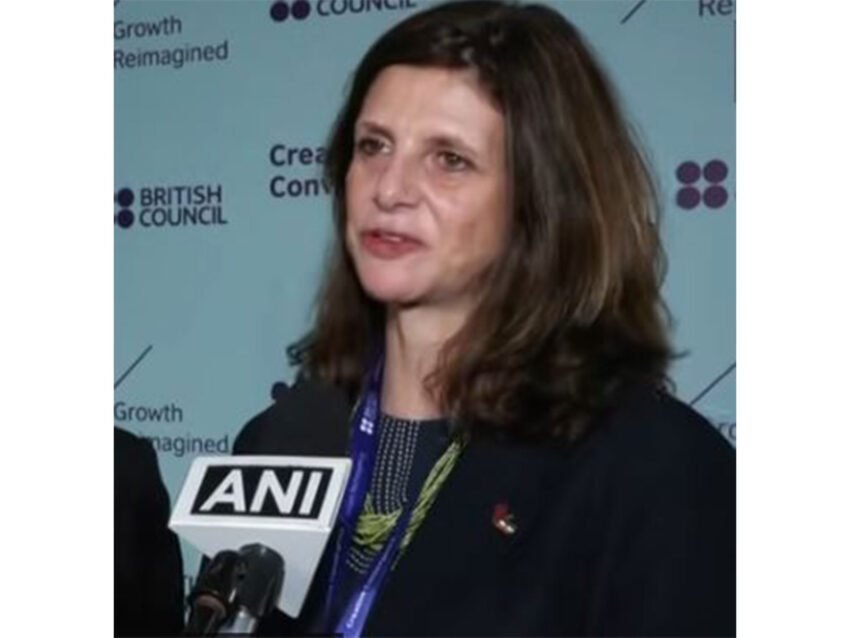
In an exclusive interview with ANI, British Council representative Alison Barett highlighted the transformative potential of this growing collaboration, particularly in the creative economy. She emphasized the two-way flow of students, ideas, and expertise that the new campuses are expected to enable. “British students coming here to India to do internships in the creative industry sectors here in India and to learn from the opportunities and the approaches to scale that you have here,” she said, underscoring how exposure to India’s dynamic market can shape global-ready graduates.
Barett noted that the presence of British universities on Indian soil is not just about expanding access to education but about creating integrated ecosystems where academia and industry work closely together. She pointed to creative fields such as podcasting, filmmaking, fashion, and design as areas ripe for collaboration. “I really expect to see in the next ten years a much stronger connection between our universities in the creative industries. I think there is so much opportunity for our institutions to collaborate to really build the next generation of future ready talent in the creative industries,” she said.
The initiative aligns with India’s broader push to internationalize its higher education sector while positioning itself as a global hub for innovation and creative talent. For the UK, it offers a way to extend its educational footprint, attract diverse student cohorts, and remain competitive in a global education market that is increasingly collaborative rather than purely export-driven.
According to Barett, partnerships will take multiple forms, ranging from joint master’s and undergraduate programs to structured internship pathways that allow British students to gain hands-on experience in India’s fast-growing creative sectors. She stressed that mobility will be central to the relationship, with students moving between the two countries and institutions working together to design curricula that reflect real-world industry needs.
“And because of course now there are nine British universities setting up campuses here in India and we expect more in the coming years,” Barett said, pointing to momentum that is likely to accelerate as regulatory frameworks stabilize and demand grows. “There are more opportunities for UK universities to be part of that ecosystem working with industry and to ensure that there’s a sort of flow of talent between our countries for many years to come.” (ANI)