

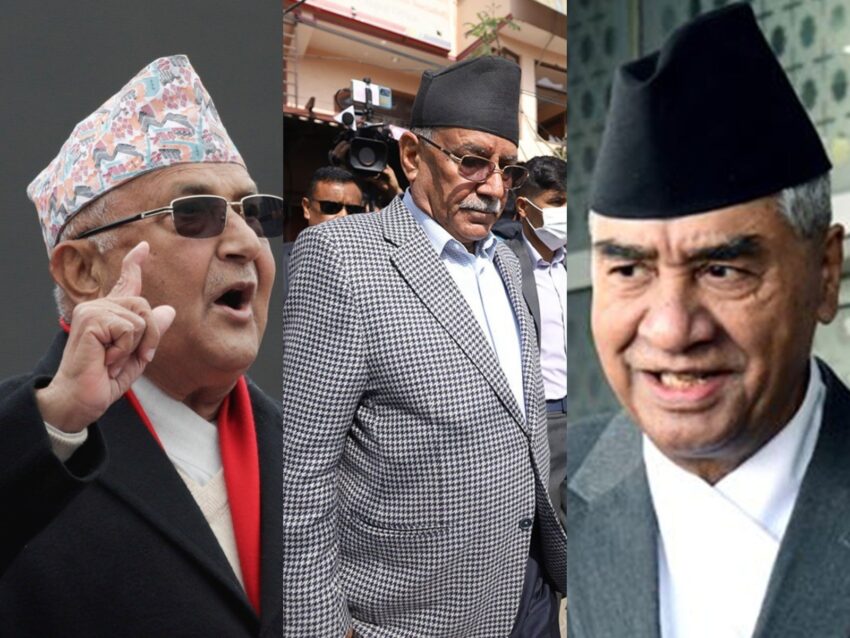
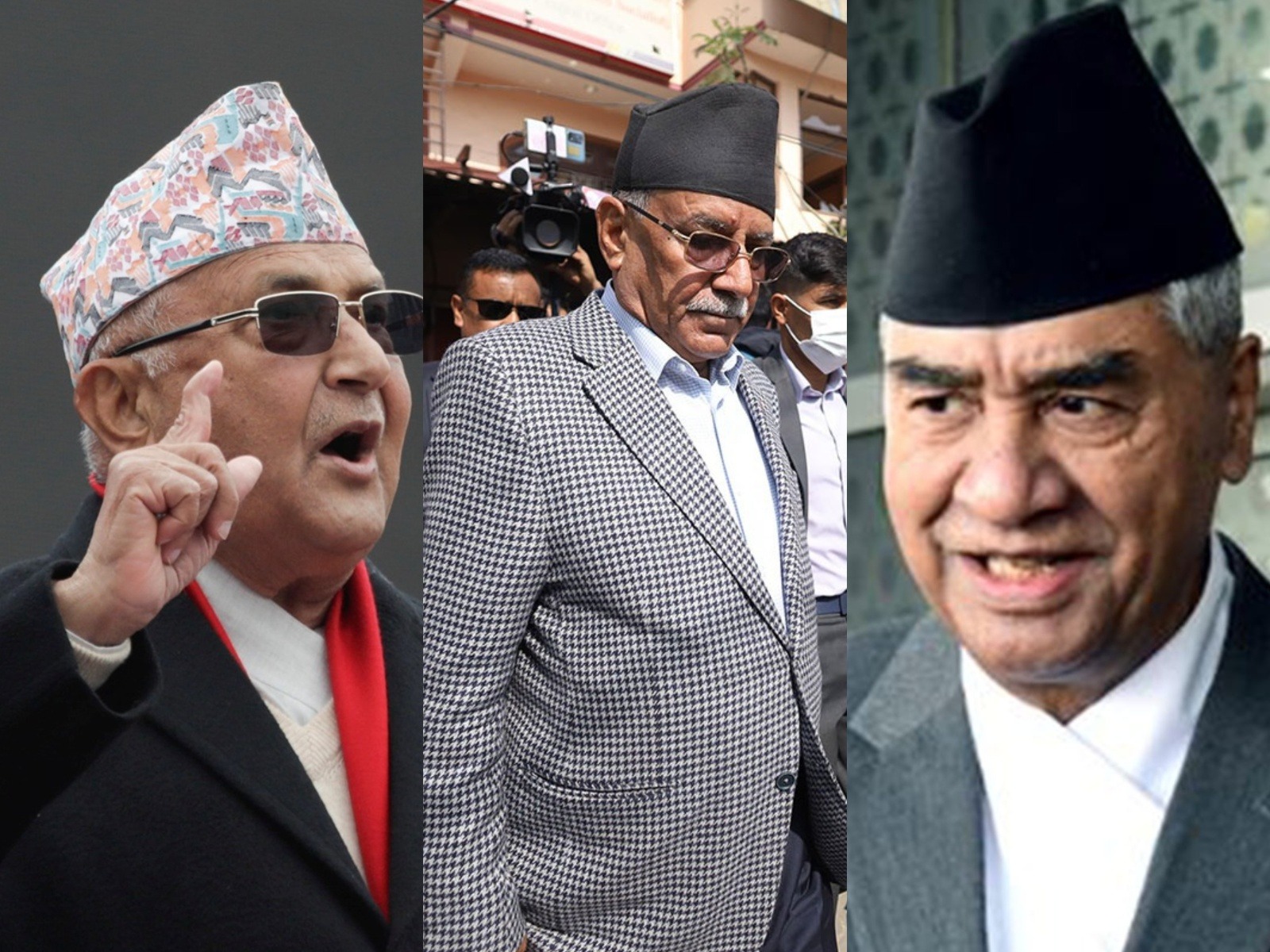
Kathmandu [Nepal], January 6 (ANI): Four major political parties represented in the dissolved House of Representatives are preparing to form an alliance for the upcoming National Assembly election scheduled for January 25, The Kathmandu Post reported.
On March 4, 18 members of the National Assembly — one-third of the 59-member upper house — are set to retire, in line with the chamber’s biennial retirement cycle. Elections will be held to fill these vacant seats, as per The Kathmandu Post.
Negotiations are currently underway among the Nepali Congress, the CPN-UML, the Nepali Communist Party, and a coalition of Madhes-based parties to coordinate their strategy for the election.
According to leaders from the Congress, UML and the Nepali Communist Party, discussions are focused on dividing the 18 seats among the four parties, with a tentative allocation of seven seats for the Congress, six for the UML, four for the Nepali Communist Party and one for the Janata Samajbadi Party Nepal.
Congress leaders said the party is expected to finalise its candidates on Tuesday. On Monday evening, senior Congress leaders, including Vice President Purna Bahadur Khadka and senior figures Ramesh Lekhak and Krishna Prasad Situala, met with UML Chairman KP Sharma Oli and General Secretary Shankar Pokharel to discuss seat-sharing arrangements. The UML has also called a meeting of its party Secretariat on Tuesday to finalise its candidates.
Under the election timetable, all candidates must file their nominations on Wednesday (January 7), according to The Kathmandu Post.
During a meeting of the Congress central work execution committee on Monday, Vice President Khadka briefed members that political forces involved in drafting the constitution had agreed to come together for the National Assembly election. Acting on behalf of Congress President Sher Bahadur Deuba, Khadka held discussions with Oli earlier in the day on advancing joint cooperation.
“There is also an ongoing discussion between the Congress and UML to forge an alliance for upcoming parliamentary elections, but no decision has been reached,” a Congress leader privy to the matter told The Post. “The possibility of an electoral alliance between the Congress and UML has also been discussed several times in the past.”
Parliamentary secretariat records show that the UML will see the highest number of retirements, with eight members completing their terms in March. This is followed by the CPN (Maoist Centre), now part of the Nepali Communist Party, with seven members set to retire over the next four years. Members of the National Assembly serve six-year terms, reported The Kathmandu Post.
One member each from the CPN (Unified Socialist), the Janata Samajbadi Party-Nepal and the Loktantrik Samajbadi Party will also retire in March. The Nepali Congress, despite being the second-largest party in the upper house, will not see any of its members retiring at that time.
Party leaders said talks on a broader electoral alliance have intensified. While the Congress and UML initially held discussions on seat allocation, the Nepali Communist Party — a recently formed front comprising several communist groups, including the former CPN (Maoist Centre) — later expressed interest in joining the alliance, prompting fresh negotiations, Congress and UML leaders told the Post.
Congress spokesperson Prakash Sharan Mahat said parties were close to finalising their seat-sharing arrangements. “If we do not tie up, it will be difficult to win even a single seat,” he told the media.
“We will fix our candidates by Tuesday,” he added.
As per The Kathmandu Post, Deuba and UML chair Oli first reached an understanding on seat-sharing, after which Nepali Communist Party coordinator Pushpa Kamal Dahal met both leaders to discuss adjustments among the four parties.
Of the 19 National Assembly seats to be filled, 18 will be elected by an electoral college, while one member will be nominated by the President on the recommendation of the government.
The Constitution defines the National Assembly as a permanent chamber of Parliament. The lower house was dissolved on September 12, following the Gen Z movement, reported The Kathmandu Post.
As per The Kathmandu Post, Members of the upper house are elected by an electoral college comprising provincial assembly members as well as mayors, deputy mayors, chairpersons and vice-chairpersons of local governments. Provincial assembly members carry an electoral weight of 53, while local government heads and deputies have a weight of 19, as set by the Election Commission. (ANI)