

By Vishu Adhana
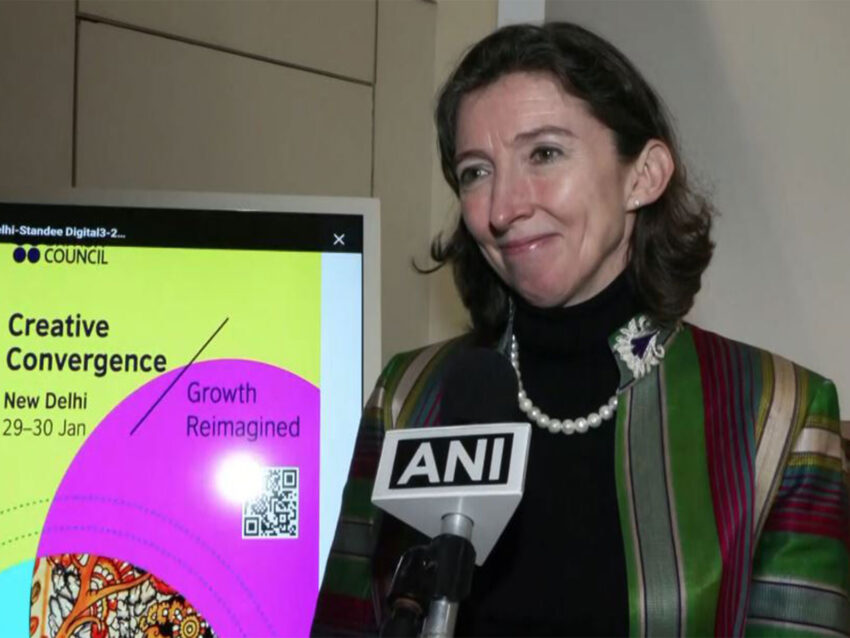
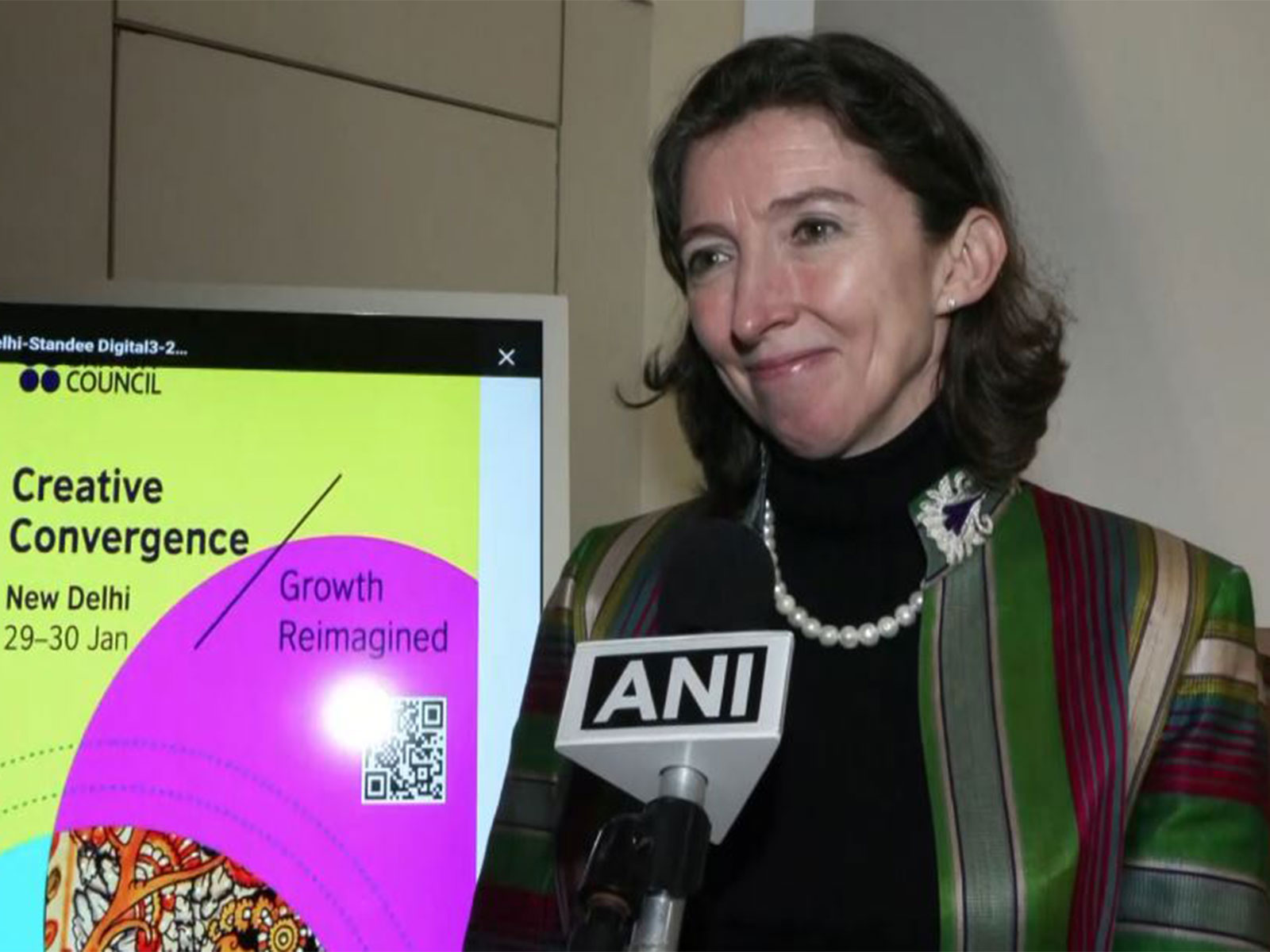
New Delhi [India], January 29 (ANI): British High Commissioner to India Lindy Cameron on Wednesday pitched for deeper collaboration between India and the United Kingdom in the creative economy, highlighting the complementarity between India’s scale, diversity and creative energy and the UK’s strengths in policy, innovation and research.
Speaking at the two-day event Creative Convergence: Growth Reimagined, organised by the British Council, Cameron said the creative economy plays a vital role in the UK-India relationship and is increasingly recognised as a powerful driver of inclusive and sustainable growth for both countries.
“India’s scale, diversity and creative energy have a huge global influence. The UK complements this with policy, innovation, research, creative entrepreneurship and international networks. So together, I believe we can co-create models that resonate not only in our two really significant countries, but also across the wider global creative economy,” Cameron said.
She emphasised that, for the UK, working with India in the creative space is both a privilege and a priority, noting that the creative economy sits at the intersection of culture, technology, skills, and enterprise.
“Creative economy, of course, plays a really vital role in the UK-India relationship. It is increasingly recognised as a powerful driver of inclusive and sustainable growth for both countries,” she added.
Referring to key developments in 2025, including the conclusion of a trade agreement, Cameron said the past year marked a new era in UK-India relations, defined by ambition and partnership. She also highlighted the Programme of Cultural Cooperation signed last year, noting that it had laid a strong foundation for collaboration across arts and cultural sectors and strengthened people-to-people ties.
“The UK-India trade agreement underscores the growing recognition that creative industries are not just cultural assets, but also drivers of productivity, innovation and high-quality jobs,” Cameron said.
“So together, these frameworks signal a shared ambition to unlock the full economic and social potential of creativity. Today, the creative economy is not just a space for expression or entertainment; it is a space for experimentation, problem-solving and imagining new models of growth and sustainable livelihoods,” she added.
The Delhi edition of Creative Convergence: Growth Reimagined was inaugurated at the British Council building on the momentum of the inaugural Bengaluru edition held in November 2025. The two-day gathering brings together policymakers, researchers, creative entrepreneurs and cultural leaders from India and the UK to examine the next phase of India’s creative sectors.
The event advances the objectives of the India-UK Programme of Cultural Cooperation (2025-2030) and reflects the British Council’s long-standing commitment to strengthening international creative ecosystems. The Delhi edition places a strong emphasis on policy dialogue, research and creative enterprise, exploring how aligned frameworks and cross-border collaboration can enable inclusive, sustainable and future-ready growth.
The event opened with a plenary and keynote session titled ‘Creative Convergence: Where Bold Ideas and Future-Ready Ecosystems Meet’, featuring opening remarks by Cameron, followed by a panel discussion with Vivek Aggarwal, Secretary, Ministry of Culture, Government of India; Tim Curtis, Director, UNESCO India; and Ruth Mackenzie, Global Director of Arts, British Council. The session was moderated by Alison Barrett MBE, Country Director India, British Council.
Ruth Mackenzie said the British Council’s mission is to contribute to peace and prosperity worldwide, adding that Creative Convergence focuses on how creativity drives prosperity through the power of local stories shared on global platforms.
“True resilience and growth come from bold, imaginative ideas and new ways of expression. Artists and cultural leaders don’t just help societies survive; they help them thrive and shape meaningful pathways to the future,” she said.
The day also featured the Policy Conference titled ‘Greater Together: India-UK Creative Dialogue’, which examined pathways for strengthening bilateral cooperation through policy alignment, institutional frameworks and market-led collaboration. Alongside this, the Immersive Pop-Up Space ‘Char by Char: An Exposition of Correlated Creatives’, curated by The Design Village Foundation, was inaugurated and will remain open across both days, showcasing intersections of design, sustainability and creative enterprise through scalable and collaborative practices.
Day one concluded with ‘Doc-Exchange: Indo-UK Opportunities with the Documentary’, a focused forum examining documentary co-production, co-financing and distribution between India and the UK.
Ahead of day two, Alison Barrett said the creative economy goes beyond cultural expression and exchange and has emerged as a driver of innovation, sustainable livelihoods and global understanding.
“The creative economy is not just about cultural expression and exchange – it is a driver of innovation, sustainable livelihoods and global understanding and knowledge building. Platforms like the British Council’s ‘Creative Convergence’ allow us to reimagine how policy, research and enterprises intersect, creating integrated ecosystems where artists, institutions and industry can co-create socially impactful and economically viable solutions,” Barrett said.
Day two will continue with sessions focusing on research, sustainability and creative ecosystems, including discussions on data and evidence shaping cultural change, sustainable fashion, and an experimental live performance exploring the intersection of technology, sound, movement and voice. (ANI)