

London [UK], March 19 (ANI): The leaders of the United Kingdom, France, Germany, Italy, the Netherlands, and Japan on Thursday condemned the Iranian attacks on unarmed commercial vessels and civilian infrastructure, including oil and gas installations, in the Gulf as the conflict in the region escalates.
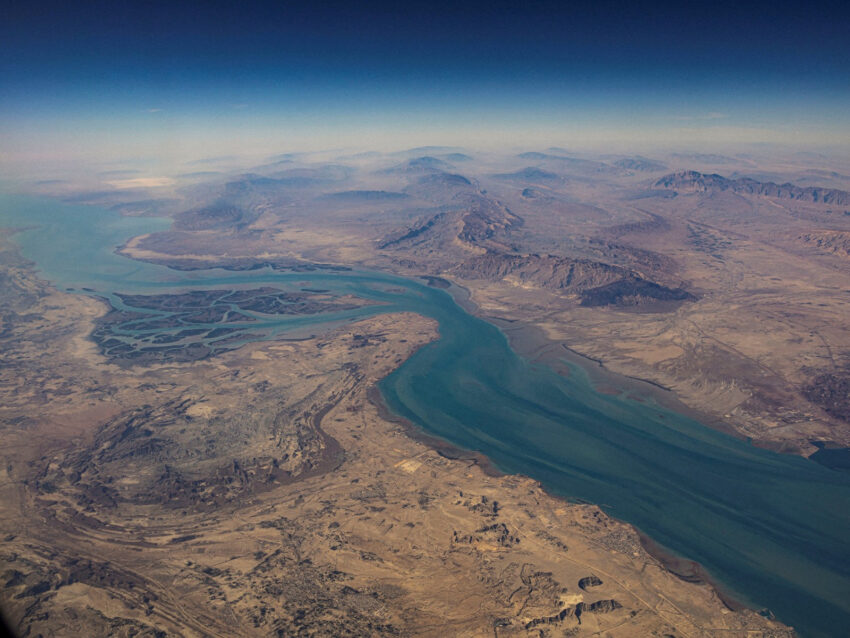
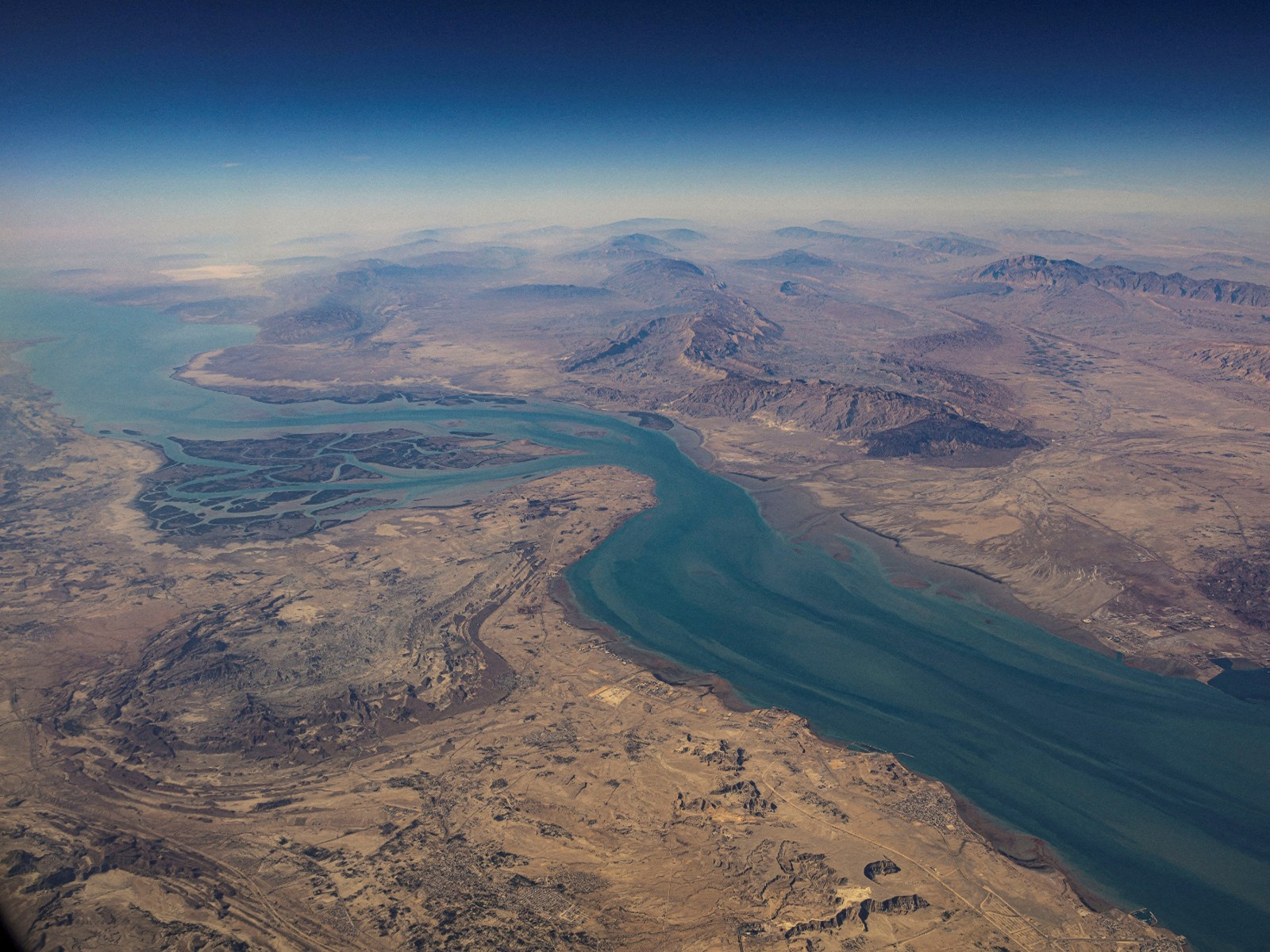
In a joint statement, the countries expressed concern over the de facto closure of the Strait of Hormuz by Iranian forces and called on Tehran to immediately halt threats, mine-laying, drone and missile attacks, and other actions that block the Strait, urging compliance with United Nations Security Council Resolution 2817.
“Freedom of navigation is a fundamental principle of international law, including under the United Nations Convention on the Law of the Sea,” the statement read.
The statement emphasised the global impact of Iran’s actions, particularly on the most vulnerable populations, and called for an immediate moratorium on attacks targeting civilian infrastructure.
The countries expressed readiness to contribute to efforts ensuring safe passage through the Strait of Hormuz and welcomed preparatory planning by other nations.
“Consistent with UNSC Resolution 2817, we emphasise that such interference with international shipping and the disruption of global energy supply chains constitute a threat to international peace and security. In this regard, we call for an immediate comprehensive moratorium on attacks on civilian infrastructure, including oil and gas installations,” the statement added.
The Strait of Hormuz is a critical transit route that normally handles 15 million barrels per day of crude oil and 5 million barrels per day of oil products, representing roughly 25 per cent of global seaborne oil trade.
However, due to the conflict in the region, the waterway has been considered high-risk for transit, choking the global energy supply.
In addition to that, attacks on energy infrastructure have effectively halted flows, leading Middle Eastern producers to cut output.
The countries also supported the International Energy Agency’s coordinated release of strategic petroleum reserves and committed to additional steps to stabilise energy markets, including collaboration with producing nations to increase output.
The International Energy Agency (IEA), last week, announced the largest-ever release of emergency oil stocks in its history, making 400 million barrels of oil available to global markets to mitigate disruptions caused in the global energy supply by the ongoing West Asia conflict.
In a video statement, IEA Executive Director Fatih Birol highlighted that the conflict has severely impacted global oil and gas markets, particularly through the Strait of Hormuz, and the decision was taken “to offset the supply lost through the effective closure of the Strait.”
The European nations and Japan concluded the statement by reaffirming that maritime security and freedom of navigation benefit all countries, and called on all states to respect international law and uphold principles of global prosperity and security.
The development comes amid the escalating tensions and conflict that began on February 28 with the killing of 86-year-old Iran’s Supreme Leader, Ayatollah Ali Khamenei, in joint military strikes by the US and Israel, after which Iran, in its retaliation, targeted Israeli and US assets in several Gulf countries and Israel, causing disruption in the waterway and affecting international energy markets and global economic stability.
Due to the conflict in the region, Iran has virtually closed the Strait of Hormuz, a critical transit route for global energy supply.
Following the death of Ali Khamenei, Mojtaba Khamenei, son of the former leader, was appointed as the new Supreme Leader of the Islamic Republic. (ANI)