

New Delhi [India], December 15 (ANI): An earthquake of magnitude 4.0 struck Afghanistan early on Monday, according to the National Centre for Seismology.
The tremor was recorded at 6:10 am at a depth of 22 km, with its epicentre located at latitude 36.71 degrees north and longitude 71.58 degrees east. There were no immediate reports of casualties or damage.
EQ of M: 4.0, On: 15/12/2025 06:10:58 IST, Lat: 36.71 N, Long: 71.58 E, Depth: 22 Km, Location: Afghanistan.
For more information Download the BhooKamp App https://t.co/5gCOtjdtw0 @DrJitendraSingh @OfficeOfDrJS @Ravi_MoES @Dr_Mishra1966 @ndmaindia pic.twitter.com/lMejaWU20VADVERTISEMENT
— National Center for Seismology (@NCS_Earthquake) December 15, 2025

This comes amid a series of earthquakes reported in Afghanistan over the past week. Earlier on December 10, a stronger earthquake of magnitude 4.3 hit the country in the early hours of the day. That tremor was recorded at a much deeper depth of 150 km, the NCS said in a post on X.
A day earlier, on December 9, the NCS reported two separate earthquakes in the region. One quake of magnitude 3.8 struck at a depth of 70 km, while another stronger tremor measuring 4.5 occurred at a shallow depth of just 10 km.
Shallow earthquakes are considered more dangerous as seismic waves reach the surface quickly, leading to stronger ground shaking.
Afghanistan frequently experiences earthquakes, particularly in the Hindu Kush region, which lies in a highly active seismic zone, according to the Red Cross.
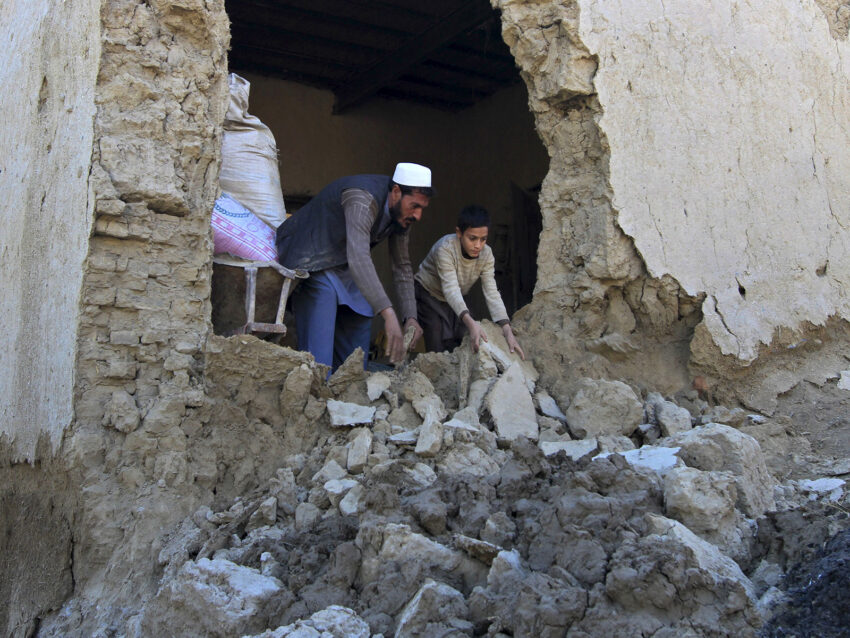
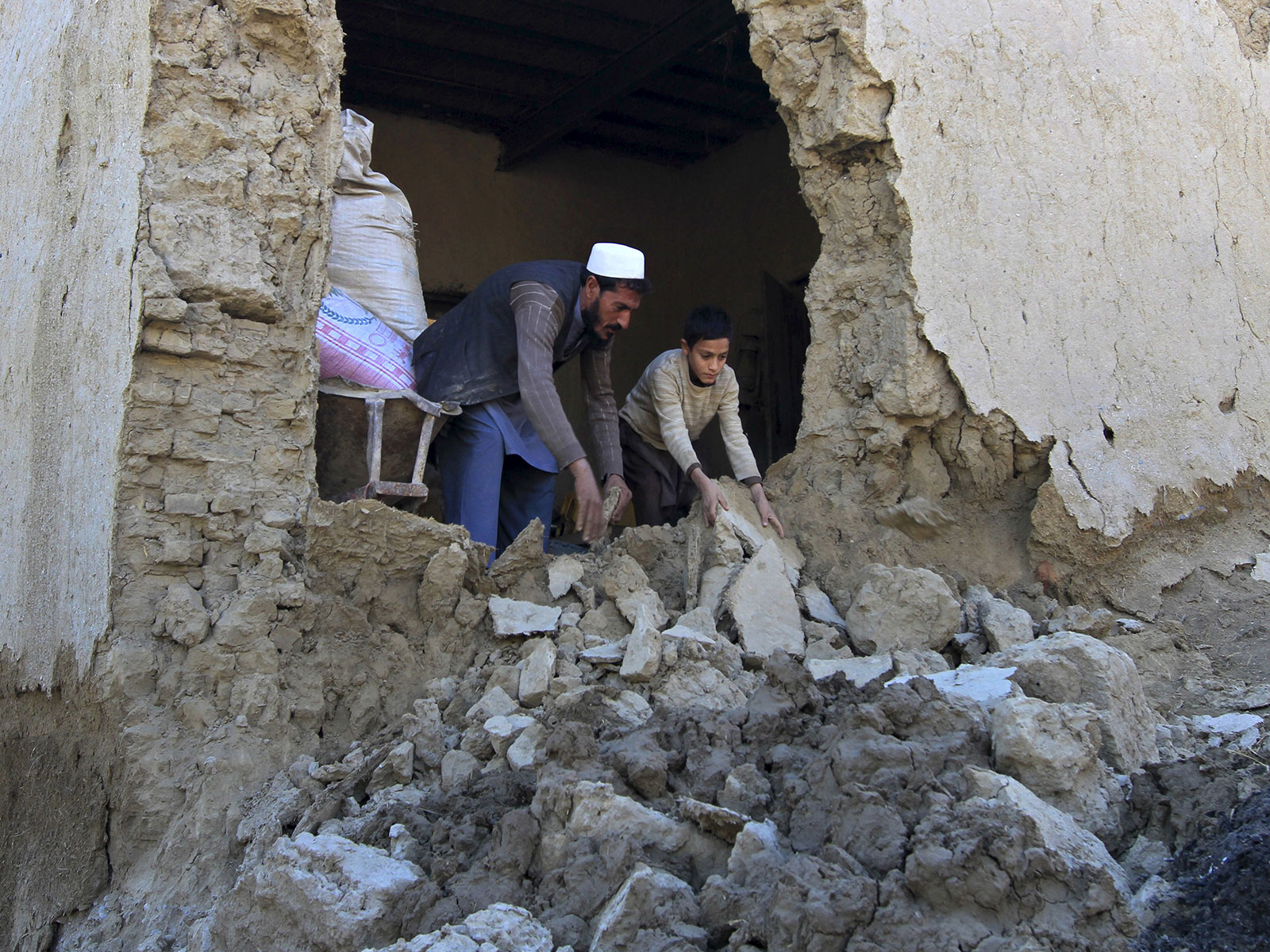
The recent tremors follow a powerful 6.3-magnitude earthquake that struck northern Afghanistan on November 4. According to Afghan authorities, at least 27 people were killed and hundreds were injured in that quake. CNN reported that the tremor also damaged one of the country’s most iconic mosques. The United States Geological Survey reported that the quake occurred at a shallow depth, which increases its impact.
Afghanistan’s vulnerability to earthquakes is linked to its location along the collision zone between the Indian and Eurasian tectonic plates. A major fault line also passes through parts of the country, including the Herat region.
The United Nations Office for the Coordination of Humanitarian Affairs (UNOCHA) notes that Afghanistan remains extremely vulnerable to natural disasters, including earthquakes, landslides and seasonal flooding. Repeated tremors worsen the situation for communities already struggling with decades of conflict and limited development, leaving them with minimal resilience to withstand multiple shocks. (ANI)