

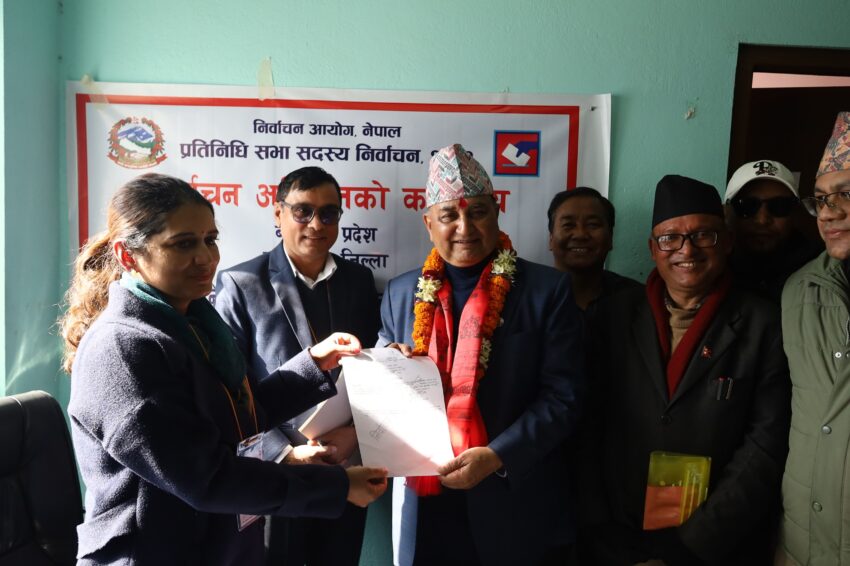
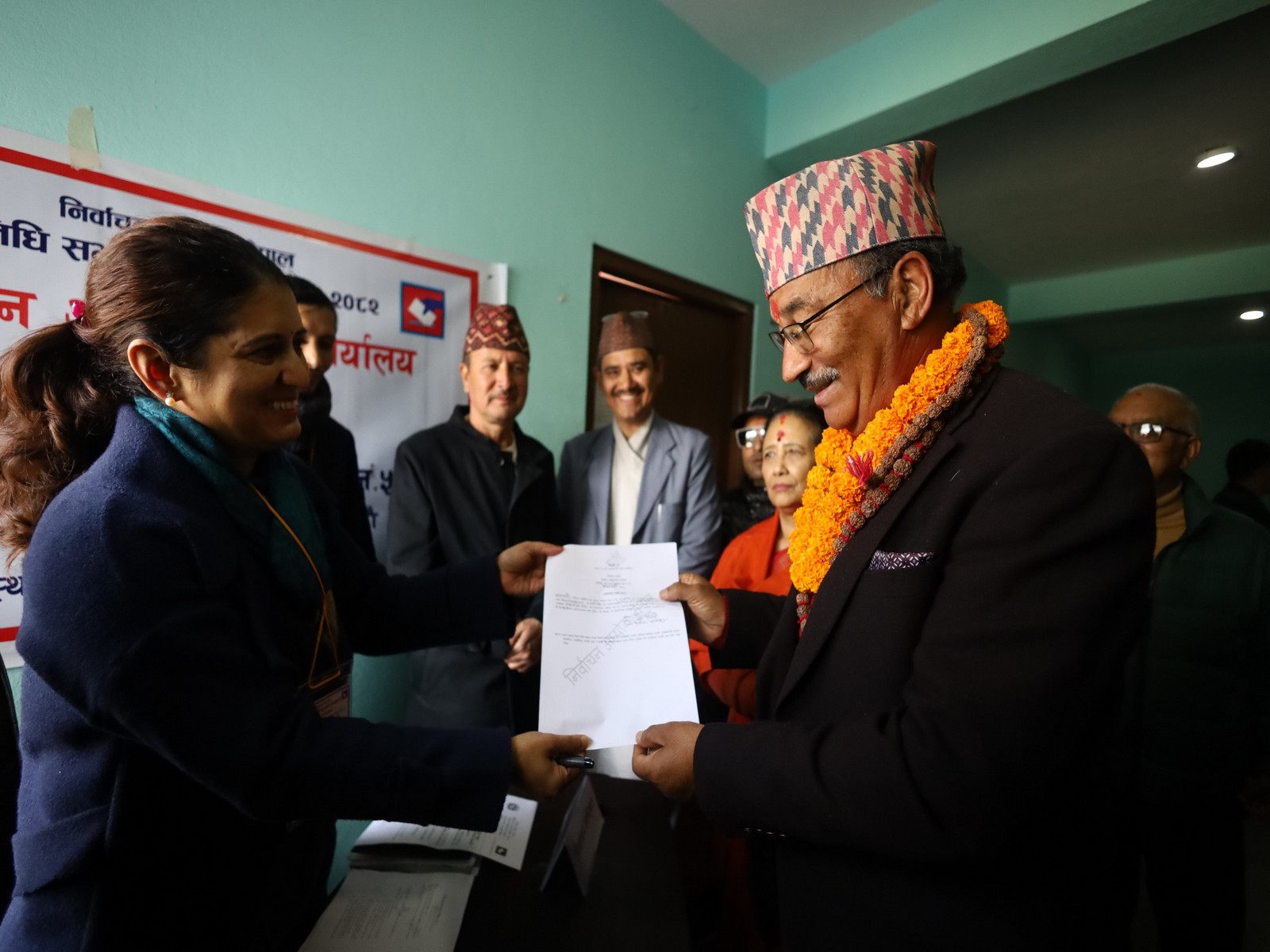
Kathmandu [Nepal], January 20 (ANI): Over 2500 candidates have filed their nominations in 165 constituencies across the country for the March 5 election to Nepal’s House of Representatives, following the Gen-Z uprising, as Tuesday was the last day to file nominations.
Hundreds of candidates representing political parties and independents rallied across Nepal and filed their candidacies to stand in the upcoming election. Political parties have developed agendas to garner public support.
“The Nepali Congress has been able to make a complete overhaul and is headed towards the path of change. In order to let the party function under the Gen-Z movement’s essence, we made last-ditch efforts, we made the request to our leadership as well, and we followed the process despite the dissatisfaction, which has brought change within ourselves as well,” Pradip Paudel, a candidate from the Nepali Congress–the largest party in the dissolved parliament–told ANI after filing his candidature.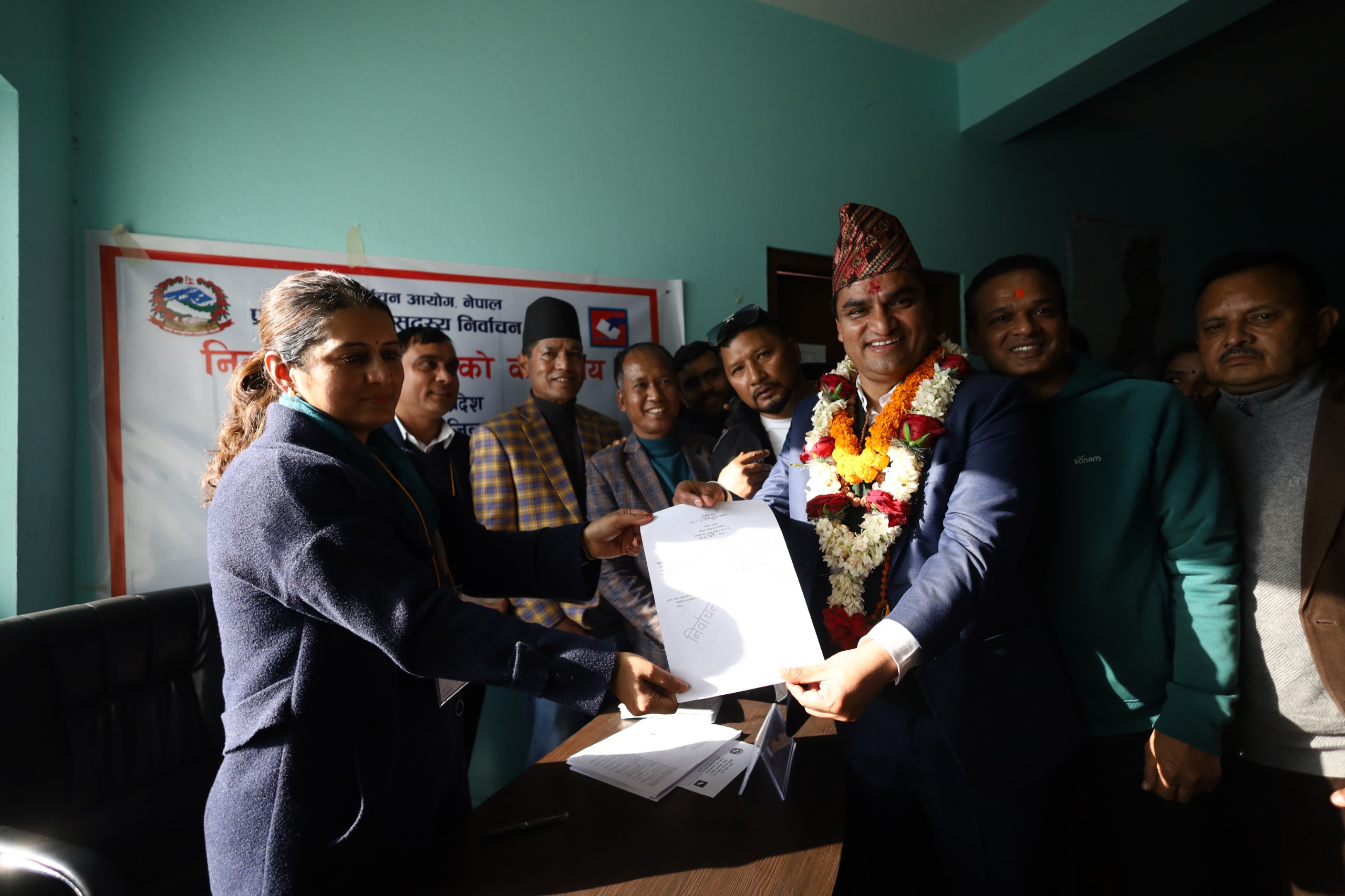
With the poll date drawing near, all political parties have fielded candidates across the 165 constituencies under the First-Past-the-Post (FPTP) electoral system. Political parties submitted the list of 110 candidates to be elected under the Proportional Representation (PR) system last month.
“In a democratic system, new political thoughts and parties are always welcome. I would welcome any age group into politics and wish them the best for their attempts in politics. But it is not only about the factor of age, because political parties and their thoughts are ever-changing, and this is the essence of every political party: to remain immortal–they never age. We have always been updating ourselves and moving forward,” Ishwor Pokhrel, one of the candidates from the CPN-UML led by KP Sharma Oli, told ANI when asked about the changed context after the Gen-Z protest.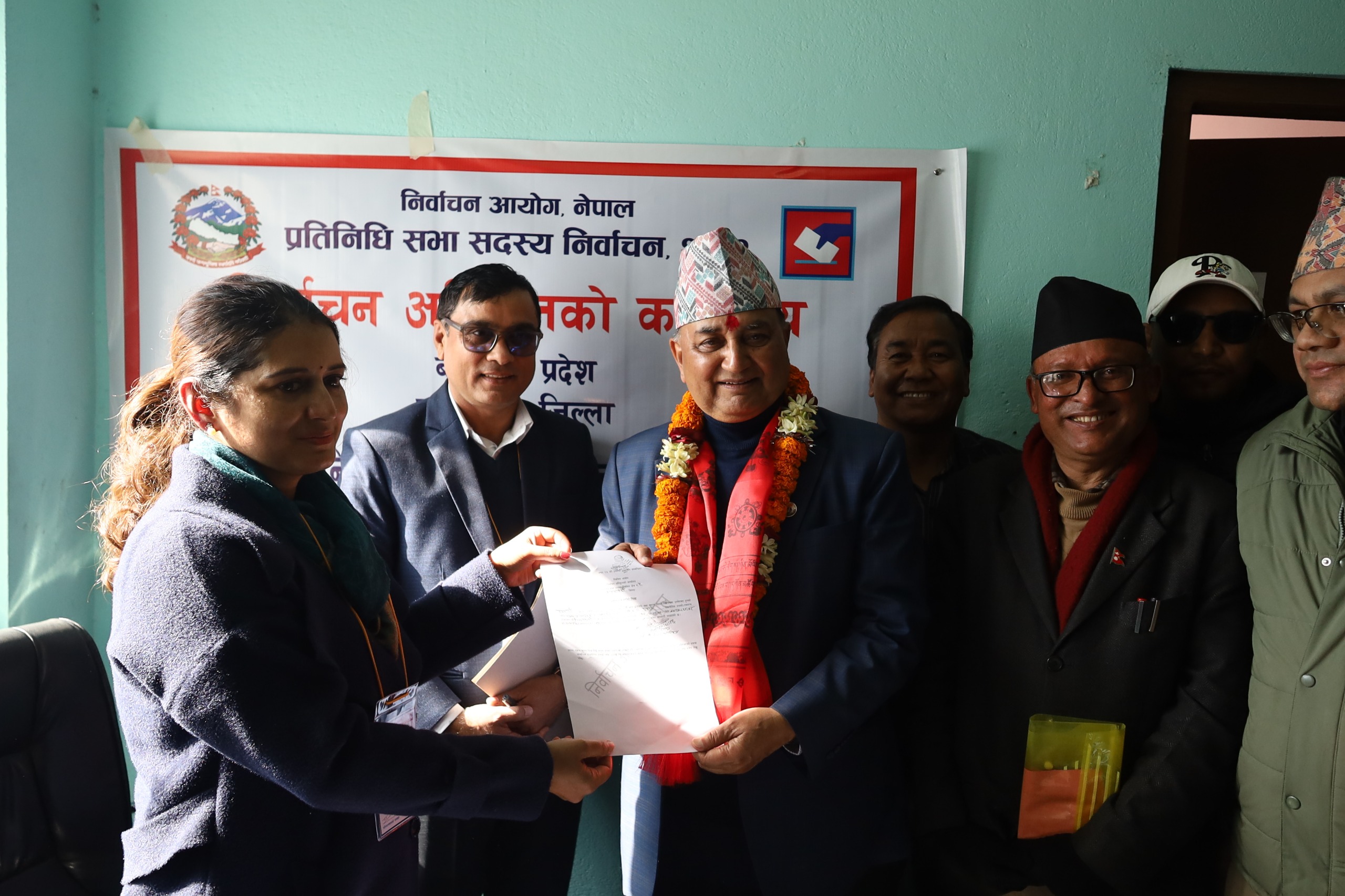
Nepal’s periodic election, which wasn’t due until 2027, has been called early after the Gen-Z revolution of 2025 and the dissolution of the parliament. The September 8 and 9 revolt deposed then-Prime Minister KP Sharma Oli. A total of 76 people died in the crackdown by security forces.
The two-day protest, commonly referred to as the “Gen-Z uprising,” was against corruption and the social media ban, and it has now changed the course of Nepali politics.
“The primary agenda that we have is to stand against and end corruption, to address the demands raised by Gen-Z youths, and to provide the basic infrastructure that people require,” Kalpana Sharma, an advocate as well as a candidate from the Nepali Communist Party (NCP), told ANI.
Following the Gen-Z protest, the Himalayan nation–buffered between India and China–has seen a spike in the number of political parties. A total of 125 political parties have been registered with the Election Commission to contest the election.
“The major agenda of my party is economic transformation and prosperity, basically. We are coming forward with the notion of ‘enough with politics’–the country needs transformation, employment, and prosperity,” Shree Gurung, a candidate from the Ujyalo Nepal Party–the newly formed political party under the leadership of Kulman Ghising, who recently resigned from the incumbent interim government–told ANI after filing his candidacy.
Among the hundreds of political parties formally registered with the Election Commission, there are candidates standing in the fray for ‘change,’ encouraged by the September protest.
Balendra Shah, the former Kathmandu mayor and rapper, has also filed his candidacy from Jhapa-5, standing against KP Sharma Oli, the prime minister deposed by the Gen-Z movement.
Shah, who resigned earlier this week, has formally joined the Rastriya Swatantra Party (RSP). He is now gaining popularity nationwide and is being presented as the party’s prime ministerial candidate.
“When we merge these two coalitions, the entire country is very energetic and very hopeful to move forward in a way that addresses the kind of political corruption that was going on. We want to challenge the political syndicate, and we are going to establish good governance,” Sasmit Pokhrel, a candidate from the Rastriya Swatantra Party (RSP)– from where former Kathmandu Mayor Balendra Shah is contesting the election–told ANI.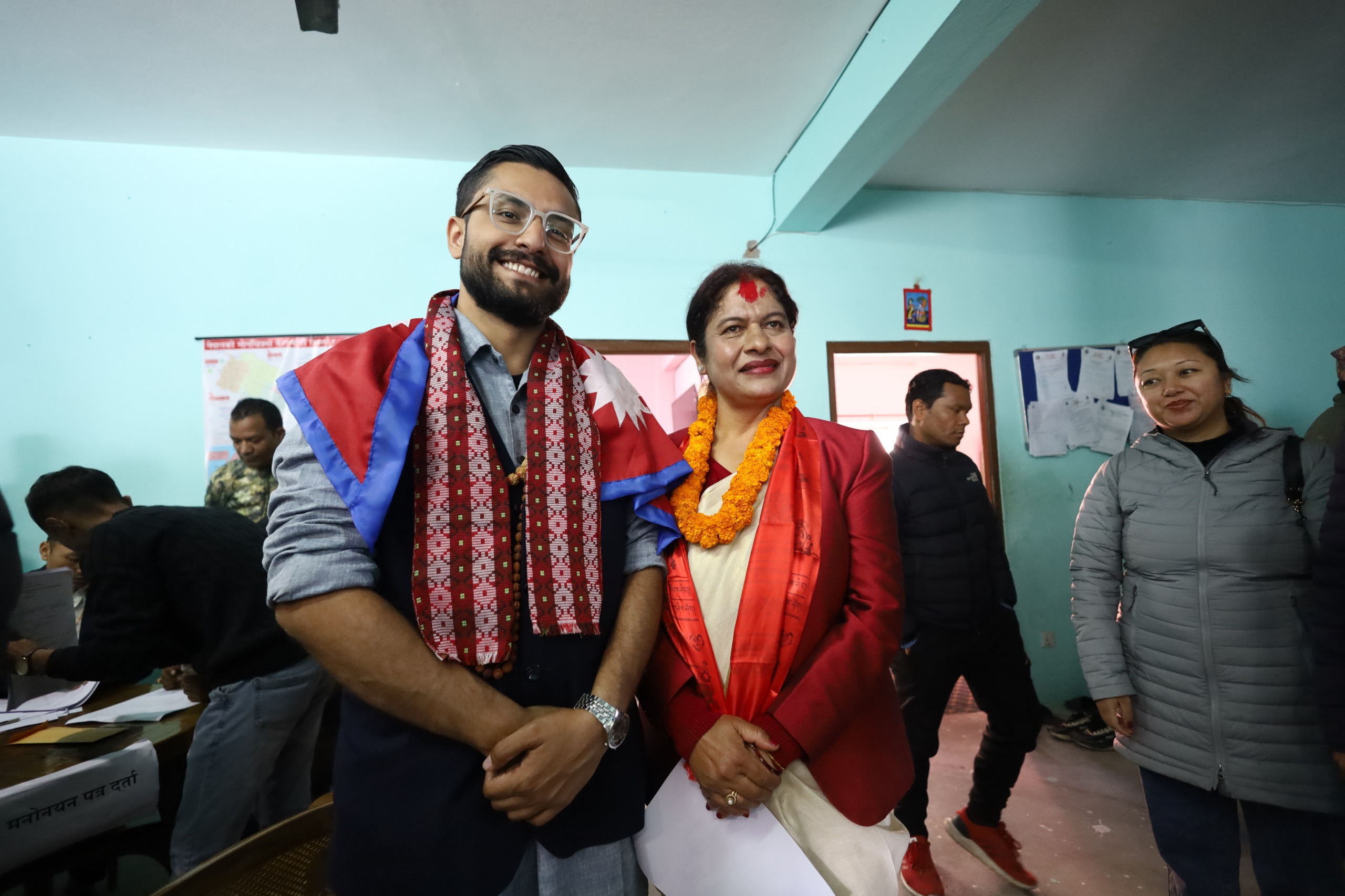
The party, formed a few months before the last parliamentary election, won the fourth-highest number of seats in parliament. But the involvement of party president Rabi Lamichhane in a dual-passport and cooperative scam raised questions over the party itself, which had always claimed to be different from others.
The party’s chairman, Lamichhane, registered his candidacy from Chitwan-2 through a proxy, as he was unable to appear in person due to ongoing legal proceedings in a cooperative fraud case at the Parsa District Court.
With new faces emerging among the candidates, the right-wing royalist Rastriya Prajatantra Party (RPP) is also attempting to lure voters. Kamal Thapa, a former home and foreign minister who recently returned to the party, filed his nomination from Kathmandu, promising to make Nepal a Hindu state.
“Our main agenda in this election is to eradicate corruption, restore the Hindu rastra and monarchy, and make a strong, prosperous Nepal through good governance. So, on behalf of the Rastriya Prajatantra Party, I will take this agenda to the people,” Thapa told ANI.
According to preliminary records from the Election Commission Nepal, more than 2,500 candidates have enrolled for the March 5 election. The final list of candidates, along with the election symbols for the new candidates, will be released by Friday.
On Tuesday, the deposed prime minister and CPN-UML chair KP Sharma Oli filed his candidacy from Jhapa-5, setting the stage for one of the most high-profile contests of the election. He will face Balendra Shah.
The newly elected Nepali Congress president, Gagan Kumar Thapa, registered his candidacy from Sarlahi-4 through a proxy, citing engagements related to ticket distribution.
Meanwhile, Harka Sampang–the former mayor of Dharan sub-metropolis and chair of the Shram Sanskriti Party–filed his candidacy from Sunsari-1, and Kulman Ghising, chair of the Ujyalo Nepal Party, filed his candidacy from Kathmandu-3.
Analysts say the entry of heavyweight leaders and emerging political figures has set the stage for a fiercely competitive election, with several constituencies expected to see direct, closely followed contests. (ANI)