

Muzaffarabad [PoJK], January 6 (ANI): Residents of Pakistan-occupied Jammu and Kashmir (PoJK) are witnessing growing unrest as demands for self-governance intensify, with protesters accusing Pakistan’s establishment of sidelining elected institutions and suppressing democratic voices.
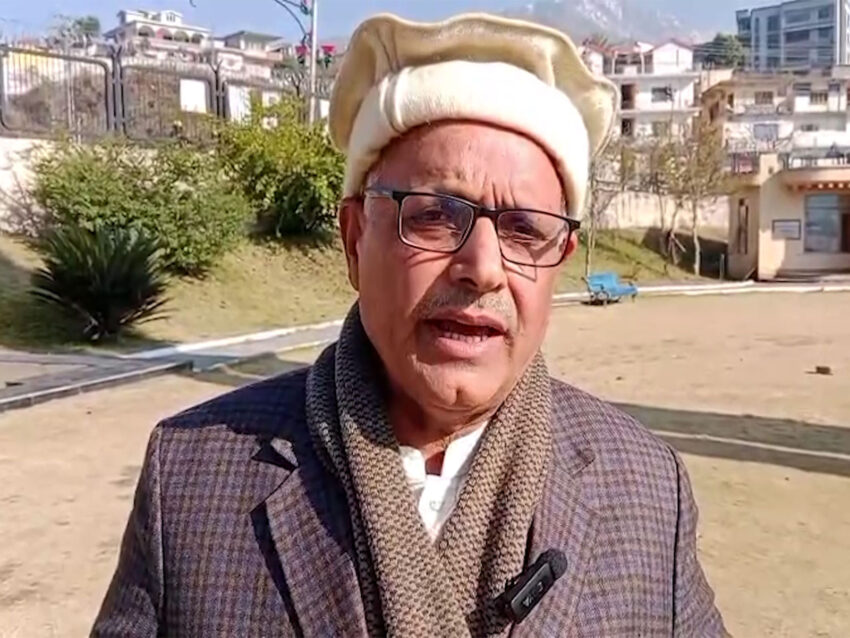
The agitation has gained momentum amid claims that elected bodies no longer reflect public will and instead serve entrenched elite interests. Senior lawyer and former Advocate General of PoJK, Sardar Karam Dad Khan, has openly questioned the relevance of the PoJK Legislative Assembly, saying it has lost its purpose.
“The role of the PoJK Assembly has become redundant; it has effectively ended because it does not truly represent the will of the people,” Khan said, alleging that the institution now functions only to protect the privileges of a select few.
Defending the ongoing protests, Khan stressed that the Joint Awami Action Committee represents a broad civil society movement rather than a single group. “The Joint Awami Action Committee does not represent traders alone; it represents the general will of civil society. Forty-four lakh people support it, and everyone within civil society is part of this movement,” he said.
Khan further criticised the financial and political priorities of the current system, stating, “The assembly you see before us, on which billions of rupees are being spent, exists only to protect elite interests and pensions. Otherwise, it has become nothing more than a committee for elite privileges.”
Alleging that real power lies outside PoJK, Khan claimed that Pakistan’s federal establishment controls decision-making in the region and even directed negotiations with protesters. He accused the leadership of deliberately sabotaging dialogue through intimidation, saying, “Our democratic struggle was carried out strictly within the Constitution of Pakistan and the Constitution of PoJK, yet the response was pressure and repression.”
The protests highlight growing discontent in Pakistan-occupied Jammu and Kashmir, as residents continue to demand political ownership, self-governance, and an end to what they see as external control over local democratic institutions. (ANI)