

Sajek [Bangladesh], November 27 (ANI): Tourism in Bangladesh’s Chittagong Hill Tracts, especially the popular hub of Sajek, is facing a major crisis as a month-long blockade has brought tourism activities to a standstill, forcing around 500 hotels and resorts to shut down and leaving local workers, businesses and residents grappling with food shortages and a severe humanitarian crisis.
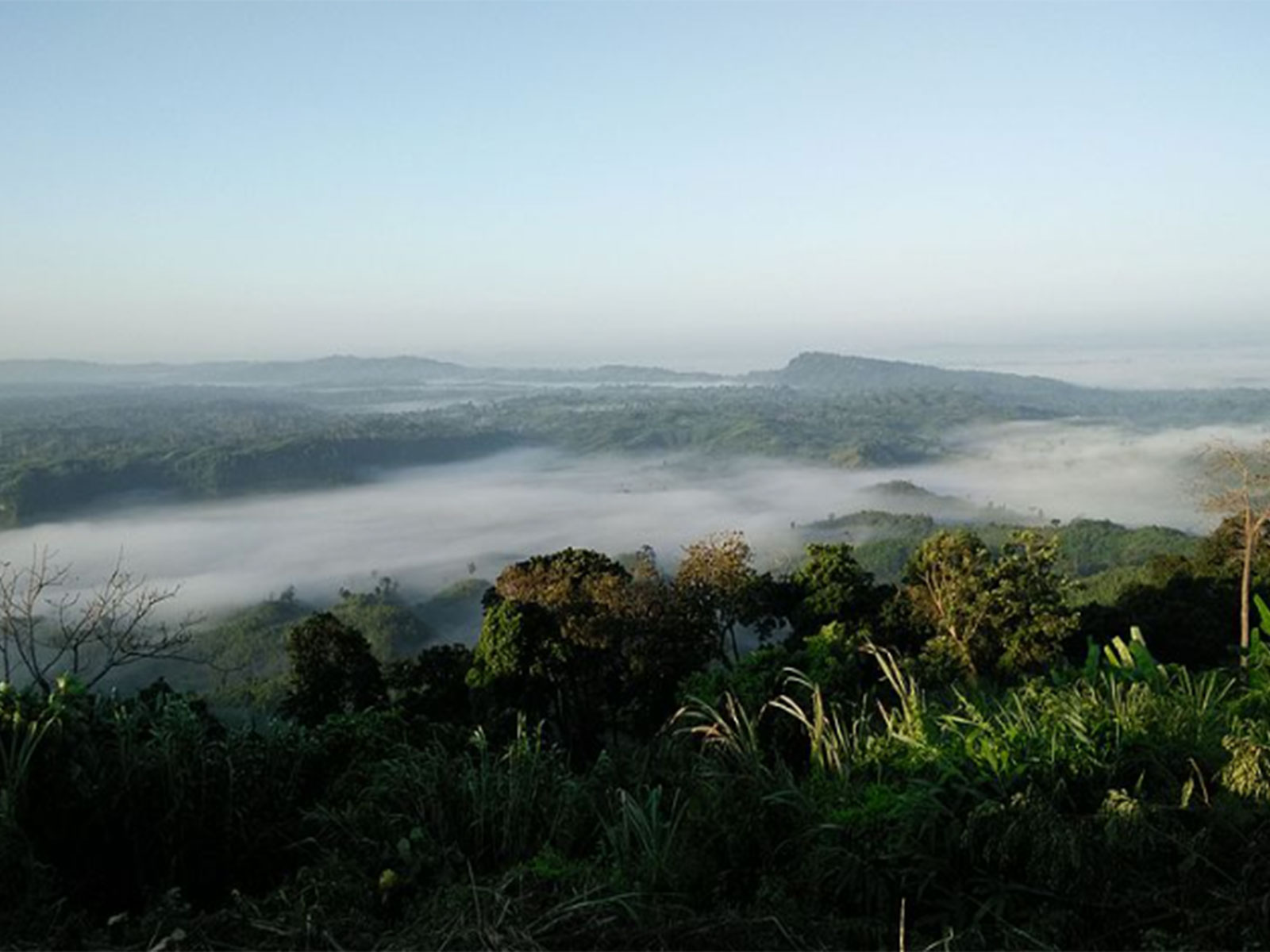
Sajek is located around 330 kilometres southeast of the capital, Dhaka, and sits about 2,400 feet above sea level. It usually attracts large numbers of tourists each year, especially from October to February, when hotels and resorts are full. But since October 21st, 2026, when the United People’s Democratic Front (UPDF), an armed insurgent group, enforced a blockade in the area, tourism has been brought to a standstill, leaving local businesses, workers, and residents facing a major crisis.
Witnesses and local residents say the ongoing conflict between the two armed groups in Bangladesh’s Chittagong Hill Tracts is mainly about territorial control. Sajek was earlier under the informal control of the UPDF. But tensions rose after some members of the Jana Samhati Samiti (JSS), another armed insurgent group, reportedly entered and took control of parts of the area.
After that, the UPDF demanded that the JSS members be driven out and enforced a blockade to press that demand. The blockade has badly affected tourism, especially hotels, resorts, local businesses, and residents who are taking the brunt of the crisis.
To ensure security in the Chittagong Hill Tracts, the army is permanently deployed there, and they generally conduct operations against both armed groups, meaning both the JSS and the UPDF.
Even though the army maintains full control, two armed insurgent groups are secretly establishing their control in the remote areas of the Chittagong Hill Tracts, and they sometimes fight each other. Recently, the JSS has gained a lot of control in some areas, and after that, the UPDF set up blockades. Because of this, in the areas where they gain control, they collect informal taxes from local people, which are used to finance their weapons and operations.
“We have faced a severe supply crisis here; we are actually out of supplies and going through very hard times. These strikes and blockades affect a lot of local families, local resort owners, farmers, and all the surrounding tourism hubs”, Rosie Lushai. headman of Konglak Mouza, Sajek, told ANI.
“We urge the government and local authorities to end these disruptions as quickly as possible to ensure safety for tourists and all the communities. We are even facing a major crisis with our water connections”, she added.
“Regarding the reasons behind this disruption, we actually don’t know much about the situation over there. Here in Konglak, there is no shooting between rival parties; we only heard about it happening in the Ujo Bazar area. We don’t face that kind of situation here—we are in peace. We want peace for the entire area so that all tourists and local families can live peacefully without road blockades, and so we can receive the supplies we need”, Lushai said.
“We don’t have any committees or meetings with the authorities or organisations regarding this. We heard that the respected Zilla Parishad Chairman and members held a meeting in the Nandaram area near Ujo Bazar, but we were neither called nor included in those meetings.”, she said.
In 1997, the Government of Bangladesh signed the Chittagong Hill Tracts Peace Accord with the Parbatya Chattagram Jana Samhati Samiti (JSS), an armed group that had been involved in an insurgency in the region. The agreement aimed to end the long-running armed conflict in the Chittagong Hill Tracts and restore peace and stability in the area. In the Chittagong Hill Tracts, there’s another group that opposes the 1997 Peace Accord, that is the UPDF. (ANI)