

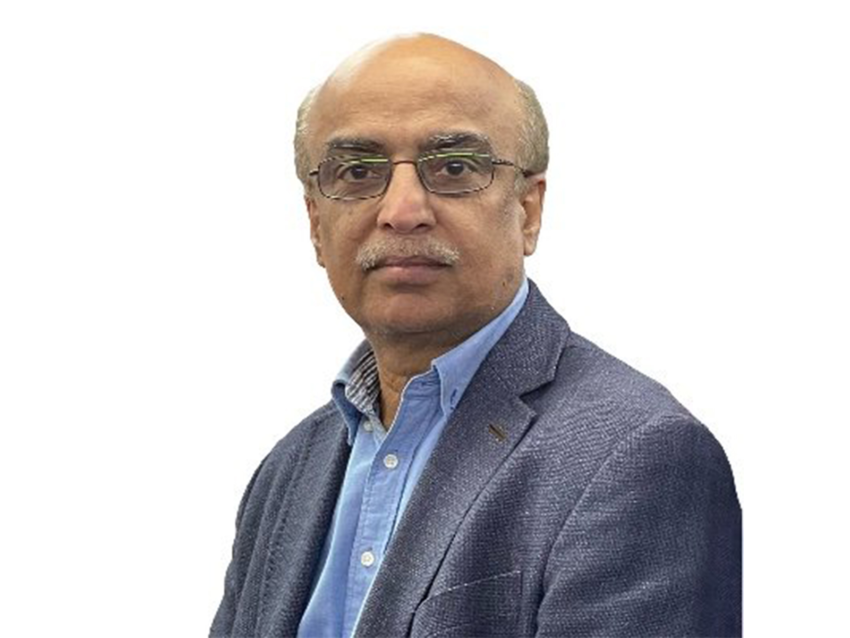
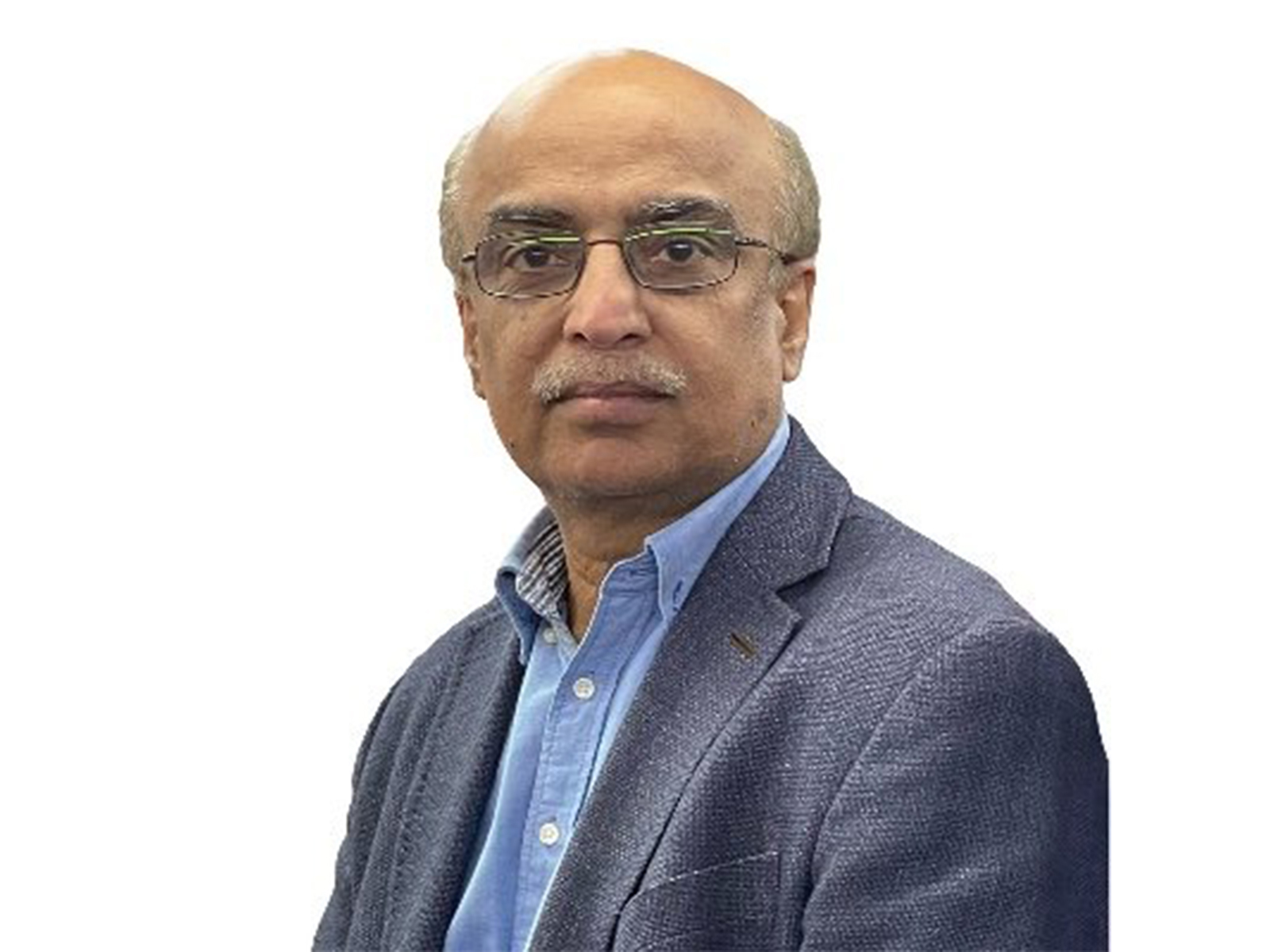
Berlin [Germany], November 17 (ANI): Shafi Burfat, Chairman of the Jeay Sindh Muttahida Mahaz (JSMM), has asserted that Sindh’s continued inclusion within Pakistan threatens the existence, national identity and territorial unity of the Sindhi nation, calling for an independent and sovereign homeland under the name of Sindhudesh.
In an extensive statement shared on X, Burfat described Sindh’s political status as a question of national survival rather than an issue of provincial boundaries, administrative restructuring or government policy. He argued that Sindh, with its thousands of years of historical, geographical and cultural unity, has faced systematic exploitation and political subjugation since the departure of British colonial rule in 1947.
According to Burfat’s post, Sindh was not restored to independence following the end of British imperialism but instead became part of what he described as an “unnatural state” of Pakistan, which he accused of functioning as an instrument of Punjabi imperialism and military dominance over historically distinct nations.
Referring to developments ranging from the One Unit scheme to the 1973 Constitution, Burfat alleged that successive policies have undermined Sindh’s language, history, demographic composition and political autonomy. He also accused Pakistan’s establishment of exploiting Sindh’s natural resources, including its rivers, islands, coastline and agricultural land.
Burfat further alleged that attempts to alter Sindh’s demographic balance through the settlement of outsiders, alongside disputes over water distribution and control of natural resources, form part of a broader effort to weaken the Sindhi nation’s identity and reduce its political influence in its historical homeland.
Highlighting concerns over Sindh’s territorial integrity, he specifically referred to the Indus River, the coastal belt, the Karoonjhar mountains, islands and other natural resources, claiming that decisions concerning these assets are being made without the consent of the people of Sindh.
He maintained that the Sindhi nation’s rights over its land, water and resources, along with the protection of its language, history and cultural identity, are fundamental rights rather than concessions that can be granted or withdrawn by any government.
In his statement, the JSMM chairman also questioned the effectiveness of Pakistan’s constitutional and federal institutions, alleging that the country’s Constitution, assemblies and federal structures serve to legitimise Punjabi political supremacy. He dismissed assurances of provincial autonomy and administrative reforms as attempts to divert attention from what he described as continuing anti-Sindh policies.
Burfat further warned against any proposed administrative division of Sindh, describing attempts to fragment the province or deprive it of its resources as a direct threat to the existence of the Sindhi nation and the future of its coming generations.
Outlining the position of the Sindh national movement, he said the JSMM advocates national consciousness, organised political strength, historical awareness and mass resistance to safeguard Sindh’s territorial unity. He added that the movement’s stated vision recognises the dignity, security and shared rights of all residents and communities living in Sindh.
Calling upon the people of Sindh to unite, Burfat invoked the political philosophy of G.M. Syed and the historical legacies of Raja Dahir, Dodo Soomro and Darya Khan. He urged the Sindhi population to reject what he termed the oppressive political system and join the struggle for an independent and sovereign Sindhudesh.
In the concluding section of his post, Burfat said the JSMM and its youth supporters were making practical efforts to mobilise political consciousness and unite the Sindhi population under the banner of national liberation. He called for a province-wide movement to resist alleged exploitation of resources, demographic changes and attempts to undermine Sindh’s historical unity.
Reiterating his appeal, Burfat urged the Sindhi nation not to surrender to despair or hopelessness, asserting that political unity, national independence and control over natural resources were essential for securing the future of coming generations.
He concluded by calling on the people of Sindh to participate in what he described as a determined political struggle and national resistance for the establishment of Sindhudesh. (ANI)