

VMPL
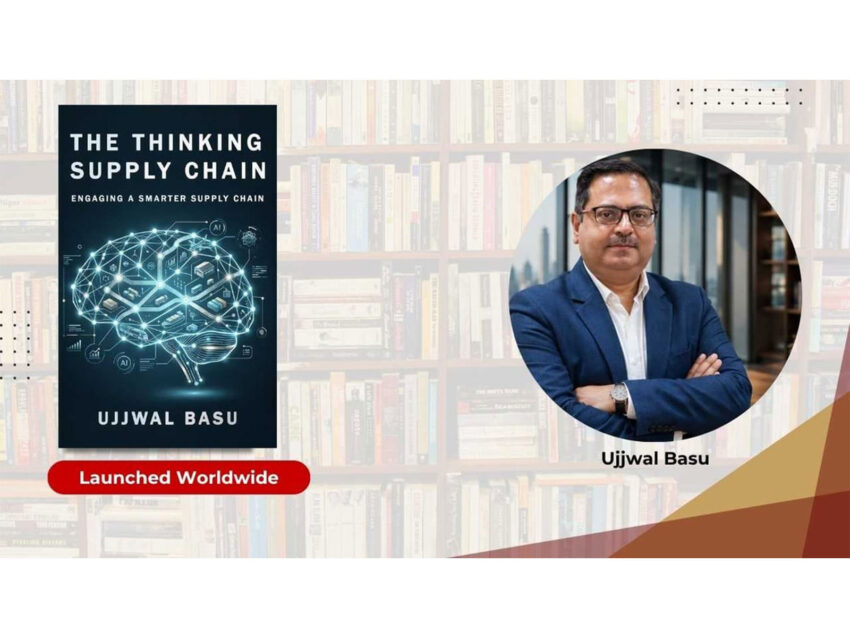
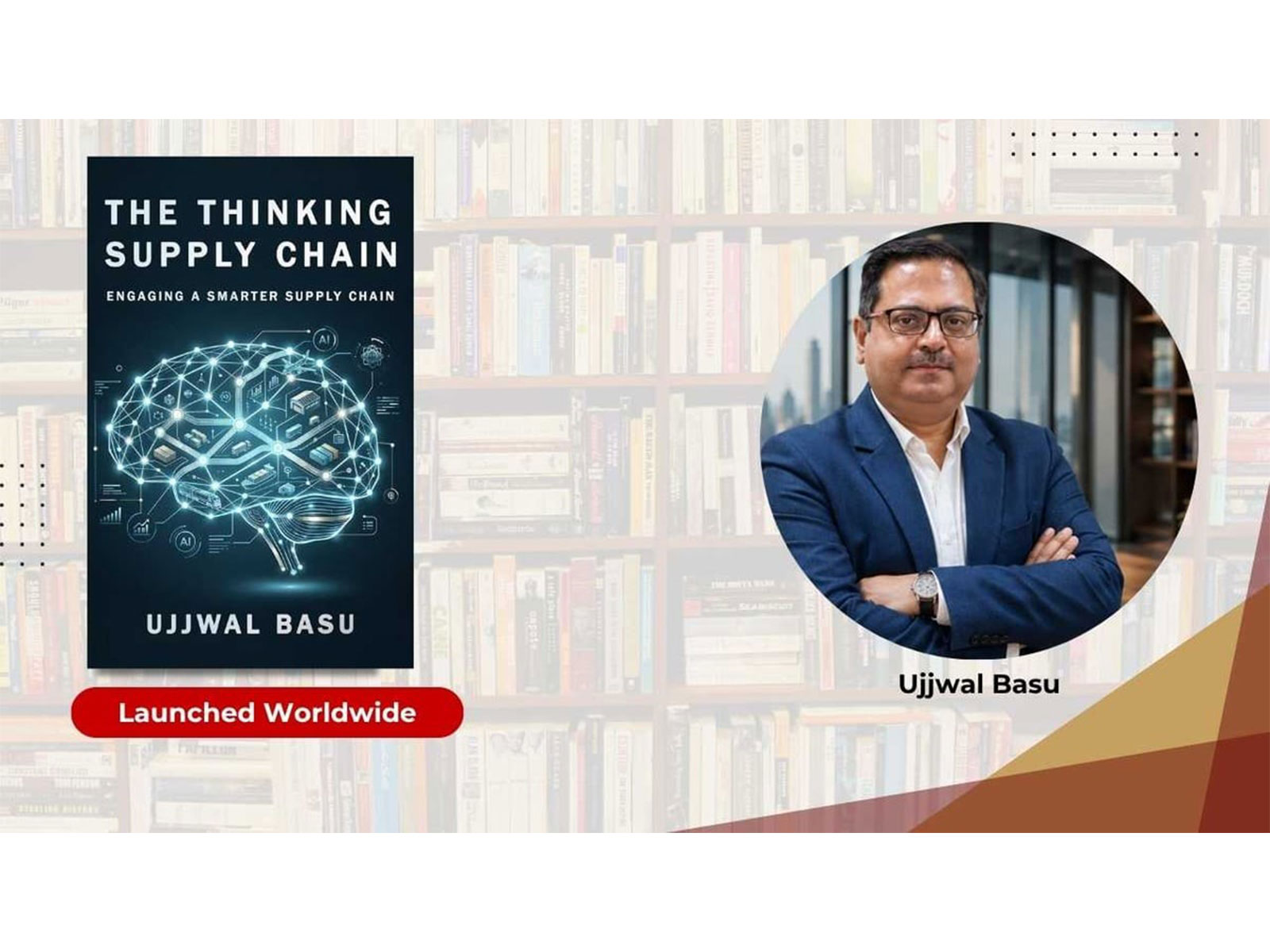
New Delhi [India], October 21: As businesses navigate an increasingly complex and competitive global environment, Artificial Intelligence (AI) is emerging as a significant force in reshaping how organizations plan, operate, and make decisions. However, despite growing recognition of its potential, many supply chain professionals continue to face challenges in understanding how AI can be applied effectively to real-world business operations. Addressing this gap is The Thinking Supply Chain by Ujjwal Basu, a book that offers a practical and structured perspective on integrating AI into supply chain management.
Drawing upon more than two decades of professional experience in global supply chain operations, Basu explores how organizations can move beyond the theoretical discussion surrounding AI and focus on its tangible business applications. The book is designed to help supply chain leaders, business professionals, and decision-makers understand where AI can create value, how relevant opportunities can be identified, and what considerations should guide its adoption.
The growing importance of digital transformation has placed supply chains at the centre of organizational strategy. Businesses are increasingly expected to improve operational efficiency, respond quickly to changing market conditions, strengthen resilience, and make informed decisions using data. Traditional approaches, while still valuable, may not always be sufficient to address the speed and complexity of modern supply chain environments. AI offers opportunities to enhance these processes, particularly in areas such as forecasting, inventory management, procurement, logistics, production planning, and end-to-end operational visibility.
Yet the adoption of AI is often complicated by two contrasting perceptions. Some professionals view it as a highly technical discipline that can only be understood and implemented by specialists. Others expect AI to function as an autonomous solution capable of delivering results with minimal human involvement. Both assumptions can create barriers to meaningful implementation. While technical expertise remains important, effective adoption also requires business leaders to understand the problems they want to solve, the value they expect to generate, and the role of human judgement in interpreting and applying technological insights.
The Thinking Supply Chain seeks to address these concerns by placing strategic clarity ahead of technical complexity. Rather than approaching AI solely from a technological perspective, the book contextualizes it within the practical realities of supply chain management. Its focus is on helping professionals understand the relationship between business requirements and technological capabilities, enabling them to assess potential applications with greater confidence.
An important aspect of this approach is the emphasis on identifying high-impact use cases. AI adoption is not simply a matter of introducing new tools or following emerging technology trends. Organizations must determine where these capabilities can address existing challenges, improve decision-making, and contribute to measurable operational outcomes. By encouraging a structured assessment of AI opportunities, the book highlights the importance of aligning technological investments with business objectives.
The discussion also carries relevance for organizations seeking to build more agile and resilient supply chain ecosystems. From improving the quality of forecasts to supporting more informed inventory decisions, AI can help professionals process information and identify patterns that may be difficult to recognize through conventional methods alone. When integrated thoughtfully into existing processes, these capabilities can support more responsive planning and better coordination across supply chain functions. However, realizing such benefits requires suitable data, clearly defined objectives, appropriate implementation strategies, and continued human oversight.
The book’s practical orientation is reinforced by Basu’s extensive professional background. Over a 24-year career, he has gained experience across the Indian subcontinent, Asia Pacific, the Middle East, and United States territories. His work has involved leading complex supply chain initiatives, including greenfield and brownfield projects, while driving operational improvements across procurement, logistics, inventory management, and production planning for multinational organizations.
This experience provides a valuable foundation for examining the challenges businesses encounter when transforming their supply chain operations. Having worked across diverse markets and operational environments, Basu brings an understanding of the strategic and practical considerations involved in improving efficiency, managing complexity, and building capabilities that can support sustainable business performance.
In the past five years, his work in consulting and corporate training has further strengthened his focus on translating complex business and technological concepts into practical knowledge. Through his engagement with leaders and professionals across industries, he has observed a recurring need for greater clarity around AI, particularly its applications within supply chain functions. This experience has informed the book’s central objective: to help professionals move from general awareness of AI towards a more confident and value-driven approach to its implementation.
Beyond its relevance to supply chain specialists, The Thinking Supply Chain addresses a broader management question: how can organizations adopt emerging technologies without losing sight of the business problems they are intended to solve? As companies continue to invest in digital transformation, the ability to distinguish meaningful opportunities from technology-driven expectations is becoming increasingly important. Leaders must evaluate not only what AI can do, but also where it is appropriate, how it should be integrated into existing workflows, and what capabilities their teams need to use it effectively.
By connecting AI with operational priorities, the book encourages a more deliberate approach to technological change. It underscores the importance of informed decision-making, practical implementation, and alignment between technology and organizational goals. This perspective is particularly relevant for professionals responsible for translating digital transformation strategies into improvements across complex supply chain networks.
With The Thinking Supply Chain , Ujjwal Basu contributes to the ongoing conversation about the future of supply chain management and the role of intelligent technologies in shaping it. The book presents AI not as an end in itself, but as a potential enabler of better decisions, stronger operations, and sustained competitive advantage.
As supply chains continue to evolve, the challenge for organizations will be to combine technological capabilities with sound business judgement. Through its pragmatic focus and industry-oriented perspective, The Thinking Supply Chain seeks to equip professionals with the understanding needed to approach this transition with clarity, confidence, and purpose.
Order Now On: https://amzn.in/d/02TRoGET
(ADVERTORIAL DISCLAIMER: The above press release has been provided by VMPL. ANI will not be responsible in any way for the content of the same.)