

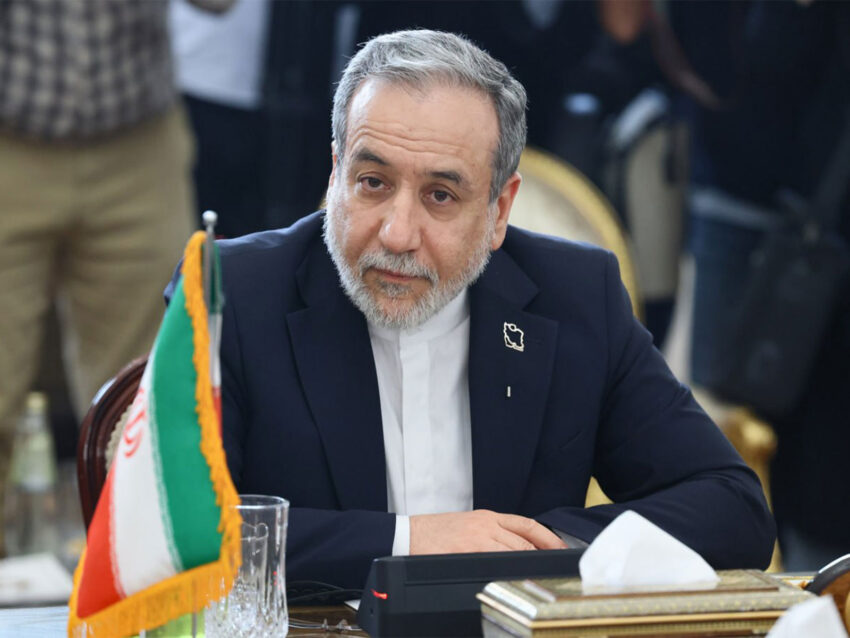
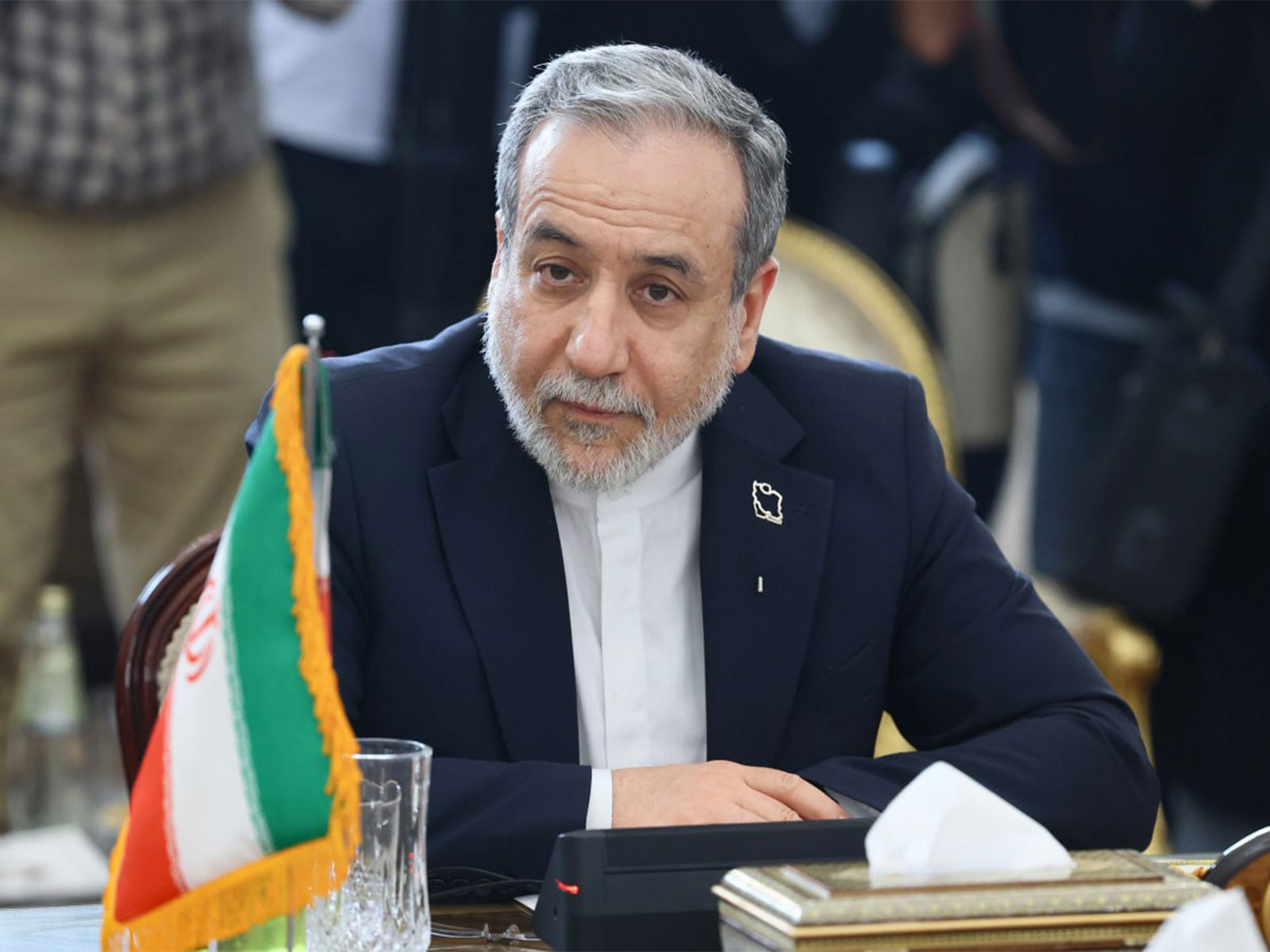
Tehran [Iran], October 21 (ANI): Iranian Foreign Minister Abbas Araghchi has declared that Washington’s long-standing dispute over Tehran’s nuclear program is merely an “excuse”, asserting that the Islamic Republic honoured the conditions of the previous international agreements, only to watch the US “abandon” it unreasonably.
In an interview with Iraq’s Al-Ikhbariya network, Araghchi stated that Washington’s ultimate opposition lies in Iran’s refusal to accept American hegemony in the Middle East.
“The nuclear issue is an excuse; what the Americans oppose and do not accept is Iranian ideology. They completely reject the Iranian perspective, which emphasises confronting American dominance and not surrendering to its power. This is the same thinking that has led to the formation and emergence of the resistance in our region,” Araghchi said, according to the remarks carried by IRIB.
Addressing Washington’s history of diplomatic compliance, Araghchi pointed out that Tehran had previously fulfilled international agreements, only for the United States to unilaterally walk away without justification.
“We reached an agreement with the world on the nuclear issue and the whole world welcomed that agreement; but the American side withdrew from it without providing any evidence and abandoned the agreement,” Araghchi remarked. “The same thing happened again in Islamabad.”
Despite ongoing diplomatic friction and military posturing, Araghchi emphasised that Washington understands the severe costs of initiating a direct military conflict, citing Iran’s defence preparation as the primary deterrent against American aggression.
“Americans know very well that they cannot achieve any of their goals through war,” Araghchi warned. “In my opinion, the main deterrent against the US starting a new war is precisely this complete readiness of Iran.”
Earlier on Saturday (local time), US President Donald Trump expressed confidence that the ongoing war with Iran would end “very quickly”, reasserting that Iran will never have nuclear weapons.
Addressing a crowd of supporters during a campaign rally in Kentucky, Trump linked the outcome of the Middle East conflict directly to domestic gas prices, promising that fuel costs would plummet once operations conclude.
“It’s going to end very quickly. When it ends, your gas prices are going to be lower than what they were before,” Trump said.
During his speech, the President revisited previous military strikes against Iranian targets, framing the operations as a necessary preemptive action to neutralise Tehran’s nuclear ambitions.
Trump defended the decisions made during what he described as an “excursion,” asserting that the strikes successfully crippled Iran’s nuclear development capabilities.
“You know, when I did the little excursion to the Islamic, the beautiful Islamic Republic of Iran, we beat the shit out of them. But when I did that excursion, we knocked out their nuclear capacity,” Trump told the rally.
Addressing lingering debates over the strategic cost of the strikes, Trump insisted that preventing a nuclear-armed Iran was the paramount priority for national security.
“Somebody said, ‘Oh, well, was it worth it?’ I said, ‘They cannot have a nuclear weapon; they can’t, because they’ll use it,'” Trump added.
Meanwhile, Iran’s Deputy Foreign Minister Saeed Khatibzadeh stressed that ending hostilities across all fronts was essential to achieving lasting peace in the region, warning that continued fighting in any area would prolong the wider conflict.
Iran stood prepared to respond to questions raised by the International Atomic Energy Agency and the United States concerning its peaceful nuclear programme, he stated, referring to more than 15 IAEA reports that verified Iranian compliance.
The developments come amid heightened tensions between Tehran and Washington over the implementation of the 14-point Memorandum of Understanding (MoU) signed in June, which was aimed at ending the hostilities between the two sides and opening the pathway for further negotiations, particularly on Iran’s nuclear programme.
Its collapse renewed the conflict in West Asia, with the US striking Iranian military and civilian assets, and the Islamic Republic also targeting American bases across the Gulf in retaliatory strikes. (ANI)