

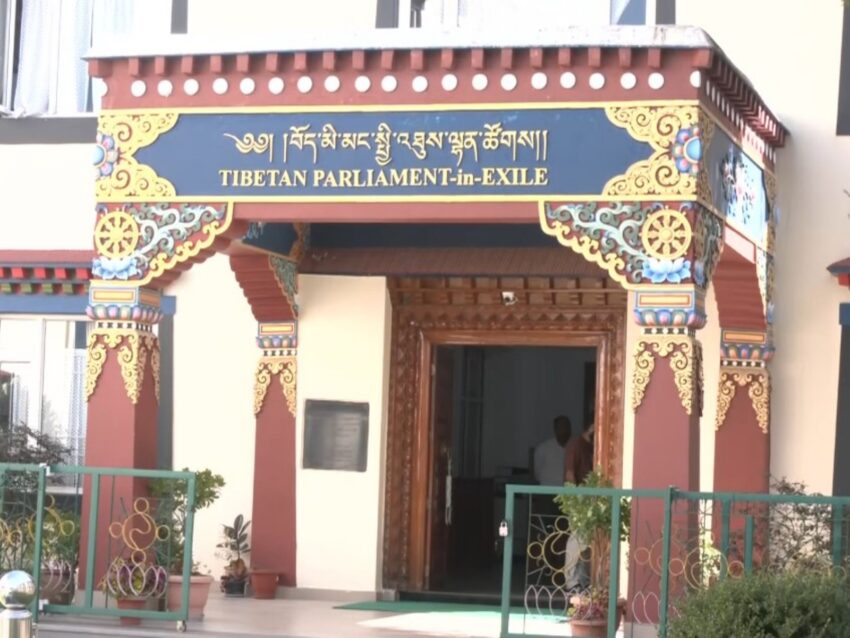
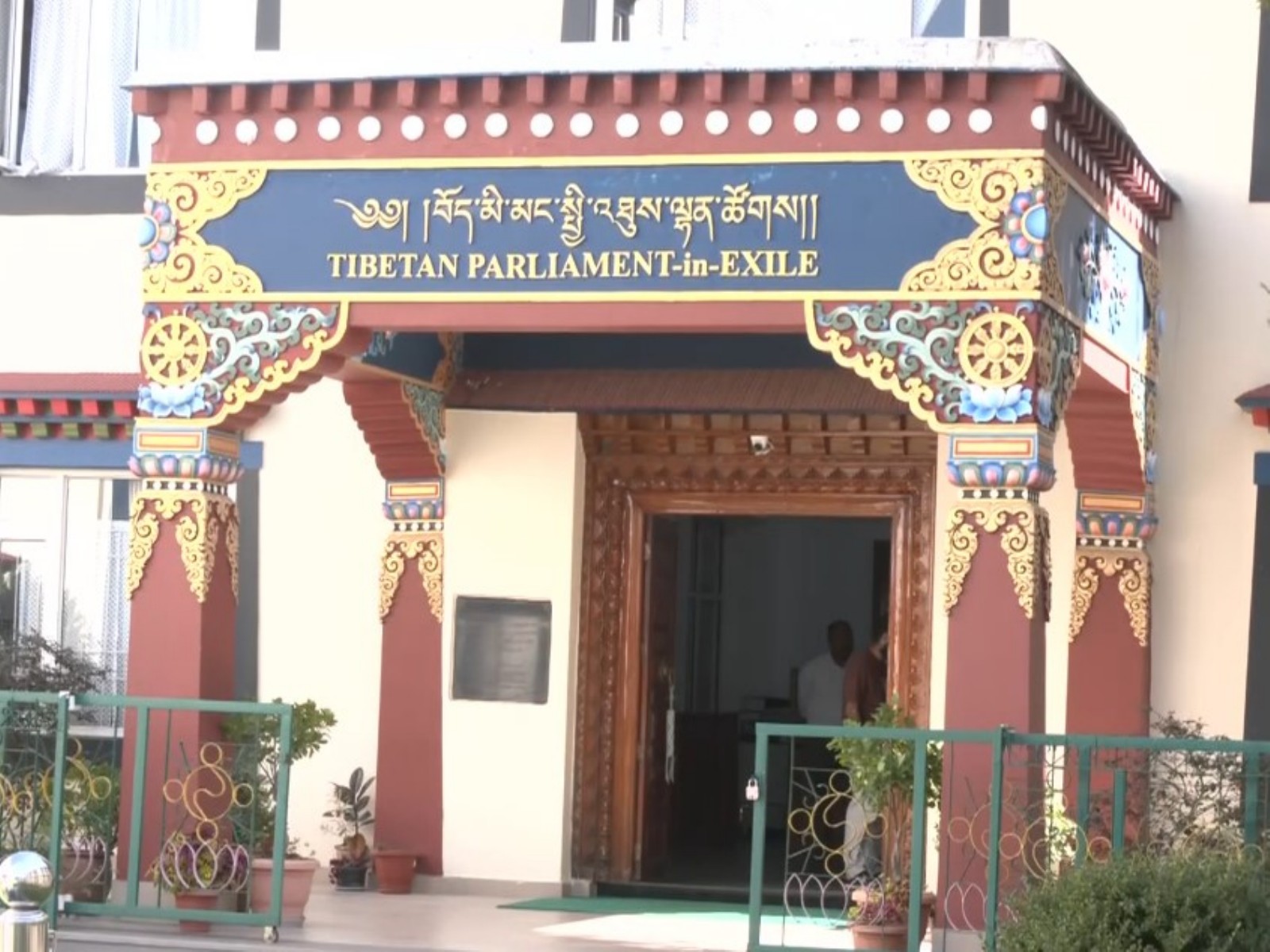
Dharamshala (Himachal Pradesh) [India], October 2 (ANI): On the 77th founding anniversary of the People’s Republic of China, Tibetan leaders on Thursday called on the Chinese leadership to respect the aspirations, cultural identity and way of life of Tibetans and other non-Han nationalities.
Speaker of the Tibetan Parliament-in-Exile Dolma Tsering Teykhang said China’s emphasis on unity, harmony and development should be accompanied by respect for diversity, freedom and the cultural rights of non-Han communities.
“Unity without diversity is assimilation, and progress without freedom or having any say is not freedom. Harmony without freedom is not harmony,” Teykhang said.
She said Tibetans were not seeking animosity or confrontation with China, but wanted space to preserve their identity, religion, culture and way of life.
“Our way of life, our religion and our culture are deeply rooted in the Nalanda tradition of compassion, non-violence and coexistence,” she said, urging the Chinese leadership to respect Tibetan Buddhism and allow Tibetan children to learn about their own cultural heritage.
Referring to the recently adopted Ethnic Unity and Progress Law, Teykhang said Tibetans were voicing their opposition to what she described as an attempt to erase the identity of non-Han nationalities.
She also urged the international community to support Tibetans, Uyghurs and Mongols and raise their concerns at the United Nations.
Tenzin Lekshay, spokesperson for the Central Tibetan Administration, said that merely holding grand celebrations on China’s National Day was not enough and that Chinese leaders should recognise the aspirations of different nationalities, including Tibetans, who he said are being oppressed.
“The most important thing that they should do on this National Day is to realise that there are lots of aspirations from different nationalities who are being oppressed by the Chinese government, and their aspirations have to be fulfilled,” Lekshay said.
Lekshay also referred to China’s new ethnic-related legislation, alleging that it could lead to the assimilation of Tibetan identity and affect other nationalities, including Uyghurs.
He said Tibetans and other affected communities would continue to voice their grievances and called for pressure on the Chinese leadership regarding the implementation of the new law.
The remarks came as China observed the 77th anniversary of the founding of the People’s Republic of China, established on October 1, 1949. (ANI)