

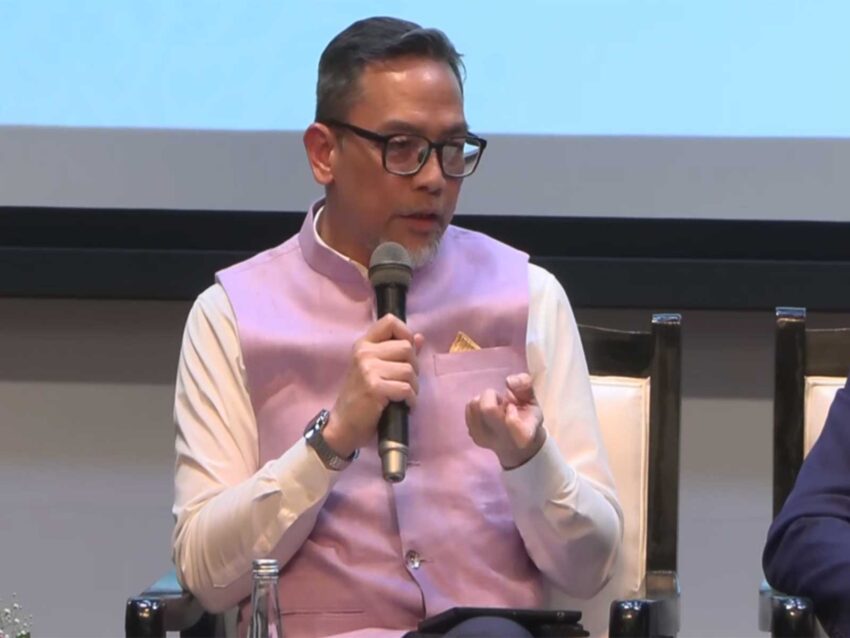
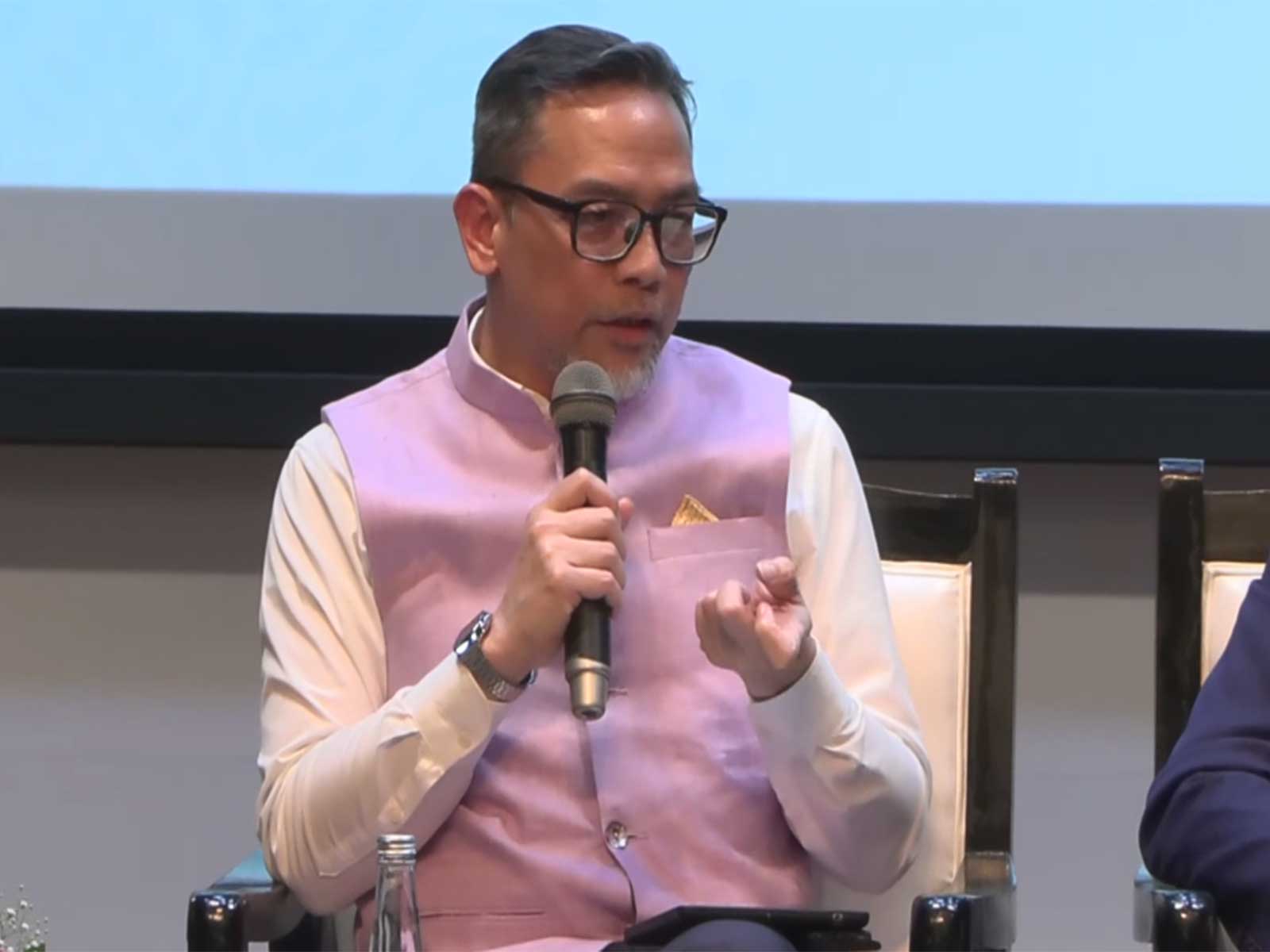
New Delhi [India], September 16 (ANI): Philippines Ambassador to India Josel F Ignacio, at the 25th anniversary celebrations of the Indian Council of World Affairs (ICWA), said that India and the Philippines have witnessed a significant intensification of ties over the past decade, with the relationship elevated to a strategic partnership last year.
Addressing the valedictory session of the Silver Jubilee celebration of the Indian Council of World Affairs (ICWA) on Tuesday, Ignacio said, “Our relationship formally, diplomatically, is 77 years old… It was really about 10 years ago that the visible intensification happened… Last year, during the state visit of my president, Prime Minister Modi and my president elevated the relationship to a strategic partnership.”
He said the Philippines now sees India as a partner of “great mutual and strategic trust”, particularly amid evolving foreign policy and security challenges.
“Part of the impetus is also the harder foreign policy issues and questions. So for the Philippines, we see now India as a partner of great mutual and strategic trust… We see a clear alignment of interests, especially for the Philippines, in the maritime space… We see India as a responsible player, a preferred security partner and a first responder, ” Ignacio said.
Highlighting India’s assistance to Filipino seafarers, he said, “We felt this firsthand when India came to the rescue of Filipino seafarers in the broader Indian Ocean amidst the uncertainties of the past two years.”
The Philippines envoy also highlighted India’s role as a source of knowledge and a model for ASEAN countries.
“For ASEAN, and certainly for the Philippines, India is also a model, a source of knowledge… We see India as a valued partner,” he said.
Speaking at the same event, Chilean Ambassador to India Juan Rolando Angulo Monsalve said India is perceived in Latin America as a friendly country with considerable soft power and highlighted the growing scope for India-Latin America engagement.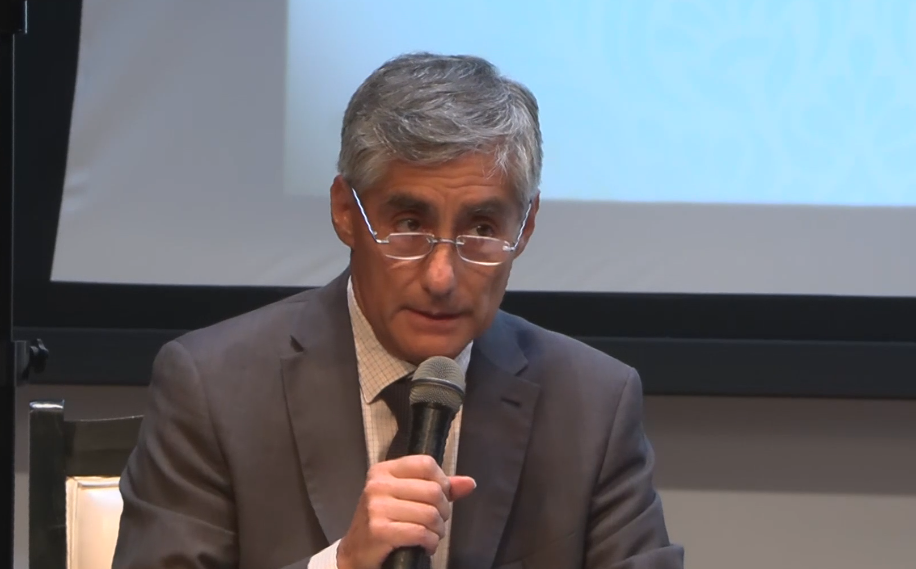
“India is perceived as a friendly country with a lot of soft power. It’s perceived as a non-aggressive country. There is no history of India going outside its borders… India is also a democracy. It’s the biggest democracy in the world,” Monsalve said.
He pointed to cultural and social affinities between India and Latin American societies, including the importance of family and spirituality.
“India also has, when I mention soft power, things that are very appealing to Latin American societies, which share a lot of common approaches in society. For instance, the importance of the family. The spirituality that India has is also something that is well perceived from our side of the world. There is a very good vision about India and the progress of India,” he said.
Recalling his former president’s visit to India last year, Monsalve said, “My former president, when he came here last year, said very clearly that we need more of India in many parts of the world. A country with these values must be present on our side of the world.”
He also highlighted India’s strengths in technology and said Latin America is witnessing greater Indian engagement.
“We perceive India as very strong in very particular fields such as IT, pharma, space, satellites, and this kind of technology… We also perceive India as India rediscovering Latin America,” the Chilean envoy said.
Thanking External Affairs Minister S Jaishankar, he added, “I wanted to thank Minister Jaishankar because, under his guidance, we have seen the opening of Indian embassies in different countries of Latin America.”
In a post on X, Jaishankar, after delivering the valedictory address at the Silver Jubilee celebrations of ICWA, highlighted India’s expanding global capabilities, changing communication landscape and its engagement with the Global South.
“Pleased to deliver the valedictory address of Silver Jubilee Celebration of @ICWA_NewDelhi being designated as an Institution of National Importance,” Jaishankar said.
Pleased to deliver the valedictory address of Silver Jubilee Celebration of @ICWA_NewDelhi being designated as an Institution of National Importance.
Underscored contemporary trends shaping our diplomacy:
ADVERTISEMENT
➡️ 🇮🇳’s growing economy and capabilities in the last decade, and its… https://t.co/4WirxoGXG9 pic.twitter.com/82O6LSqR4C
— Dr. S. Jaishankar (@DrSJaishankar) September 15, 2026
He underscored “contemporary trends shaping” the diplomacy of the country, including India’s growing economy and capabilities over the last decade and their implications for global engagement, the changing global workforce, community initiatives, rapid response capabilities and mobility understandings.
He also highlighted “the changing nature of communications and narrative building in the era of AI”, India’s “strong bonds and solidarity with the Global South”, India’s approach to international issues reflecting its “personality as a civilisational state”, and its commitment to multipolarity, strategic autonomy and an independent foreign policy stance.
“India is destined to rise in a turbulent world, and the intellectual accompaniments of that process will be surely demanding,” Jaishankar said, expressing confidence that ICWA would continue to serve as “a natural congregation point for the think tank, academic and policy worlds, putting forth India’s view to the world.”
According to the official ICWA website, the council was established in 1943 by a group of Indian intellectuals as a think tank and was registered as a non-official, non-political and non-profit organisation under the Registration of Societies Act, 1860. It was declared an institution of national importance by an Act of Parliament in 2001. The Vice President of India is the ex-officio President of ICWA. (ANI)