

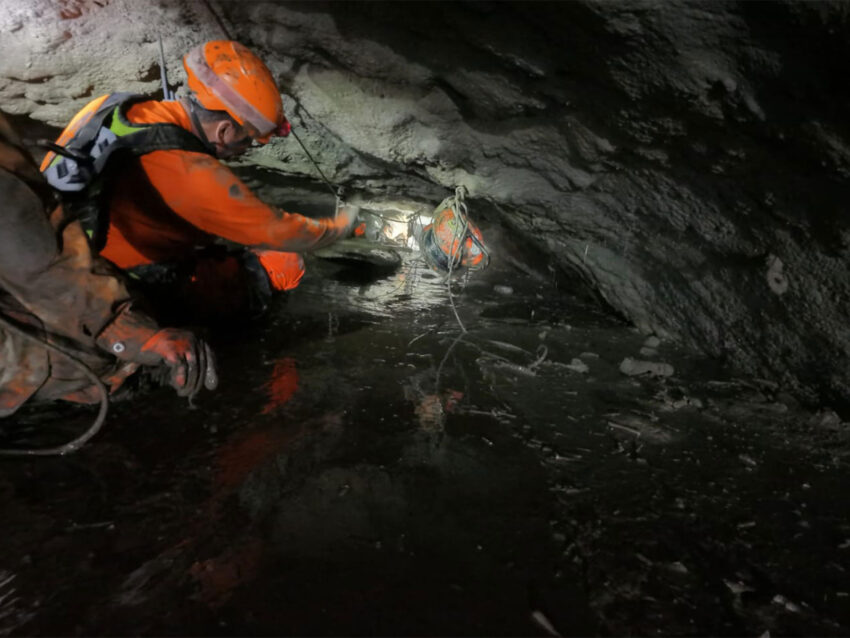
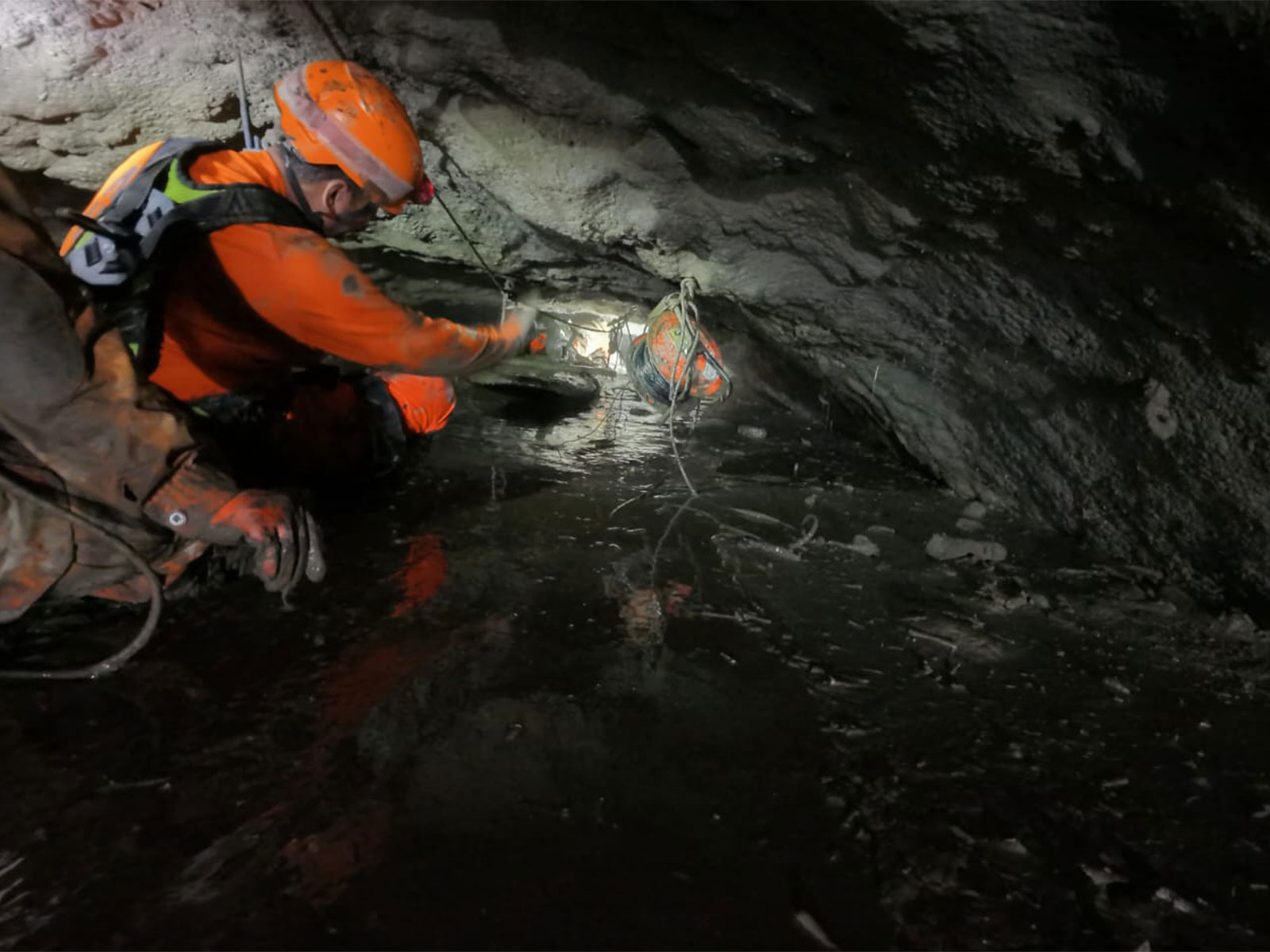
Kathmandu [Nepal], September 5 (ANI): India and Nepal rescue teams are continuing a rescue mission at the Chilime tunnel, removing heavy debris, water and mud from inside the tunnel, Ambassador of India to Nepal Naveen Srivastava said on Saturday.
In a post on X, Srivastava said, “The India & Nepal rescue team continue to remove heavy debris, water & mud, which in the interior has reached close to the roof of the Chilime tunnel.”
🇮🇳 & 🇳🇵rescue team continue to remove heavy debris, water & mud , which in the interior has reached close to the roof of the Chilime tunnel. This would allow heavy machinery to be taken deep in the tunnel. In parallel work is also underway to make access road from nearby… pic.twitter.com/PtSQHrgiHA
— Naveen Srivastava, Ambassador of India in Nepal (@navsri6619) September 5, 2026
ADVERTISEMENT

He said work was also underway to construct an access road from nearby Syafrubesi to the tunnel portal to facilitate the rescue operation. He further elaborated that, given the “difficult terrain” and “narrow valley”, heavy helicopter usage is not possible.
“This would allow heavy machinery to be taken deep in the tunnel. In parallel work is also underway to make access road from nearby Syafrubesi to tunnel portal. Given the difficult terrain & narrow valley heavy helicopter usage is not possible. Access road would allow an excavator to be brought to the site and assist rescue operations,” Srivastava said.
India continues to assist Nepal in the HADR operations in the country.
Separately, a Bailey bridge is being built in Devighat to restore connectivity affected by the August 26 floods. 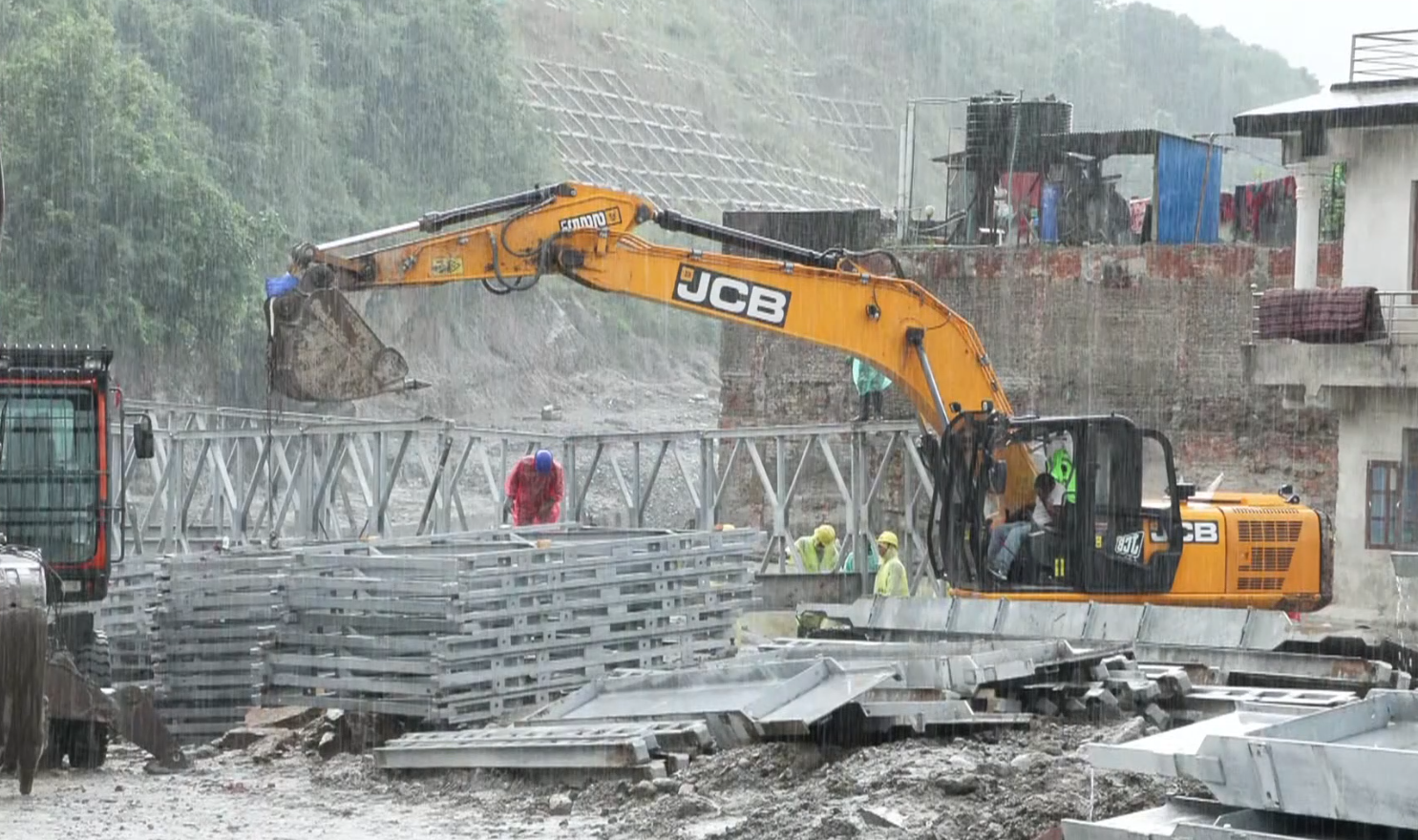
The developments come in the follow-up of an earlier post which showed the major push to advance operations at Nepal’s Chilime tunnel; the Indian tunnel rescue team worked in close coordination with the Nepal Army to drain accumulated water and dig deeper into the shaft, following severe flooding and landslides that swept through Rasuwa district in Nepal.
The joint effort underscored active cross-border disaster response and technical collaboration between Indian specialists and Nepalese defence forces.
Sharing the details in the earlier post on X, Naveen Srivastava highlighted India’s commitment to supporting Nepal through both technical expertise on-site and humanitarian aid for surrounding communities.
On Saturday, a Chinese national was rescued alive from flood-hit Rasuwa and brought to Kathmandu, while a 64-year-old Chandrika Shrestha was rescued from Betrawati Bazaar in Nuwakot, on the 11th day since the Bhotekoshi River in Rasuwa was severely flooded, according to the Nepal Army and the Nepal Prime Minister’s Office.
The Chinese national and the Nepali woman, rescued from flood-affected areas, were airlifted to the hospital to receive treatment.
The rescue of the two individuals on Saturday comes after two people were rescued alive from a tunnel at the Trishuli 3A hydropower project on Friday.
Citing Shri Ram Neupane, a lawmaker from the Rastriya Swatantra Party, the Kathmandu Post reported that the two men were identified as Sanjay Sah, a mechanical foreman, and Kabir Maharjan, a mechanical supervisor.
Amid catastrophic flash floods that have claimed at least 1,344 lives, the Nepalese Army and international teams are mounting massive Humanitarian Assistance and Disaster Relief (HADR) operations to reach isolated communities in the Himalayan nation.
In Nuwakot district, military engineering units are constructing a rope bridge over the swollen Tadi River to restore ground connectivity to areas cut off from the national road network. Concurrently, air operations are working around the clock under hazardous conditions to deliver aid and rescue stranded residents.
In another post on X, the Nepalese Army, operating alongside other agencies, informed that it has deployed approximately 20 helicopters to lead search, rescue, and relief distribution efforts across the severely impacted Nuwakot and Rasuwa districts.
Despite adverse weather, mountain terrain, and a scarcity of usable helipads due to flood damage, aircrews are continuously executing drops and evacuations. Visuals released by military officials highlight the high-stakes airborne missions navigating tight valleys to reach displaced families. (ANI)