

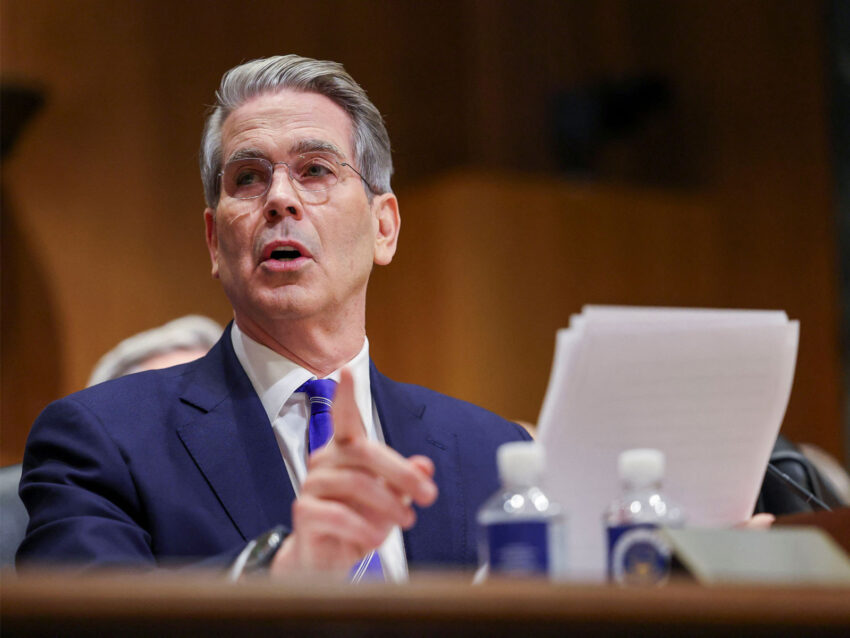
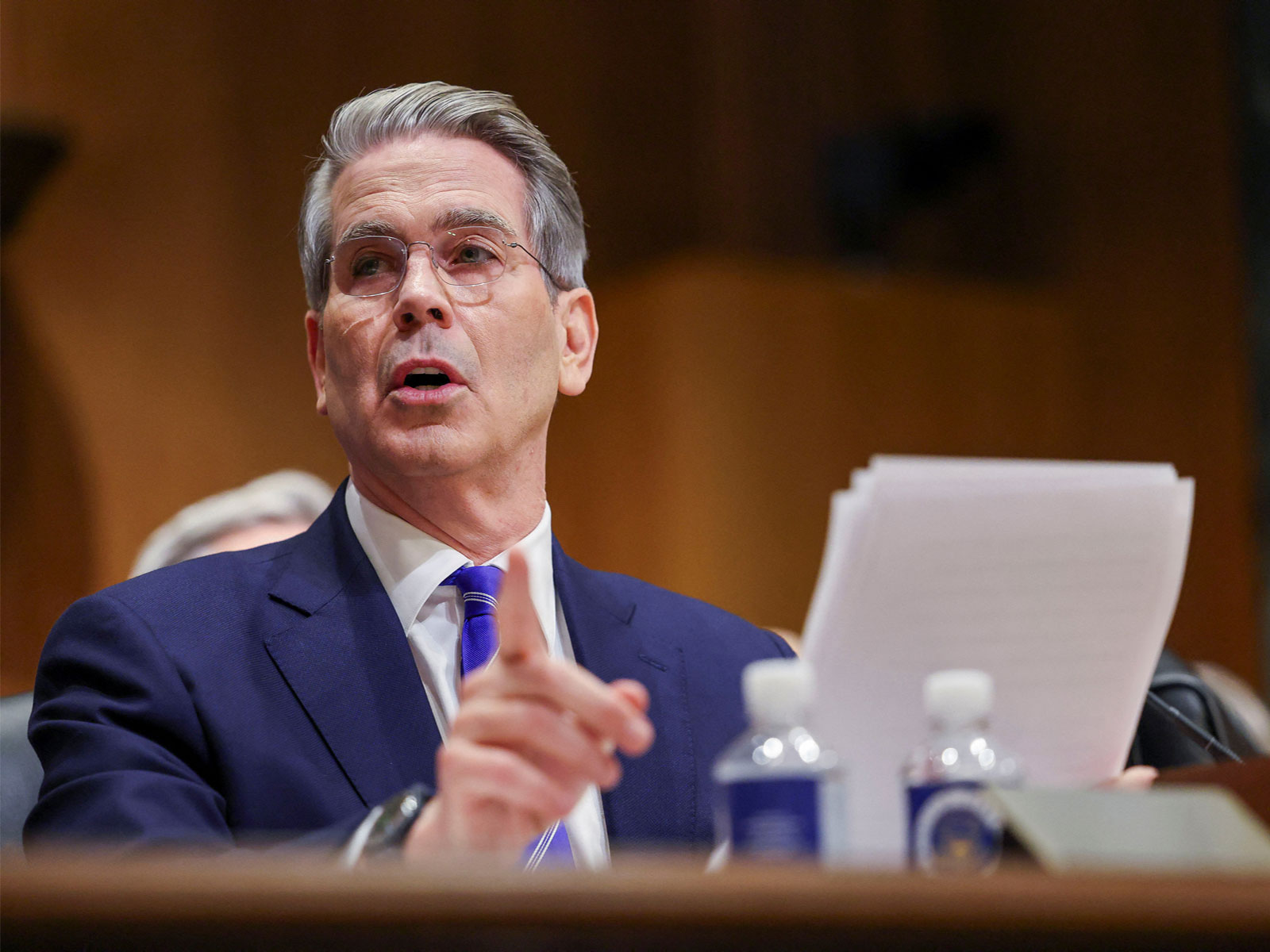
Washington DC [US], July 31 (ANI): US Treasury Secretary Scott Bessent and US Trade Representative Jamieson Greer held high-level virtual talks with Chinese Vice Premier He Lifeng, as Washington and Beijing stepped up preparations for the planned visit of Chinese President Xi Jinping to the United States in September.
According to news outlet Axios, the video conference was aimed at laying the groundwork for the expected summit between Xi and US President Donald Trump, with US officials urging Beijing to fulfil its existing economic commitments ahead of the meeting.
Following the discussions, Bessent said the United States had pressed China to honour its commitments on rare earth exports and agricultural trade.
In a post on X, Bessent said, “In our discussion, I emphasised that we expect Beijing to fully meet its commitments on rare earths and U.S. agricultural products.”
https://x.com/SecScottBessent/status/2082897984425955774?s=20
He added that both sides had also discussed creating institutional mechanisms to improve economic ties.
“We also discussed implementation of the Trade and Investment Boards as a mechanism to secure concrete progress towards a more balanced, fair, and constructive U.S.-China economic relationship,” Bessent said.
According to Chinese state news agency Xinhua, the discussions were “candid, in-depth, and constructive”.
The talks build on understandings reached during a bilateral meeting between Trump and Xi in Beijing in May, where China agreed to address US concerns over supply chain shortages involving rare earths and other critical minerals.
According to details released by the White House, Beijing also committed to purchasing at least USD 17 billion worth of US agricultural products through 2028.
The latest engagement comes as concerns over the global supply of critical minerals continue to grow.
According to the International Energy Agency’s (IEA) Global Critical Minerals Outlook 2026, global supply chains for critical minerals are facing increasing economic security risks due to export restrictions, price volatility and the concentration of production in a handful of countries.
The report stated, “In April 2025, the Chinese government introduced major export controls on seven heavy rare earth elements, with significant impacts across downstream industries, forcing some automakers to reduce utilisation rates or temporarily halt operations.”
It added that China expanded the restrictions in October 2025 to cover products manufactured outside the country that contain Chinese rare earths or are produced using Chinese technologies. Although the measures were suspended until November 2026, the IEA warned that the underlying risks remain.
“Their full implementation could put an estimated USD 6.5 trillion per year of downstream production outside China at risk across the automotive, high-tech, defence and energy sectors,” the report stated.
The report also noted that prices of critical minerals recovered sharply during 2025 and early 2026 after an earlier decline.
Prices of base metals such as copper, aluminium and tin increased by around one-third between January 2025 and April 2026, while lithium prices more than doubled due to strong demand from the energy storage sector. Prices of strategic minor minerals also surged, led by a sixfold increase in tungsten prices amid rising demand from high-technology and defence industries.
The IEA said the world’s leading refining nations, led by China for key energy minerals and Indonesia for nickel, accounted for more than 75 per cent of the increase in refined supply over the past two years. Excluding rare earths, the largest refining country accounted for an average market share of 72 per cent in 2025.
The report also noted that global investment in critical minerals declined by 9 per cent in 2025, with capital expenditure on battery metals falling by more than 20 per cent.
“As critical minerals generally represent a small share of final product costs, much of the additional cost of diversification could be absorbed with limited impact on consumers, although some intermediate sectors may face greater cost pressures and require targeted support,” the report said.
It further noted that while mining projects are expanding outside dominant supplier regions, investment in refining and downstream processing continues to lag behind.
To reduce supply risks, the IEA recommended strategic stockpiling as an effective short-term measure.
For the 11 high-risk materials assessed, the report estimated that the annual net cost of maintaining strategic stockpiles for countries outside the dominant supplier would be less than USD 900 million. (ANI)