

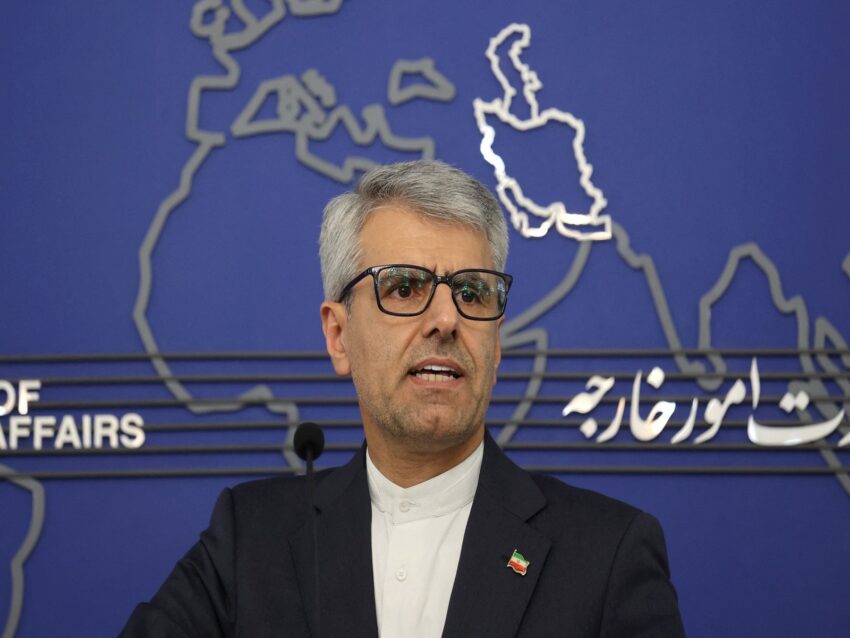
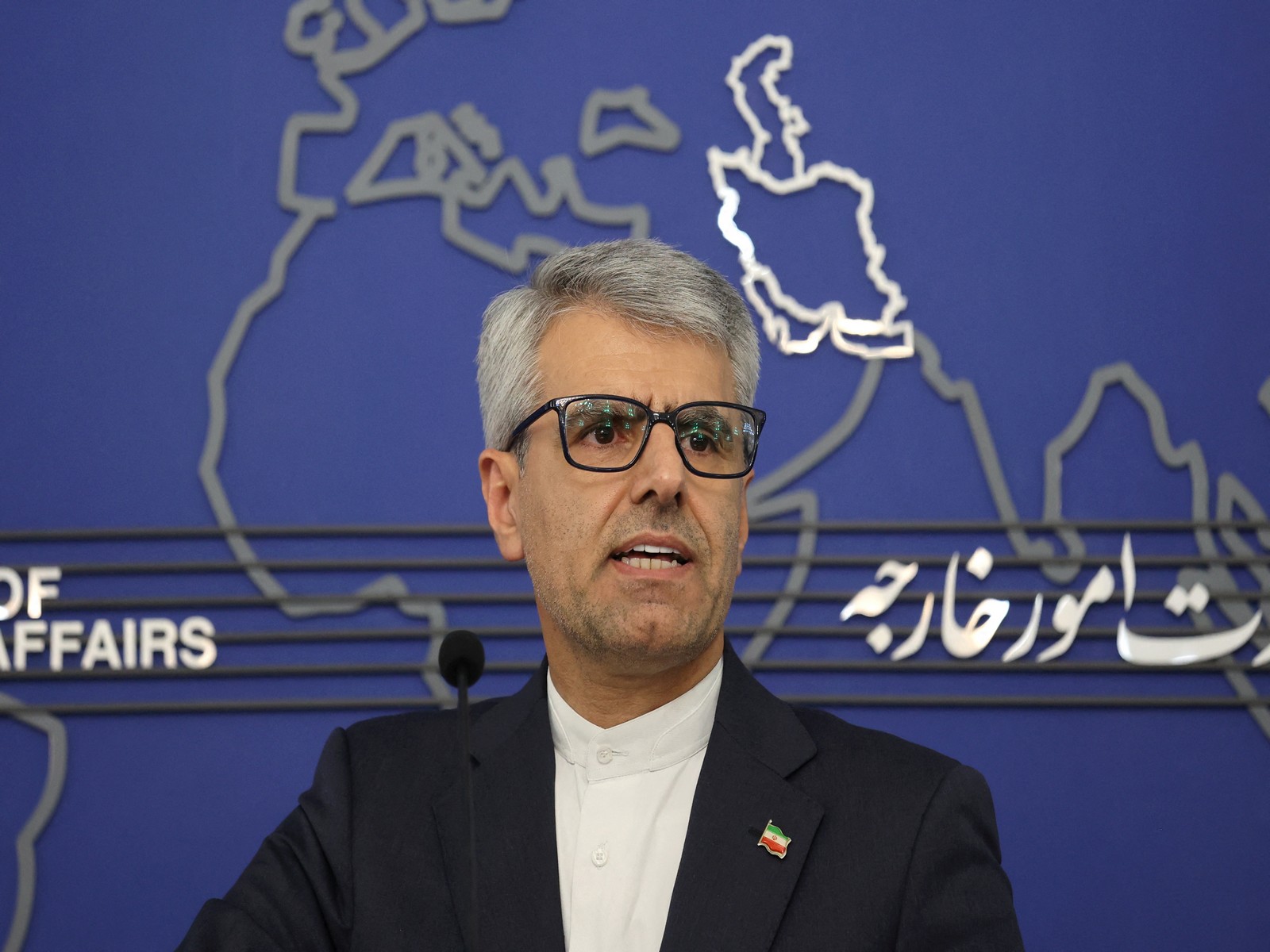
Tehran [Iran], July 16 (ANI): Iranian Foreign Ministry spokesperson Esmail Baghaei on Thursday drew attention to what he characterised as a “revealing” trend in recent United Nations General Assembly (UNGA) voting records, noting a recurring alignment between the United States, Israel, and Argentina.
In a post on X, Baghaei highlighted a series of UNGA resolutions where these three nations stood as the only countries to vote in opposition to the majority.
The resolutions he cited include the ninth review of the Global Counter-Terrorism Strategy adopted on July 1, 2026, a March 25, 2026, resolution recognising the transatlantic slave trade as the “gravest crime against humanity”, as well as earlier measures regarding human rights and human trafficking adopted in December 2025.
By emphasising that these nations were the sole dissenting voices in each of these instances, Baghaei suggested that such voting patterns offer significant insight into the geopolitical priorities of the countries involved.
“Just a hint at what is what and who is who: UNGA resolution on Global Counter-TERRORISM Strategy was adopted by overwhelming majority on 1 July 2026. Only 3 voted against: Israel, US, Argentina. UNGA resolution on declaring the transatlantic SLAVE TRADE as a CRIME AGAINST HUMANITY was adopted on 25 March 2026. Only 3 voted against: Israel, US, Argentina. UNGA resolution on countering TRAFFICKING IN PERSONS was adopted on 18 December 2025. Only 3 voted against: Israel, US, Argentina. UNGA resolution on TERRORISM AND HUMAN RIGHTS was adopted on 18 December 2025. Only 3 voted against: Israel, US, Argentina. Aren’t they revealing?,” he wrote in the post.
Just a hint at what is what and who is who:
UNGA resolution on Global Counter-TERRORISM Strategy was adopted by overwhelming majority on 1 July 2026.
Only 3 voted against:
Israel, US, Argentina.ADVERTISEMENT
UNGA resolution on declaring the transatlantic SLAVE TRADE as a CRIME AGAINST…
— Esmaeil Baqaei (@IRIMFA_SPOX) July 16, 2026

The resolutions mentioned were passed by an overwhelming majority, though the consistent isolation of the three states in these tallies has become a focal point of criticism from Tehran, which characterised the diplomatic choices of the US, Israel, and Argentina as being at odds with the broader international consensus.
Notably, the resolution on the ninth review of the Global Counter-Terrorism Strategy (July 1, 2026).was adopted with 140 votes in favour, 3 against (Argentina, Israel, and the United States), and 1 abstention (Japan).
According to the UN, “This resolution is not fit for purpose,” said the representative of the United States, whose delegation called for the vote. Regretting that the Assembly did not consider alternative texts her delegation put forward, she said the resolution is “bloated, outdated and lacks focus”.
It ignores her country’s red lines, she said, adding that the UN should avoid distracting narratives and references such as the “2030 Agenda; unnecessary references to gender; and divisive ‘diversity, equity, inclusion’-related programmes”.
Meanwhile, Israel voted against the text because it is outdated, long and repetitive, and does not embrace institutional modernisation, that country’s speaker said. The world has changed dramatically since the last review resolution, adopted in 2023, he said, adding that his country “suffered the deadliest terrorist attack in its history” a few months later.
Argentina’s delegate, noting his country’s long-time support for the Strategy, said it voted against the text to draw attention to the importance of reviewing the Strategy.
On the Transatlantic slave trade as the gravest crime against humanity (March 25, 2026), the resolution was adopted with 123 votes in favour, 3 against (Argentina, Israel, and the United States), and 52 abstentions.
According to the UN, prior to the vote Ambassador Dan Negrea of the United States said, “in addition to its obvious legal problems, this resolution is also unclear as to who the recipients of reparatory justice would be. The draughters and supporters of this resolution seem to believe it is them.”
Negrea said, “The United States strongly objects to the cynical usage of historical wrongs as a leverage point in an attempt to reallocate modern resources to people and nations who are distantly related to the historical victims.”
Further, the resolution regarding countering trafficking in persons (December 18, 2025) was adopted with 139 votes in favour, 3 against, and 38 abstentions.
On terrorism and human rights (December 18, 2025), the resolution was adopted with 177 votes in favour, 3 against, and 1 abstention.
Baghaei’s remarks come as a US projectile has hit near Iran’s Qeshm Island, Al Jazeera reported, citing Iranian media. (ANI)